What actually changed in the ranking?
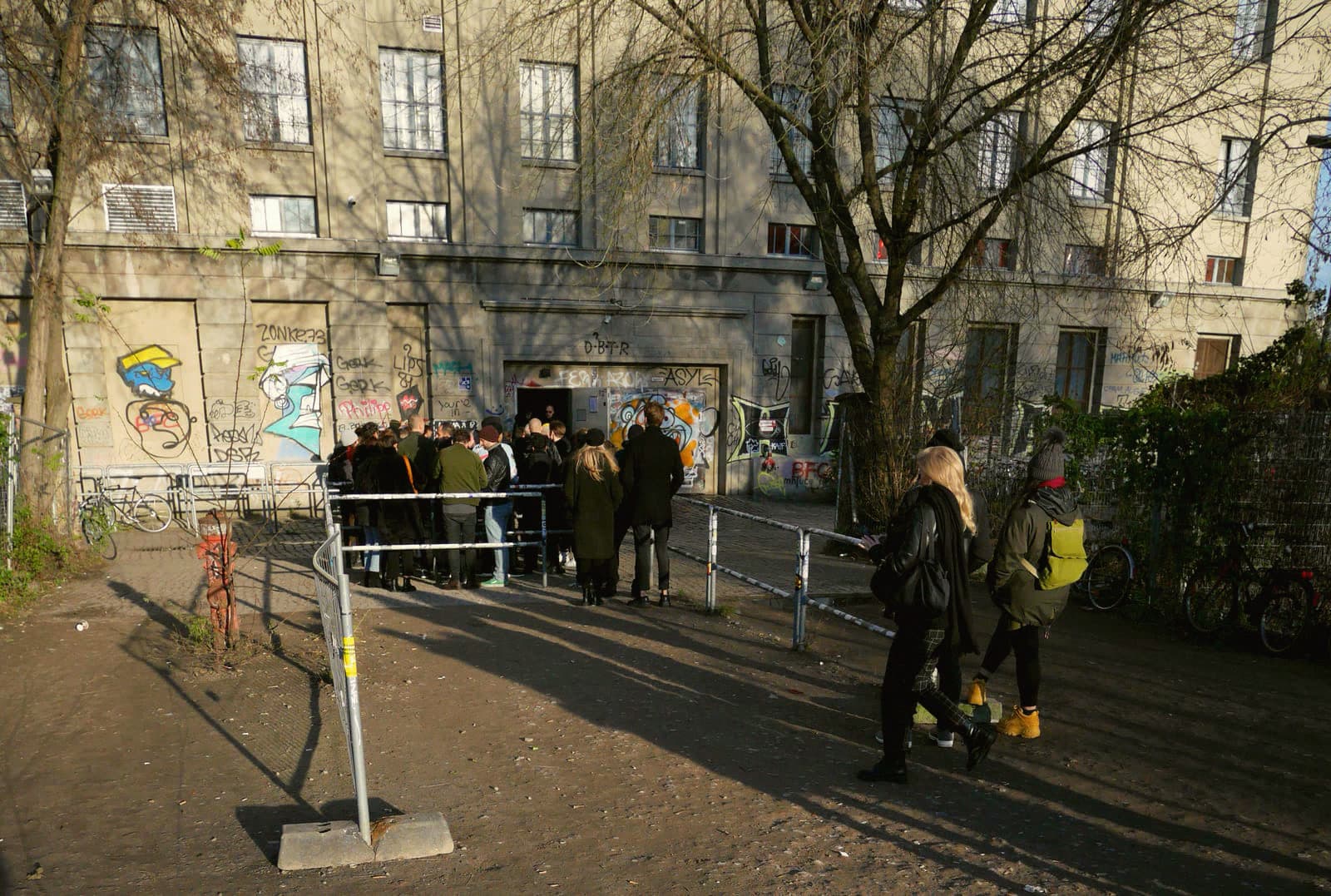
Berghain landed at 21st in DJ Mag's Top 100 Clubs 2026, published April 16, 2026, down five spots from 16th in 2025. That is not a one-year blip: the club topped the entire list in 2009, slid to 18th by 2013, clawed back to 6th in 2021, then started sliding again, 12th in 2022, 13th in 2024, 16th in 2025, and now 21st. It has never sat this low in the ranking's history. Berghain is also the only Berlin venue that made this year's cut, while Cologne's Bootshaus (11th) and newcomer Open Ground in Wuppertal (100th) now outrank every other German room in the world's most-read club poll.
Why does a reader poll matter more than it should?
DJ Mag's Top 100 is a public vote, and 2026's top of the table reads like a hyperclub showcase: [UNVRS], a purpose-built mega-venue that opened on Ibiza in 2025, took first place, with Brazil's Green Valley and two more Ibiza rooms filling out the podium. DJ Mag's own write-up put it plainly: long-running institutions "no longer drive this ranking," they "hold their position while others create the movement." A club built on a no-photo policy, a notoriously unpredictable door and zero lineup marketing was never going to out-campaign venues that push their base to vote year round. That mismatch is real, and it isn't the whole story: Berghain's ranking had been sliding well before Ibiza's hyperclub boom, and the timing lines up with something closer to home.
What's actually happening to Berlin's clubs right now?
Berlin has spent the past two years losing exactly the kind of independent rooms that made Berghain possible in the first place. SchwuZ, the city's oldest queer club, filed for bankruptcy in August 2025. Watergate and Mensch Meier have both shut for good. Busche Club is fighting to stay open. None of that shows up as a line item in DJ Mag's table, but it's the backdrop against which Berghain's number now reads differently: not a club that suddenly got worse, but the last big fixture still standing in a city that keeps losing the rooms around it.
Berghain's fall isn't a story about one club losing its shine. It's what happens when the city around your flagship venue keeps losing the clubs that fed it.
Does the ranking even measure what matters?
Probably not on its own. But the shift it captures, mega-clubs on tourist islands out-polling a warehouse in Friedrichshain, is a real symptom of where the money and the marketing budgets in electronic music are pointing right now. Berlin invented the modern techno club as a civic institution: cheap rent, permissive licensing, rooms run by people who came up on the dancefloor. That's the model actually under pressure, ranking or no ranking.