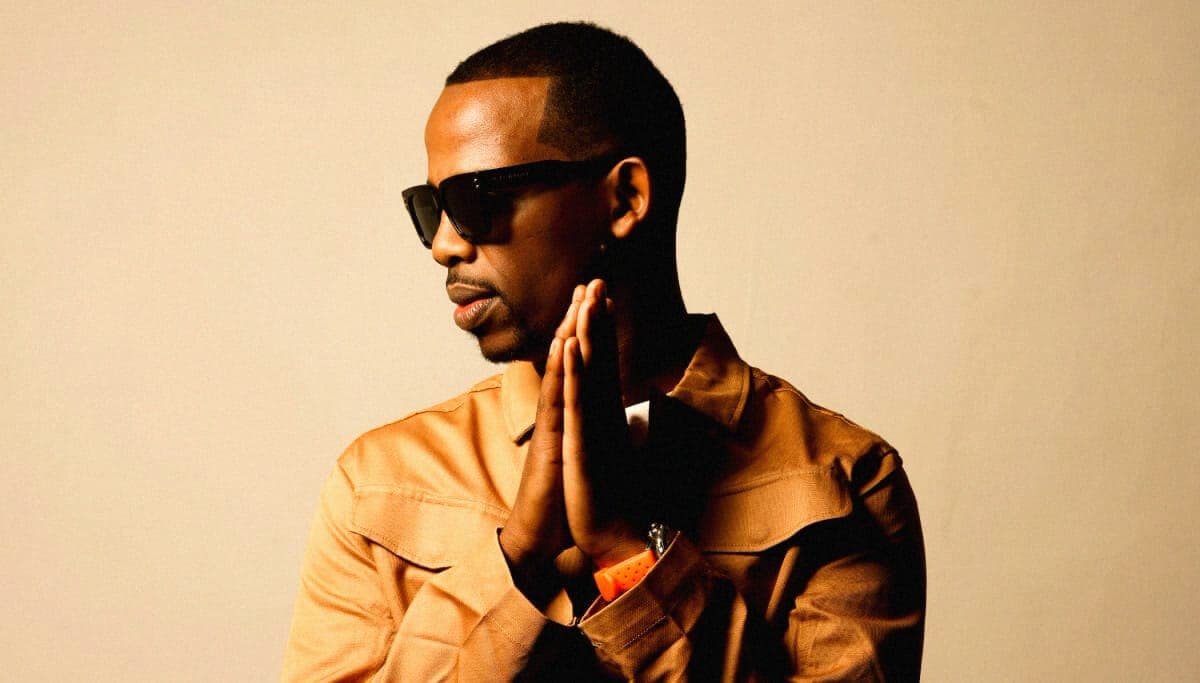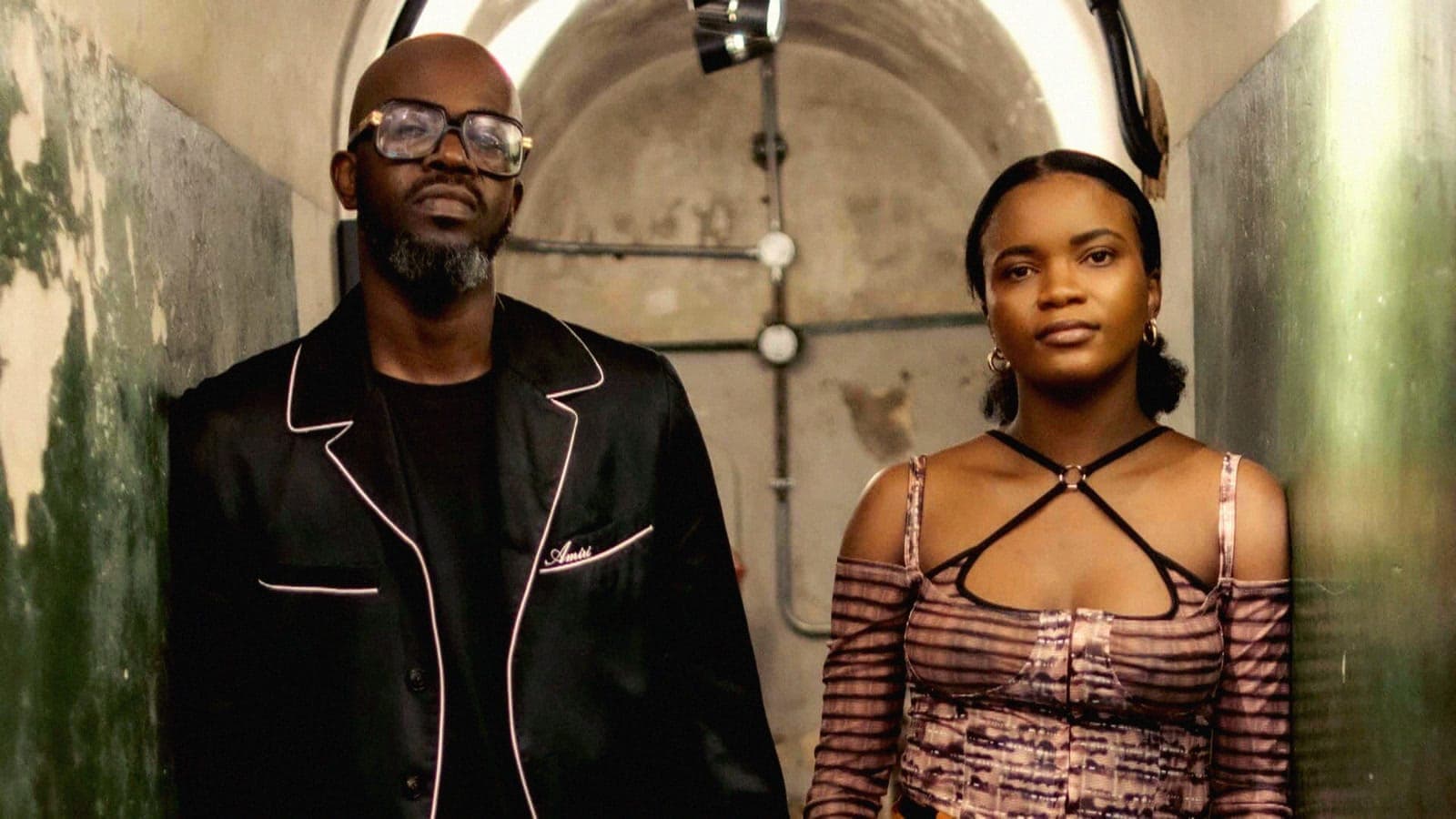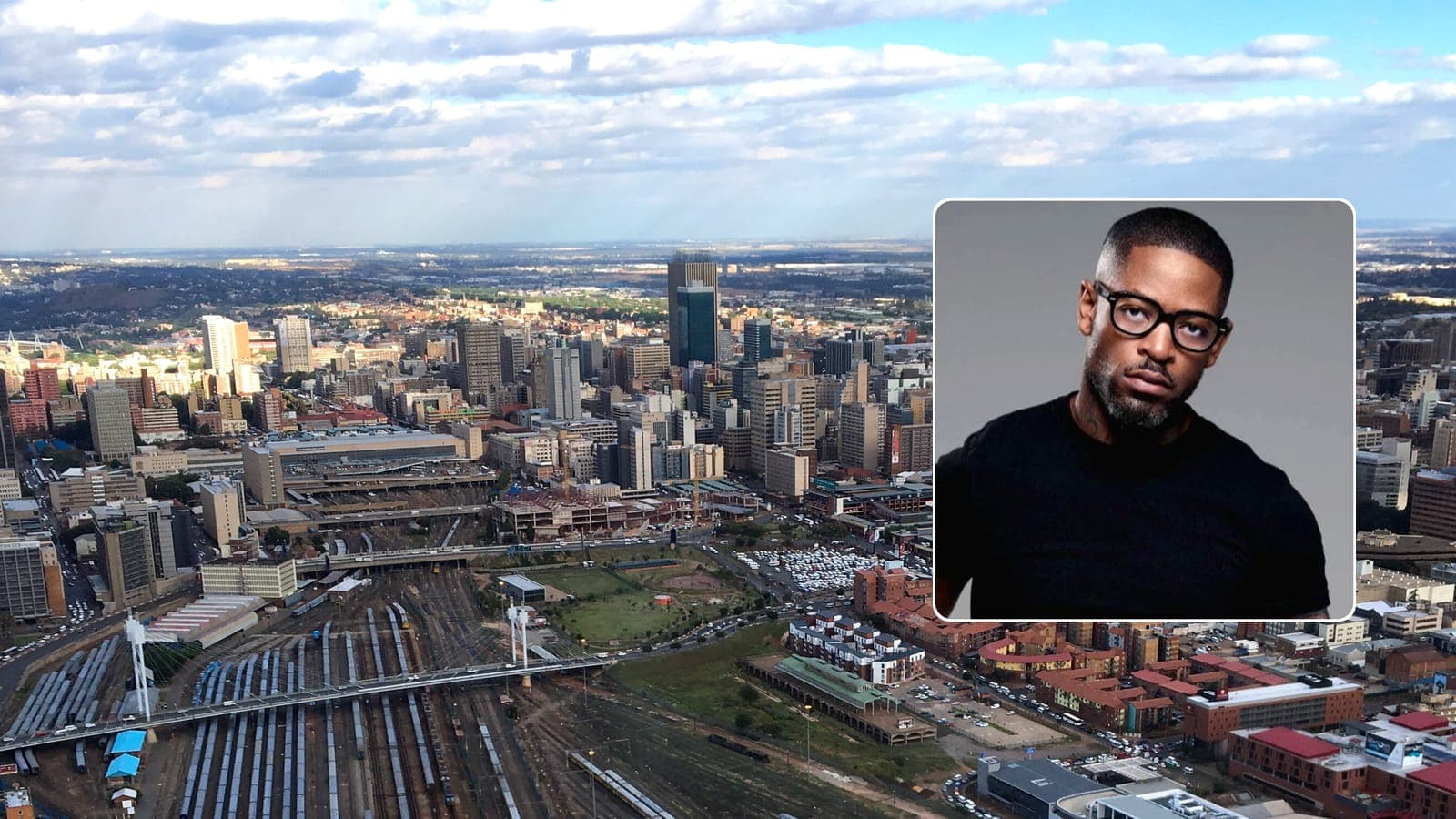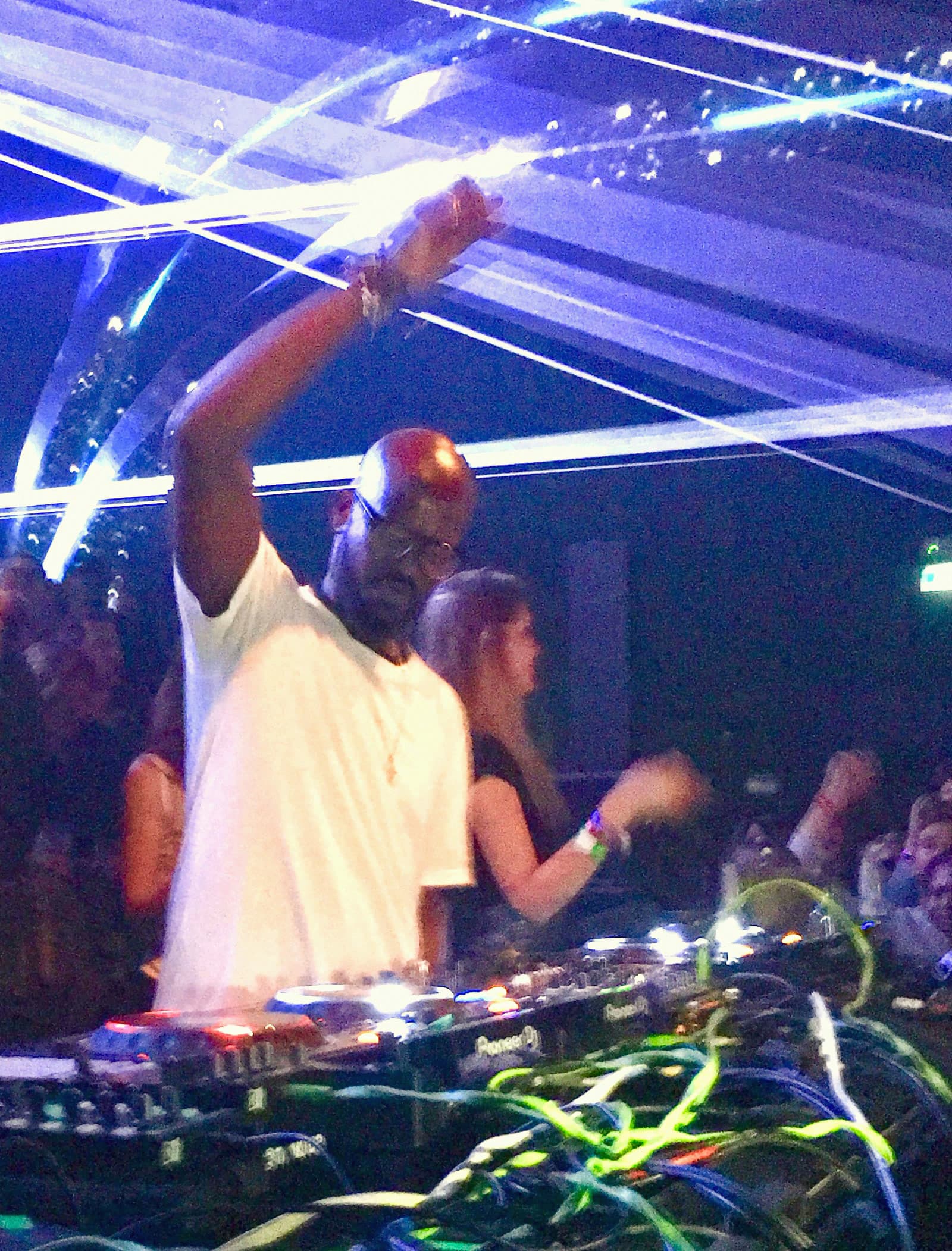
On 6 June 2026, a single sentence put the genre's most exportable name in the middle of South Africa's ugliest domestic fight. A quote circulating on X, attributed to Black Coffee, read: "Being a South African abroad is now embarrassing as everyone thinks all of us are a xenophobic nation." He answered in two words: "Fake news."
The timing is what matters. The quote went viral during a fresh wave of attacks on foreign nationals and an online push, tracked across nearly four million posts on X between January and May 2026, demanding migrants leave. Vigilante messaging set a 30 June deadline for foreigners to go. Whether Black Coffee said the line is almost beside the point. Someone wanted the country's biggest global ambassador on record, one way or the other.
Why is the country's biggest DJ being dragged into this?
Because Afro house is a South African export, and its export face is him. When Human Rights Watch documented "new waves of xenophobic attacks" on 20 May 2026, the targets were African and Asian foreign nationals: refugees, asylum seekers, the documented and the undocumented. A 43-year-old Cameroonian shop owner in Durban was beaten with golf clubs and sjamboks on 17 April. Groups like Operation Dudula and the newer March and March, which staged demonstrations across Pretoria, Johannesburg and Durban in April and May, supply the street pressure; coordinated buzzer networks supply the volume online.
That is the country whose mines, kitchens and townships pulled in labour from across the continent for a century, and whose music absorbed every one of those accents. Kwaito, gqom, amapiano, Afro house: none of it is ethnically sealed. The genre that the world now treats as a single South African brand was built by movement across borders. Telling foreigners to be gone by month's end is, among other things, an attack on the conditions that made the sound.
The same crowds streaming Afro house from Lagos to London are the ones a 30 June deadline says aren't welcome at home.
What did Black Coffee actually say, then and now?
His 2026 reply was a flat denial of the specific quote, not a statement on the attacks. That is a notable shift in temperature from 2019, when he told CNN during an earlier xenophobia spike: "I often get embarrassed to tweet about our issues, because I have this following of the entire world watching, and I feel like I'm airing my dirty laundry to the world. But then there are times I feel that I really need to speak up."
Seven years on, the calculus has hardened. Black Coffee, real name Nkosinathi Maphumulo, now runs a global touring business with residencies and a brand that lives as much in Ibiza and the diaspora as in KwaZulu-Natal. Speaking up carries weight; being misquoted into a position carries risk. The fake quote is a clean illustration of how a single artist becomes a proxy in a fight that is bigger than any booth.
Why is this an underground-house story?
The house world abroad consumes South African music constantly and engages with South African politics almost never. The appropriation debate asks who profits from Afro house. This is the harder, quieter version: who is allowed to stay in the country that makes it. A scene that built its identity on borrowed grooves from across Africa should notice when the people behind those grooves are told to leave.