Boiler Room spent fifteen years convincing the underground that a webcam in a sweaty room was more real than a festival main stage. The footnote almost nobody priced in: it never owned the music. So when the platform changed hands, got boycotted and started cutting staff, the question stopped being cultural and became a balance-sheet question. On 20 January 2026 it lost the founder who built the whole thing.
How did Boiler Room end up owned by a buyout fund?
Through two sales in four years. Boiler Room was bought by ticketing firm DICE in 2021, one week after DICE raised a $122m Series C. Then on 15 January 2025 DICE sold it on to Superstruct, the European events giant. Superstruct's own March 2025 earnings report put the price at £25m, which means DICE roughly quadrupled its money in under four years on a platform that holds no recorded-music catalogue.
The owner above the owner is the part that matters. Superstruct was itself acquired by KKR for about €1.3bn in 2024. So the most credible brand in online underground music now reports, two layers up, to one of the largest private-equity firms on the planet. At the time, founder Blaise Bellville framed it as growth: 'As we turn 15 and enter our next stage of growth, we're excited to be partnering with Superstruct for this chapter.'
Why did the boycotts hit the business so hard?
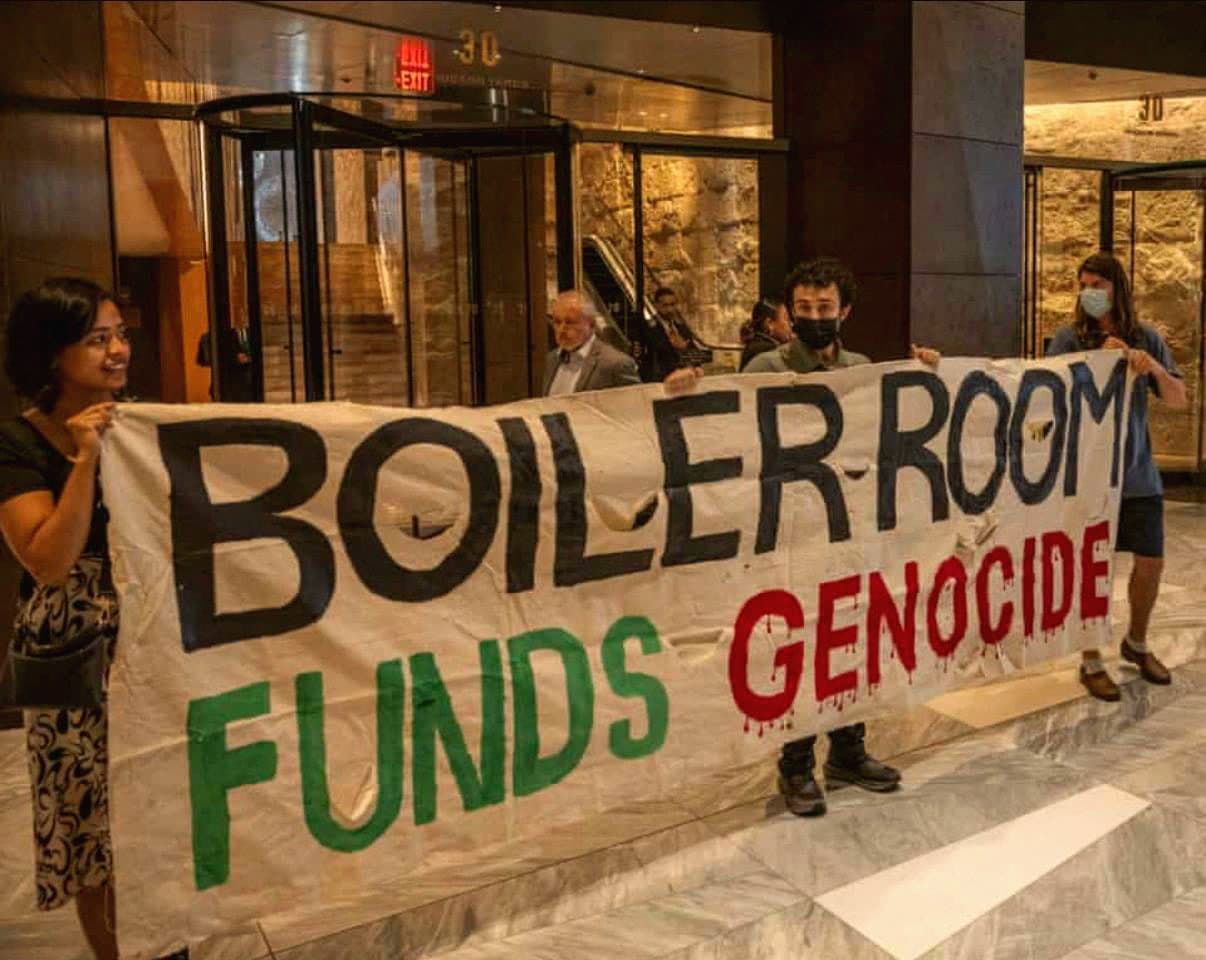
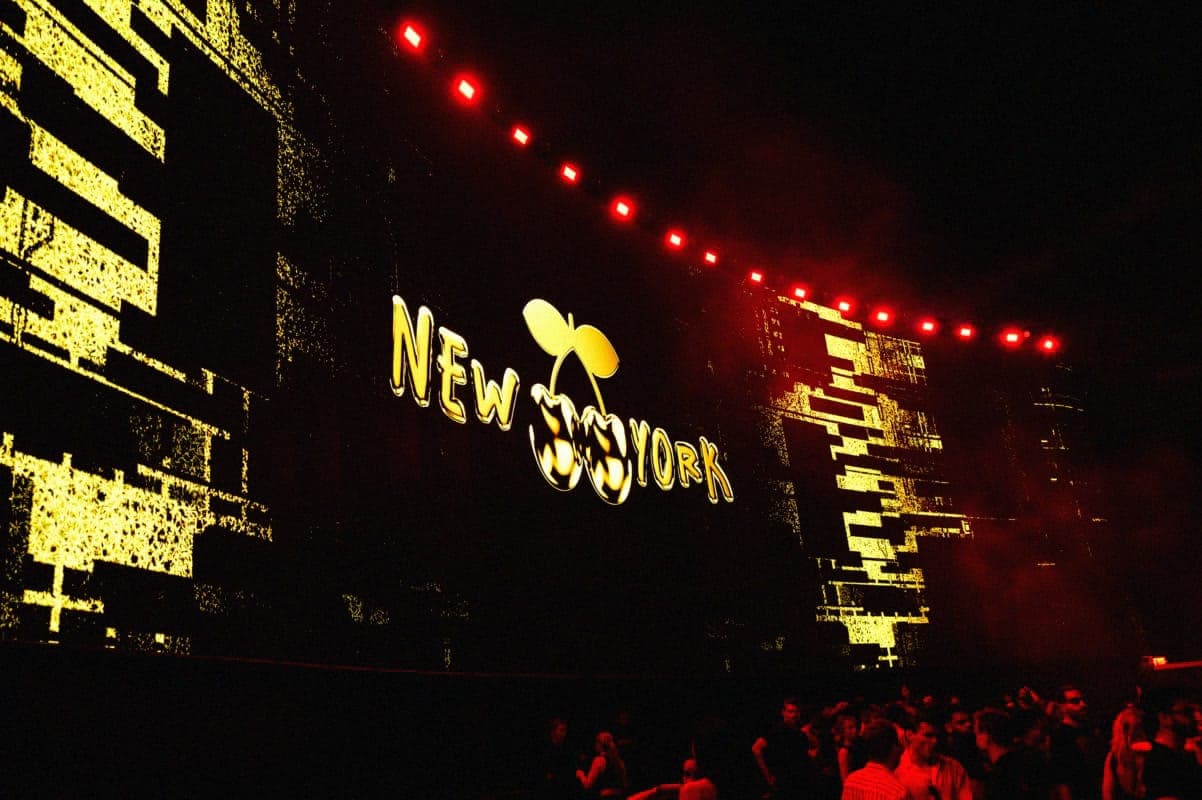
Because the new owner came with baggage the audience would not ignore. Through 2025, events in London, Lisbon and Kuala Lumpur faced boycotts and cancellations from artists objecting to the KKR ownership chain, and Boiler Room publicly restated that it remains 'unapologetically pro-Palestine.' Set the politics aside and the commercial mechanics are brutal for a platform like this: its value is artist trust and free participation, and both are easy to withdraw. A booking agency can survive acts walking; a credibility brand cannot.
A platform with no masters and no publishing has exactly one asset, the trust of the people who play and watch for free. That is the cheapest asset to build and the easiest to lose.
What does losing Bellville actually signal?
The sequence reads as a standard post-buyout wind-down. On 24 November 2025 staff were told by email that a 'double figures' share of roles were at risk in a restructuring, described internally as losing some of the best people the company had. Less than two months later, on 20 January 2026, Bellville's exit was confirmed. He had been founder and CEO since 2010. No successor was named; an internal leadership team took over.
Founders leave after acquisitions all the time. What makes this one instructive is the model underneath. Millions of views barely monetise when you own none of the rights and license none of the recordings, so the only ways to make the numbers work are cost-cutting and leaning on the parent's events machine. That is precisely the path a buyout owner takes. For every HÖR-style streaming-rave format watching, the lesson is plain: views are not revenue, and credibility does not appear on a P&L until someone tries to sell it.