Who is playing, and where exactly?
On Saturday, June 20, 2026, Carl Cox takes over the gardens of Château de Chantilly, one of the most recognisable estates in France, for a single open-air show. Joining him as special guest is Mau P, the Dutch producer behind "Drugs From Amsterdam" and one of the fastest-rising names in tech house. The pairing is no accident: both men live in the same lane of muscular, rolling techno and tech house, which is exactly the register this garden is going to run all night.
The show is staged by Gärten, the French outfit that bills itself as a luxury electronic events brand and has built its reputation on putting world-class DJs inside heritage settings. It has already sold out the same gardens twice with Solomun, in 2024 and 2025, so it knows how to move a crowd through this estate. Production comes with Atlas Artists and Live Nation behind it, and the stage design is handled by High Scream, the team behind the rooms Cox works at Hï Ibiza.
How big is this, really?
Big. More than 15,000 people are expected inside the gardens, which puts it among the largest electronic dates of the French summer and a long way from a boutique château dinner. The estate normally fills with cultural visitors and slow walks through formal gardens designed by Le Nôtre. For one night it flips into a full open-air club.
A 17th-century French garden, a 15,000-strong crowd, and Carl Cox on the controls. That is not a heritage concert, that is a rave with a postcard backdrop.
Timing sharpens the moment. This is billed as Cox's only date in the Paris area in 2026, and it lands the night before the Fête de la Musique, the country's annual music holiday, during Paris Fashion Week. For a city that takes its dance calendar seriously, that is about as loud a statement as a single date can make.
Is this really a 700-year-old castle?
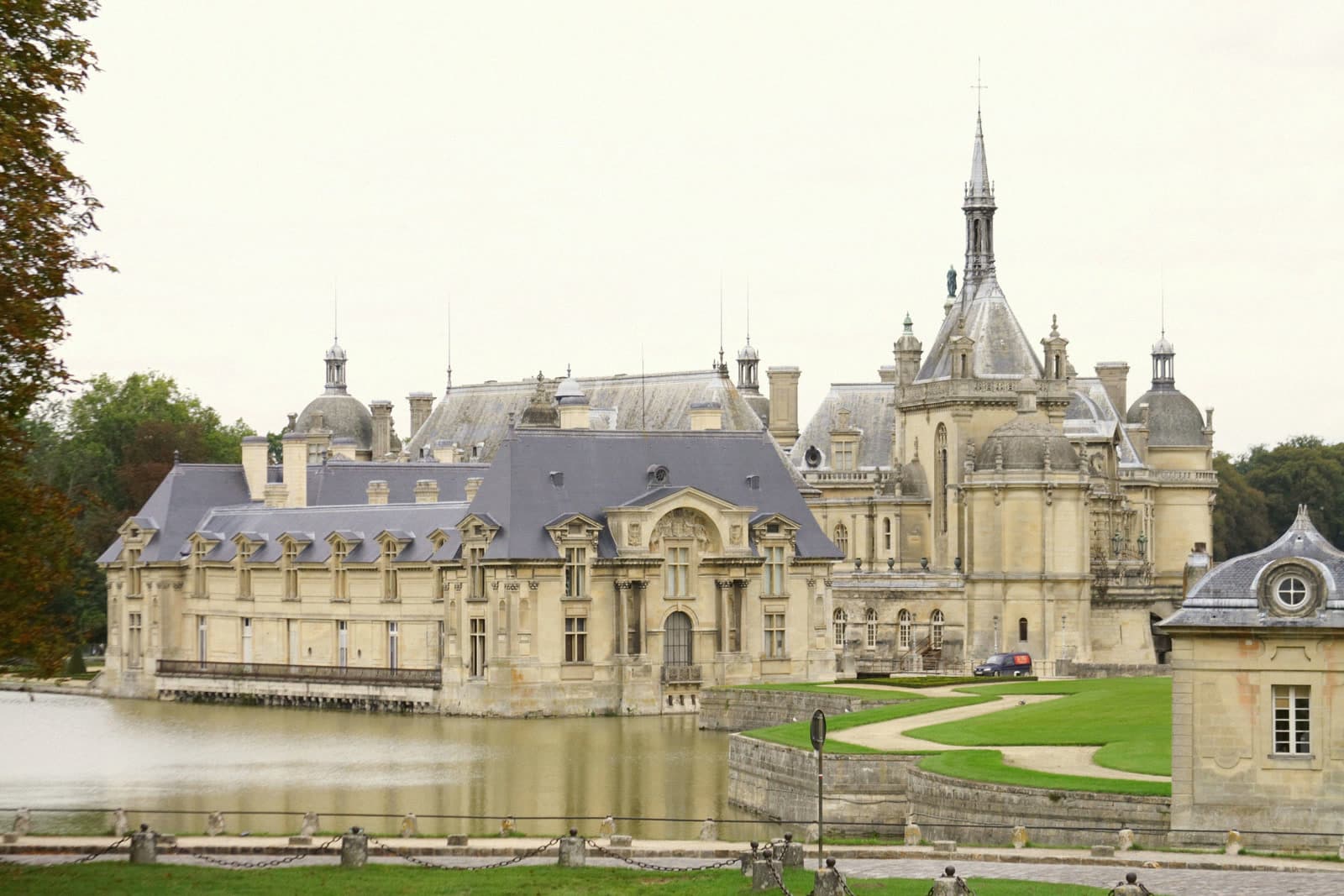
Not quite, and it is worth being honest about it. The estate's history is deep: a fortress stood on the rock here in the Middle Ages, and the Montmorency family took it over in 1484. But the buildings you actually see today are far younger. The Petit Château went up around 1560, and the Grand Château was rebuilt between 1875 and 1882 after the Revolution-era structure was demolished. So the romance of "a medieval castle hosting a rave" is real in spirit, but the standing palace is Renaissance and 19th-century, not seven centuries old. The site is now owned by the Institut de France, which makes the decision to hand it to a techno crowd for a night all the more striking.