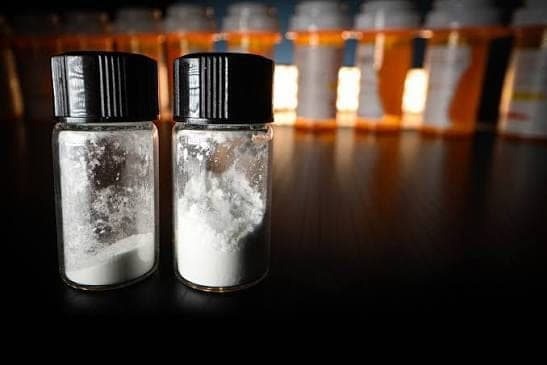
What did the wastewater actually find?
Once a week, in 115 cities across 25 countries, researchers pull a sample from the sewers and measure what a population of roughly 72 million people flushed away. The EUDA ran this for one week between March and May 2025, screening for amphetamine, cocaine, methamphetamine, MDMA, ketamine and cannabis. It is the closest thing the scene has to an honest, anonymous count of what people are taking, no survey, no self-reporting, no judgement.
The headline is a swap. MDMA, the drug most people still picture when they picture a dancefloor, dropped about 16 percent between 2024 and 2025. Of the 78 cities with data for both years, 62 percent showed a decrease. Meanwhile ketamine rose about 41 percent and cocaine about 22 percent. Belgium, Spain and the Netherlands keep showing the heaviest loads across the stimulants; ketamine peaks in Belgium, Germany and the Netherlands.
Why is ecstasy fading and ketamine rising?
Nobody flushes a press release, so the numbers come without a why. But the shape of the change tracks with how a lot of people now go out. MDMA is a long, sweaty, all-in night with a hard back end; the comedown is real and the midweek slump is well known. Ketamine and cocaine offer something shorter and more controllable, a high you can clock in and out of, which fits shorter nights, day parties and a crowd that wants to be functional the next morning.
The EUDA says the study reveals a marked decline in traces of MDMA, alongside continued signs that cocaine and ketamine detections are on the rise.
It also tracks loosely with the music. The years when MDMA defined the floor were the years of long, euphoric, build-and-release sets. A ketamine-leaning room moves differently, slower, more dissociative, more comfortable in the murk, which is not unrelated to why so much current club music sits in a hazy, hypnotic register rather than chasing the big-room drop.
What does this mean for the come-down conversation?
This is where it gets practical, not preachy. A floor moving toward ketamine and cocaine is a floor with different risks than an MDMA floor, and the harm-reduction conversation has to move with it. Ketamine carries its own well-documented bladder and dependency issues with heavy regular use; cocaine carries its own. The drug-checking and welfare crews who work festivals and clubs have been saying for a while that the mix on the floor is changing, and a wastewater dataset this size is the hard confirmation, per the EUDA.
None of this is a verdict on whether people should or should not use anything. It is a picture of what is happening, so the people who run rooms, work door welfare and care about their friends can read the floor honestly instead of fighting the last decade's fight.