What does the Ripost bill actually do?
France has spent twenty years trying to legislate the free party out of existence, and the Ripost bill is the hardest swing yet. The Senate passed it on 26 May 2026 by 243 votes to 33, and the text now heads to the Assemblee nationale. If it becomes law, organising an unauthorised rave could cost you up to two years in prison and a 30,000 euro fine. Turn up as a dancer and refuse the new 1,500 euro fixed fine, and you are looking at up to six months inside and a 7,500 euro penalty.
The quieter changes bite just as hard. The threshold for telling the prefecture about a gathering drops from 500 people to 250, which pulls small woodland parties and one-off sound system nights into the same net as big teknivals. Equipment rental firms would have to keep the renter's identity on file for three months, and a separate text working through parliament, PPL 1133, pairs systematic seizure of sound gear with the prison terms.
How did the scene respond?
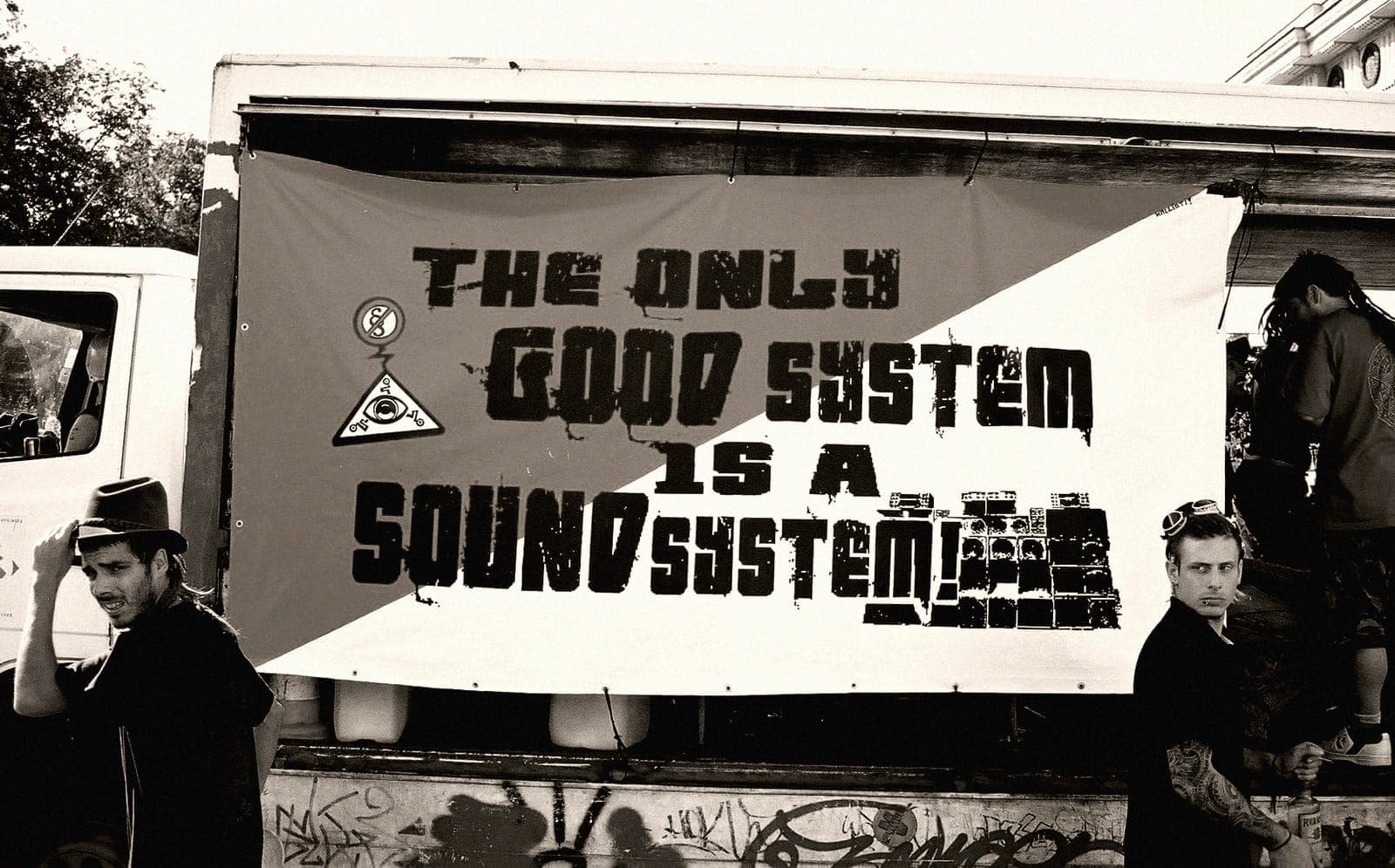
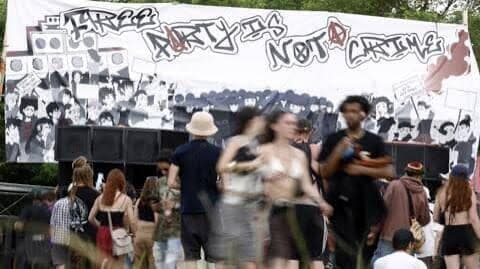
With trucks, not petitions. On Saturday 13 June the Tekno Anti Rep collective coordinated what the movement calls a manifestive, a protest that is also a party, across roughly 30 cities. In Paris the cortege left Stalingrad and wound through the north and east of the city with sound systems forming the spine of the march. It followed weeks of escalation: around 970 people marched in Rouen on 6 June, several thousand in Montpellier on 30 May, and on the night of 5 to 6 June about 2,000 ravers held an illegal party near Claret in the Herault despite a prefecture ban and 160 gendarmes posted to stop it.
Senator Guy Benarroche called the bill one more stone in a surveillance society.
The clubs are lining up too. Lyon's Le Sucre threw a twelve hour night in solidarity with the free party, a reminder that the line between the licensed club and the field rave is thinner than the law pretends.
Why does this matter beyond France?
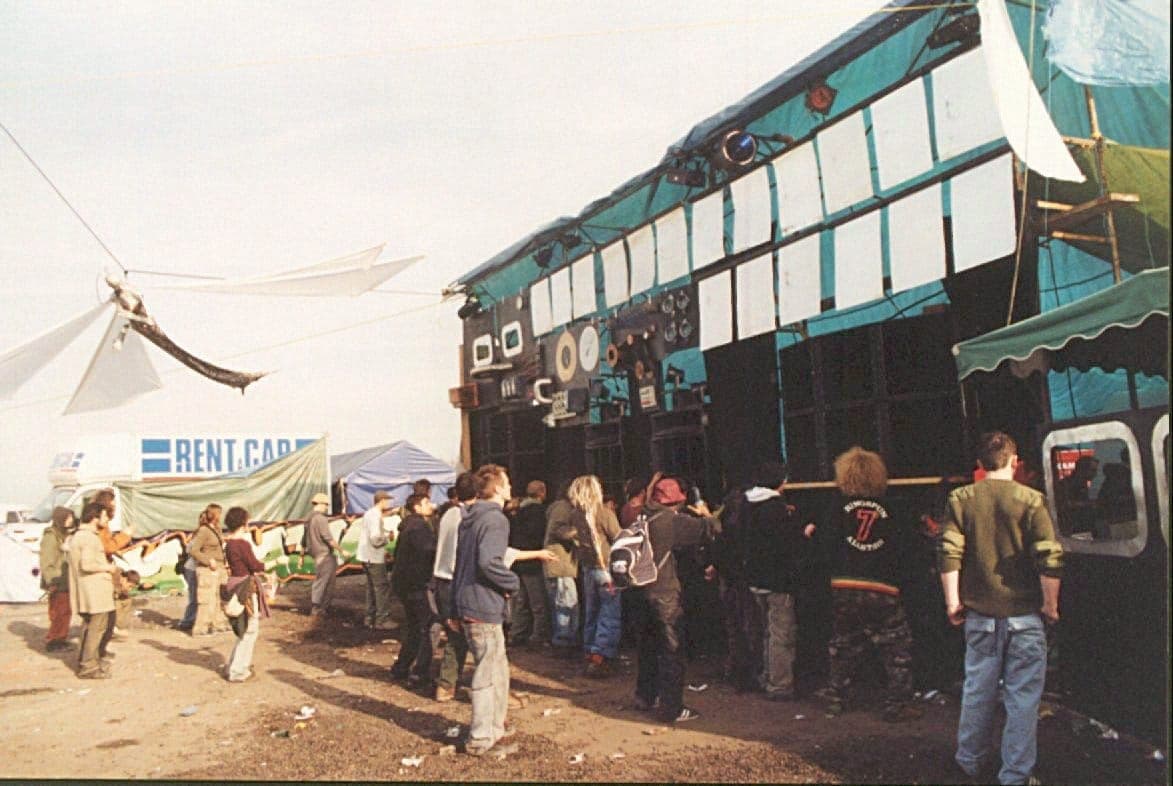
Freetekno was born in France in the 1990s and the country still has one of the largest sound system cultures in Europe. When Paris criminalises the unlicensed party, the rest of the continent watches, because the same arguments, noise, safety, drugs, land, are used everywhere to shut spaces down. This is the oldest fight in the underground, and right now it is happening in the open.