Why break a format that already worked?
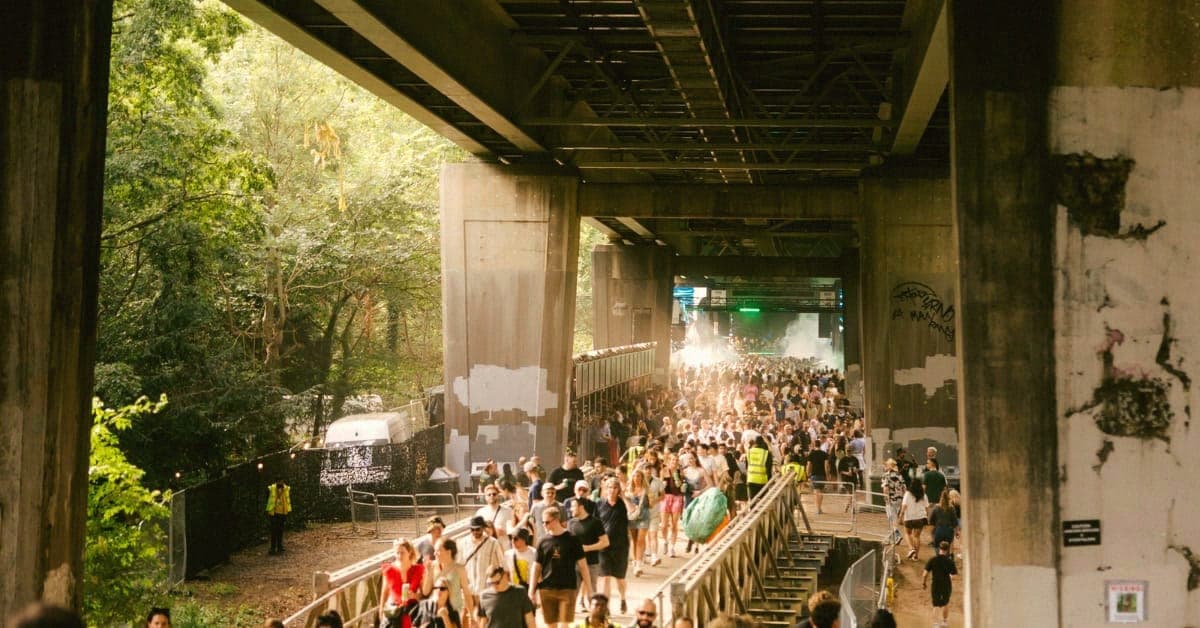
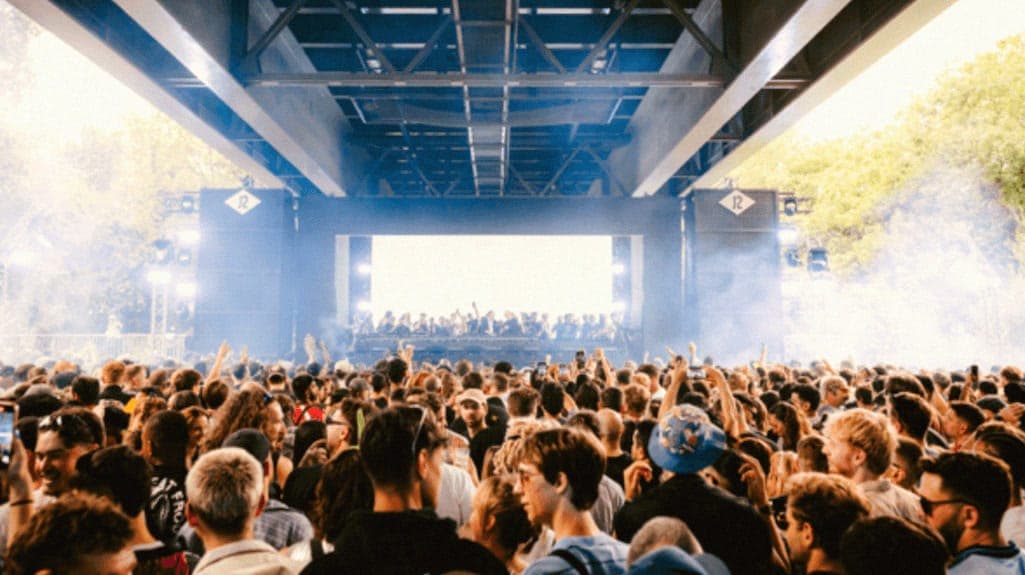
For nine editions, Junction 2 built its name on compression: one dense, dawn-to-dusk weekend at Boston Manor Park in Brentford, no dilution, everyone in the same field for the same 48 hours. That was the pitch, and it worked well enough to carry the festival to a 10th anniversary. For 2026, that formula is gone. Junction 2 now spans three separate dates across two weekends, July 25 to 26 and then August 2, its first structural change in a decade.
What's actually different across the three dates?
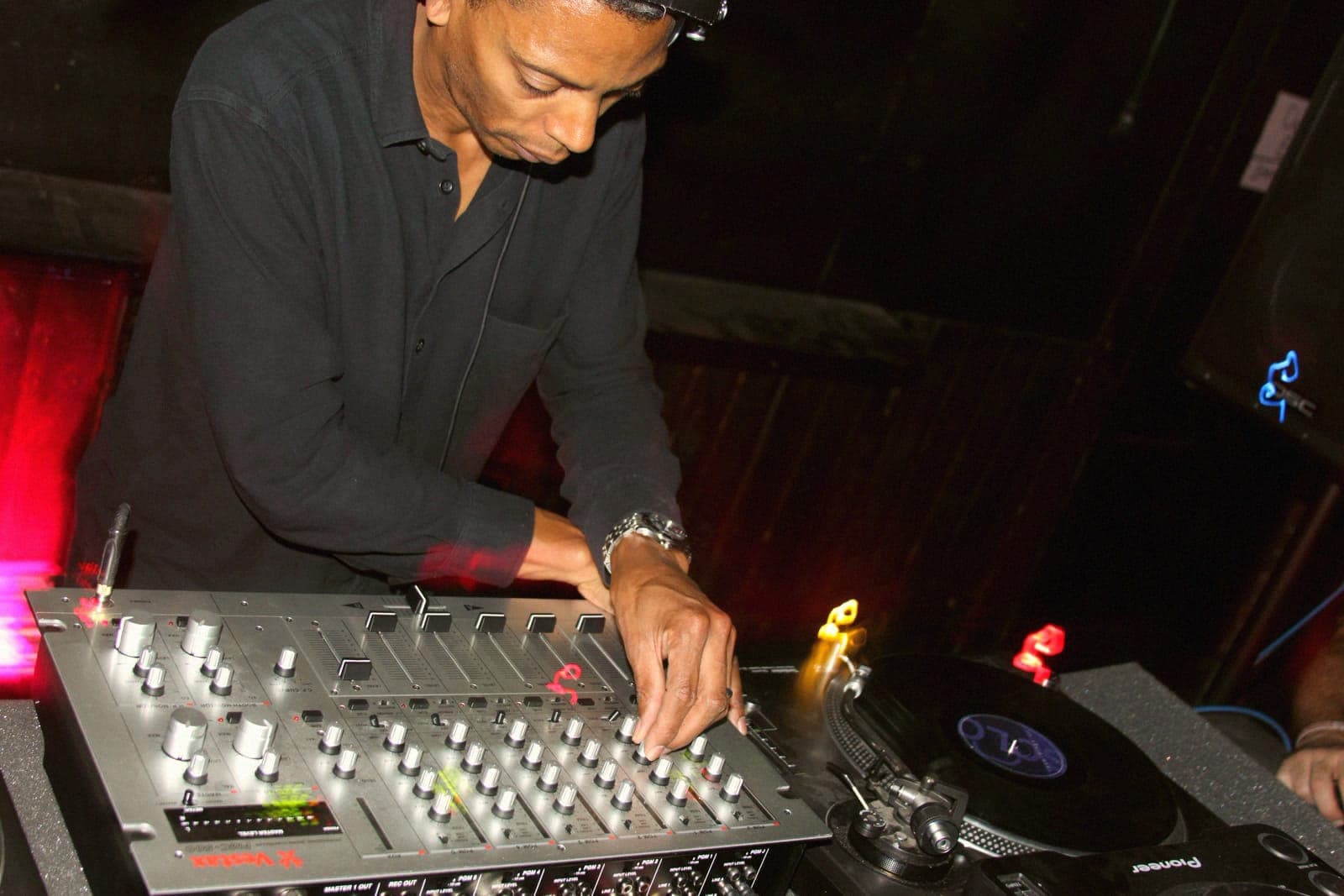
July 25 is the outlier: a one-off collaboration with fabric, London's most storied techno room, brought outdoors for a single night headlined by Nina Kraviz, Jeff Mills and a back-to-back set from Marcel Dettmann and DJ Hell. July 26 pivots toward progressive and melodic techno behind Adam Beyer, with Miss Monique, Aaron Hibell, Tripolism and Avangart Tabldot filling out the bill. August 2, a standalone date a week later, goes the other direction entirely: harder and faster, led by I Hate Models, Funk Tribu, Charlie Sparks, AMMARA and Supergloss.
Is the fabric night a flex, or the actual reason for the split?
Neither Junction 2 nor fabric has explained the commercial logic in public. But the shape of the calendar makes the read fairly obvious: putting fabric's name on a single date, instead of folding the collaboration quietly into a normal weekend bill, turns a scheduling problem into its own event. It also lets the festival run three distinct rooms of taste, a fabric-branded techno night, a lighter melodic Saturday, and a harder standalone date, without asking one weekend's crowd to sit through a sound they didn't come for.
Splitting a beloved single-weekend festival is usually how a promoter loses the thing that made it special. Putting a legendary club's name on the exact night meant to justify the split is the one part of this gamble that looks deliberate.