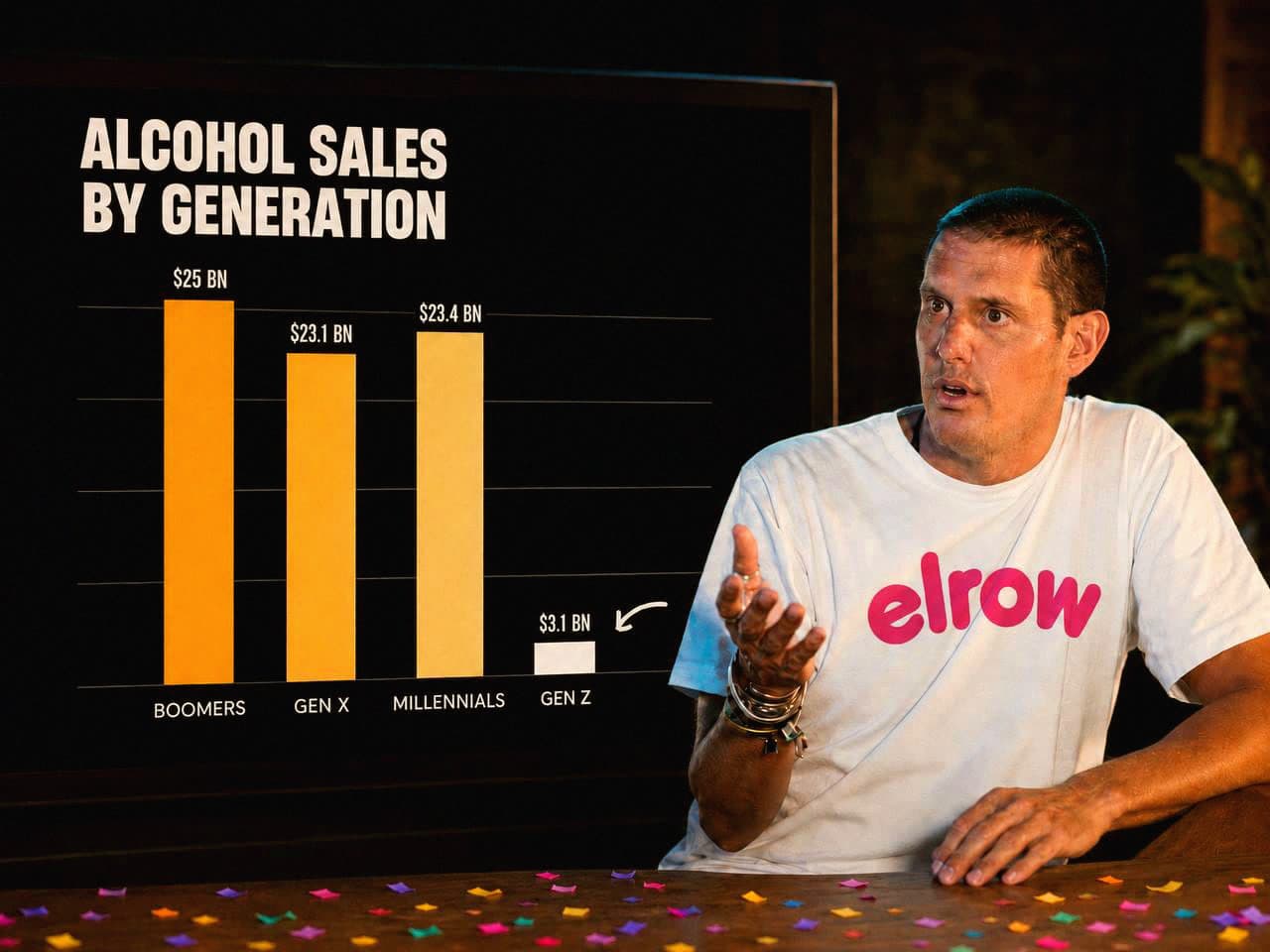
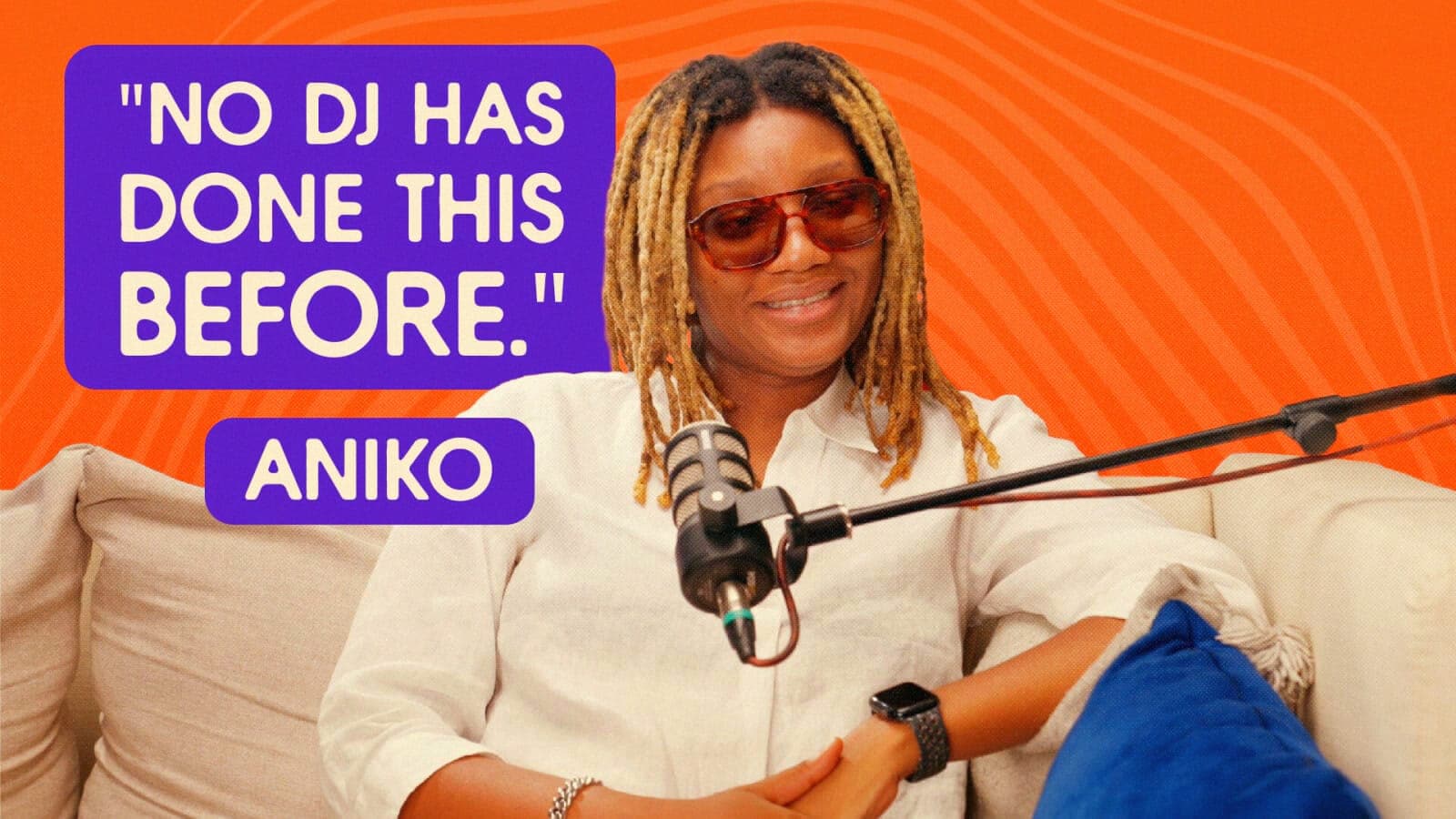
A night out is changing shape, and the clearest place to watch it is the bar that does not pour alcohol.
The format has a name now: the kava rave. Strip it back and it is a dance night with a DJ, a crowd and a bar, except the bar serves kava or coffee, the room has hydration stations and a quiet zone, and nobody is drunk. The Phoenix circuit has been running these for a while, with electronic acts like Autograf playing rooms built around kava bars rather than liquor licences. "The way I see it, curating DJs for an event is similar to how a good coffee shop owner selects their beans," is how one organiser, Dhylan Rivera, framed it. That sentence tells you who is really running this: hospitality people, not promoters.
Why is a kava bar a better business than a nightclub right now?
Because the expensive, fragile part of a club is the alcohol. A liquor licence is costly and slow. The insurance that comes with a drunk room at 3am is brutal. The closing time is policed. Take the alcohol out and a lot of that overhead goes with it, while the thing people actually pay for, a drink in their hand and a room to be social in, stays.
That is the pitch behind Pink Gorilla Kava, opening April 2026 at 340 West Flagler Street in Miami. Restaurateur Giancarlo Rodriguez is running it as specialty coffee by day and a kava lounge by night, sitting deliberately next to Brickell's club strip as the low-key option. His framing is pure bar, not pure wellness. "You're at a bar, you're with your friends, you have a drink in your hand, and you're feeling good about everything," he says, and the strategy is to pull people who would never call themselves the kava community: "Come and enjoy a great specialty coffee, ceremonial matcha, or a latte in this beautiful space we've created. Then try some kava."
The product is not sobriety. It is the bar ritual with the hangover removed, sold by people who know how to run a room.
Is this a real wave or one Miami opening?
It is wider than one room. In Cape Coral, Kava Nirvana opened in May 2026 as a 1920s speakeasy serving kava and kratom instead of liquor, with trivia, open mics and an industry night, and doors that stay open to 2am on weekends. "We chose that 1920s speakeasy and prohibition theme. We wanted to go over the top," co-owner Joseph Catalano says. The aesthetic is a tell: these places are not hiding the fact that they are bars. They are leaning into it.
Kava bars have multiplied from a handful two decades ago into hundreds across the country, clustering in cities like Austin, Miami and Portland and pushing into smaller towns. That base is what turns the kava rave from a one-off into a circuit. A scene needs venues, and this is a venue category that is opening, not closing.
What does this mean for the clubs?
Nothing comfortable. The honest version is that kava rooms are not competing with peak-time clubbing on intensity, and they never will. A sedative root does not make a sweatbox. What they are competing for is the night itself, the spend and the social occasion, and they are doing it with a cheaper licence and a healthier story at exactly the moment the developmental club tier is collapsing under costs. The dancefloor's first genuinely sober economy is being built, and it is being built by people who came up in coffee and hospitality, not in the booth.