In June 2024, the private-equity firm KKR bought Superstruct Entertainment for a reported €1.3bn (about $1.39bn) from Providence Equity Partners. Superstruct is not a niche operator: it runs roughly 80 festivals and 200 smaller events across Europe and Australia, drawing around seven million people a year, founded in 2017 by former Live Nation executive James Barton. If you danced at a big European festival last summer, there is a good chance a Wall Street buyout fund banked your ticket.
Most punters had no idea. Then the artists found out who owns the stage, and refused to play.
Why did the lineups collapse?
The trigger was where KKR puts its money. Campaigners, led by the grassroots group Ravers For Palestine, pointed to KKR's stakes in companies tied to Israel's occupation: Axel Springer, whose Yad2 platform lists properties in occupied Palestinian territory; the cybersecurity firm Optiv; and, separately, the Coastal GasLink pipeline. The call went out to boycott Superstruct festivals, and it landed hard.
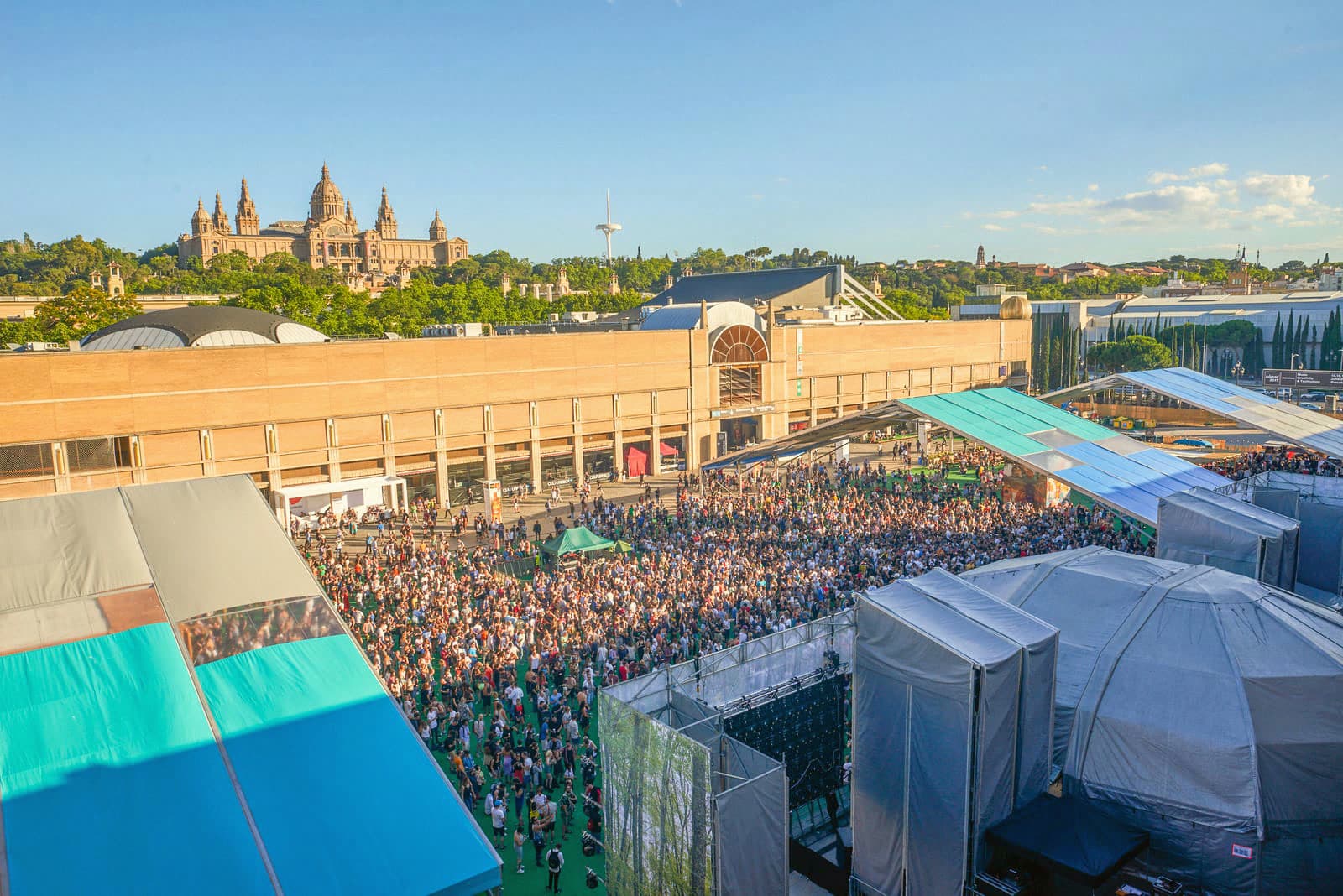
The numbers are stark. At London's Field Day, 19 of 42 booked acts pulled out, including Mall Grab, Midland, Roza Terenzi, Sisu Crew, Regularfantasy and Spray. At Sónar, more than 70 artists who had previously played the festival signed an open letter in May 2025 pledging never to return, and by 4 June over 30 had cancelled their 2025 sets, among them Arca, Rone and Juliana Huxtable. The first documented protest had come even earlier, in August 2024 at Helsinki's Flow Festival.
What did the festivals say?
This is the trap private-equity ownership sets for the brands underneath it. The festivals agreed with the boycotters and could do nothing about the cause of it. Field Day said it was "passionately opposed to KKR's unethical investments in Israel," adding: "We cannot control who owns our parent company." Sónar went further: "Sónar distances itself from any action taken by KKR. We have no influence over, nor of course any control whatsoever, over their investments or decisions."
That is the whole story of the leveraged buyout in two sentences. The people booking the artists and the people deploying the capital are no longer the same people, and the booker has no veto over the financier.
Artists discovered mid-billing who actually banks their fee, and the brands they trusted admitted they were just tenants.
Who finally walked?
The most telling exit was not an artist boycott. In October 2025, the three people who created Sónar in 1994, Enric Palau, Ricard Robles and Sergio Caballero, stepped away after 30 years, along with partner Ventura Barba, who had joined in 2009. Superstruct had taken a majority stake in Sónar back in 2018; KKR's 2024 purchase put a buyout fund above them in the stack. A new CEO, François Jozic, co-founder of Brunch Electronik, takes over.
The founders' parting words named the talent and the city, not the owner: "Everything that Sónar has achieved over the years has been possible thanks to the talent and dedication of creative communities." The thing they built outlasted them. The control did not.