Fitness trackers have quietly been building a case that a night out dancing rivals a serious athletic event, and the receipts are more interesting than the meme.
Do ravers really out-step marathon runners?
Not quite, and the honest answer matters more than the viral one. Wearable data reported by We Rave You in March 2026 put a 10 to 12-hour rave at 40,000 to 50,000 steps on Apple Watch and Fitbit logs. A marathon runner covering 42.195 kilometres takes roughly 50,000 to 55,000 steps, with the Marathon Handbook citing a University of Oklahoma Health Sciences Center average of 52,400. So a long night on the floor gets close to marathon territory step for step, but it generally still falls short. The gap narrows further for shorter, slower runners, who take more steps per mile than tall, fast ones, and widens for elite pace, where world-class marathoners have been clocked nearer 28,500 to 30,000 steps.
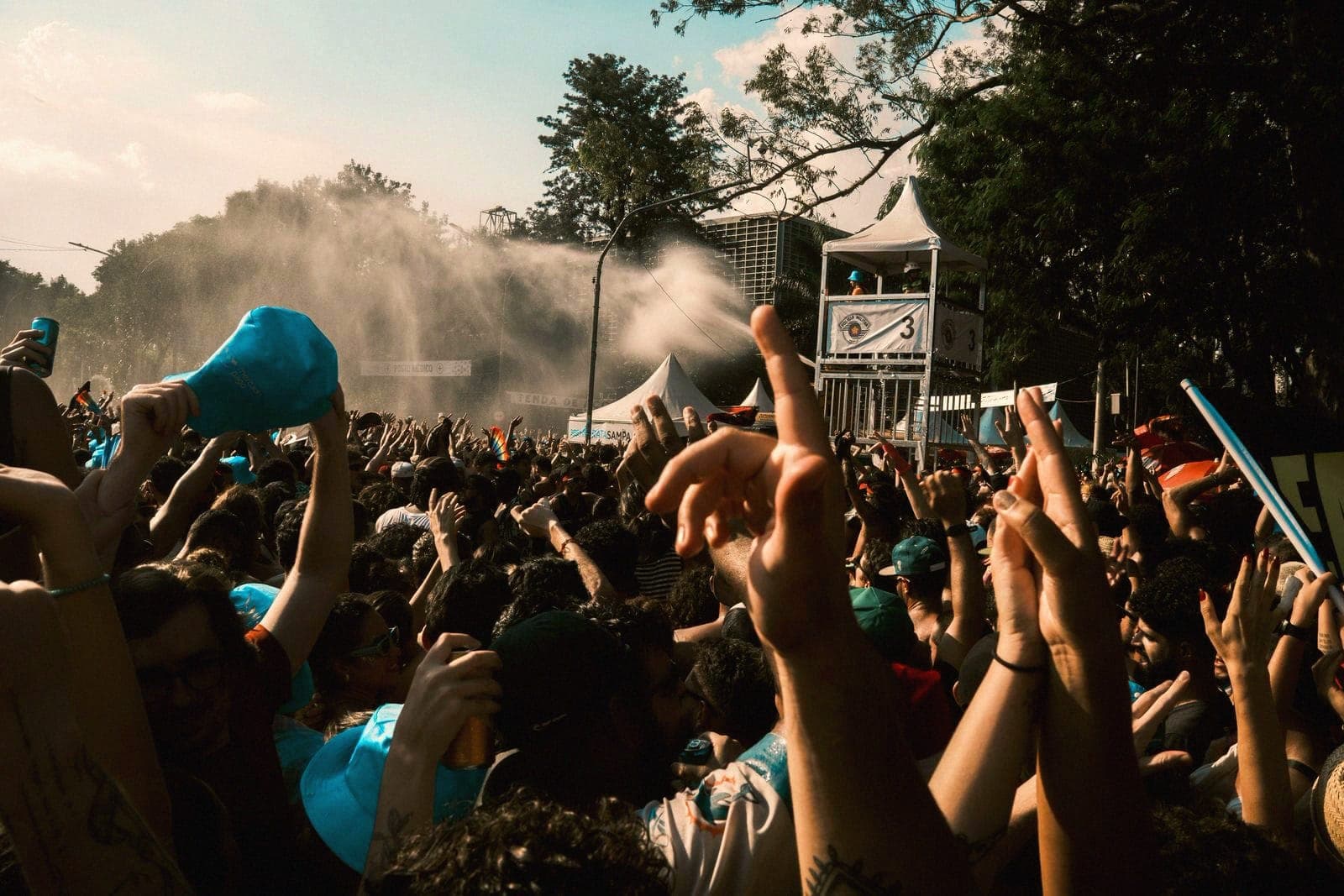
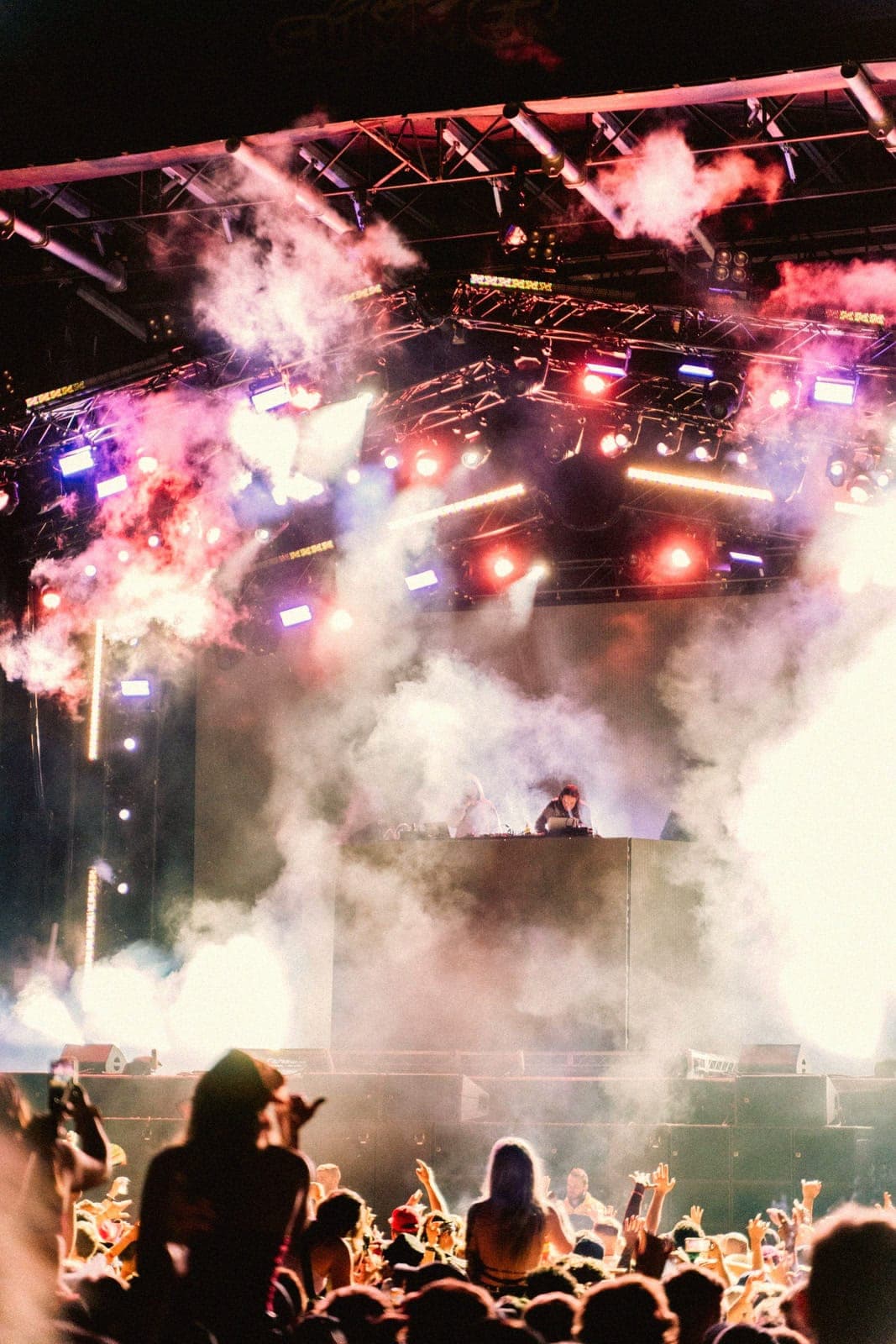
The totals don't come from dancing alone. Walking between stages, queuing at the bar, moving through a packed crowd and standing for hours all add up, and none of it registers to the person doing it as exercise.
What does the actual science say?
"Attendance at large-scale, outdoor music festivals provides considerable, unintentional physical activity."
That line comes from the one piece of this story that is genuinely peer-reviewed: a 2019 study in the International Journal of Environmental Research and Public Health, in which researchers Eddie Bradley, Lauren Close and Ian Whyte fitted 22 Glastonbury Festival attendees with hip-worn Actigraph accelerometers and GPS loggers for the full event. The results: a mean of 15,661 steps and 11.01 km covered per day, for a six-day total of 66.08 km, with attendees moving for an average of 11 hours 28 minutes daily.
The headline number is the exercise minutes. The NHS recommends 150 minutes of moderate-to-vigorous activity a week for adults. Glastonbury attendees in the study averaged 155 minutes of that intensity per day, meaning they blew past the entire weekly target before the first headliner finished. Add it up across the festival and the total moderate-to-vigorous activity came out around six times the weekly guideline, banked in less than a week on a farm in Somerset.
Why doesn't 12 hours on your feet feel like a workout?
Ask anyone who has done both a treadmill session and a full night out which one felt harder, and the treadmill usually wins, even when the raw movement says otherwise. Music at dance tempo, a crowd moving in sync and the absence of a clock all blunt perceived exertion, the same mechanism that makes spin classes and Zumba feel easier than solo cardio at a matched heart rate. A marathon is measured, paced and finished by design. A festival day has no mile markers, so the body keeps going well past the point where a gym session would have ended.
That gap between how hard something feels and how hard it actually is happens to be exactly where the underground has always operated: nobody joined a rave to hit a step count, and that may be the reason it works.