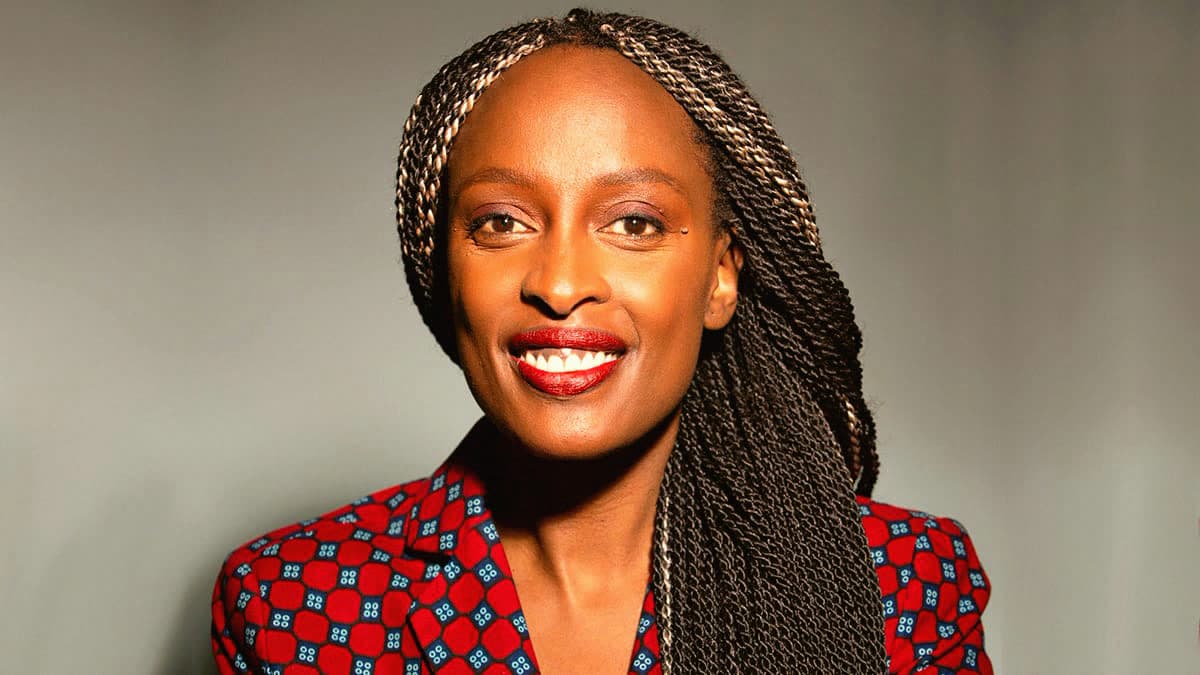
Spotify has put a number on something Nigerian artists already felt. In 2025 a stream paid local artists roughly 1.98 naira, and the platform's Sub-Saharan Africa managing director, Jocelyne Muhutu-Remy, has now explained on the record why that figure stays where it is.
Why does a Nigerian stream pay so little?
Because the rate follows the revenue, and the revenue follows a deliberately low price. Muhutu-Remy framed it as a choice to keep subscriptions affordable rather than chase a global benchmark. "We cannot just say, let us try to meet our benchmark and multiply and increase unreasonably," she said. "We need to take into consideration people's reality."
That reality shows in the price card. A Nigerian Premium plan runs around 1,600 naira, near 1.16 dollars, while the same plan costs about 4.29 dollars in South Africa, 3.23 in Kenya and 2.07 in Ghana. Lower subscriber spend means a smaller pot to split per play, and the per-stream rate falls out of that arithmetic.
Is the plan to raise prices or grow users?
Grow users. Spotify's bet is that the rate climbs as the paying base does, not as the price does. "If the revenue per user is at that level, then it is going to be less," Muhutu-Remy said. "For us, that is the most important thing, really building that habit and making it a daily thing for Nigerians and Africans to stream music."
Just because Spotify costs less in Nigeria does not mean a Nigerian fan is less valuable.
The growth she points to is real. Nigerian artist earnings have risen more than 140% over two years, with over 60 billion naira, near 43.9 million dollars, paid out from 30.3 billion streams in 2025. About 58% of those royalties went to independent artists and labels, which is the part that matters most for the underground.
What does this mean for independent and underground artists?
It means reading the dollar line, not just the naira one. Counted in dollars, Nigeria's payout has effectively plateaued around 39 million since 2023, even as naira figures and stream counts climb. The growth is being absorbed by the falling currency, so a louder catalogue is not translating into proportionally fatter cheques abroad. For deep, afro and tech producers working independently, the lesson holds steady: streaming is distribution and discovery, the real money sits in masters, direct sales and live work.