Who is Tweakbench, and why did it disappear?
Tweakbench built its name in the early VST era, the mid-2000s wave of independent, budget synth and effects developers that the bigger names never bothered to compete with directly. Then it went quiet. For roughly two decades the catalog sat frozen: old installers, dead product pages, plugins that still ran if you kept an old machine around but that nobody was updating for Apple Silicon, 64-bit hosts or the newer plugin formats. According to Synth Anatomy's July 22, 2026 report, that changed this month. Tweakbench is back, with its entire back catalog rebuilt and a new instrument to go with it.
What actually came back?
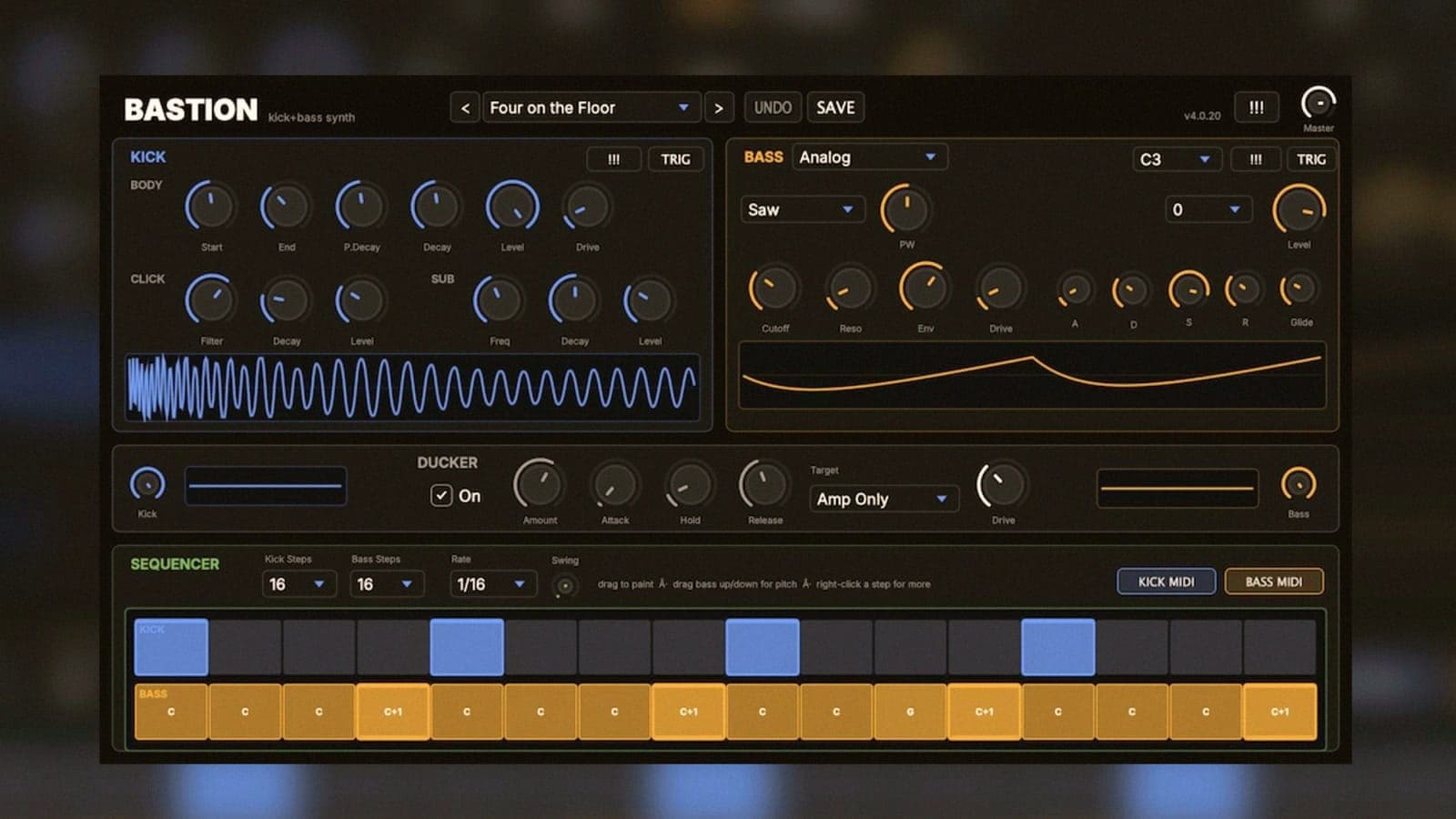
The relaunch covers 22 plugins in total, synths, virtual instruments and effects, rebuilt to run as VST3, AU and CLAP on macOS (Intel and Apple Silicon), Windows and Linux, with AUv3 support on iOS. The lineup includes Bastion (a kick and bass synth), Pressure (mono bass), Saffron (an FM synth), Looms (a sample slicer), Obstacle (a rhythmic filter) and Revenant (an algorithmic reverb), alongside the one genuinely new instrument: Tendril. Individual plugins sell for $5 to $10, and anyone who already owned the old bundle gets the new material as a free update, no repurchase required.
What makes Tendril worth the download?
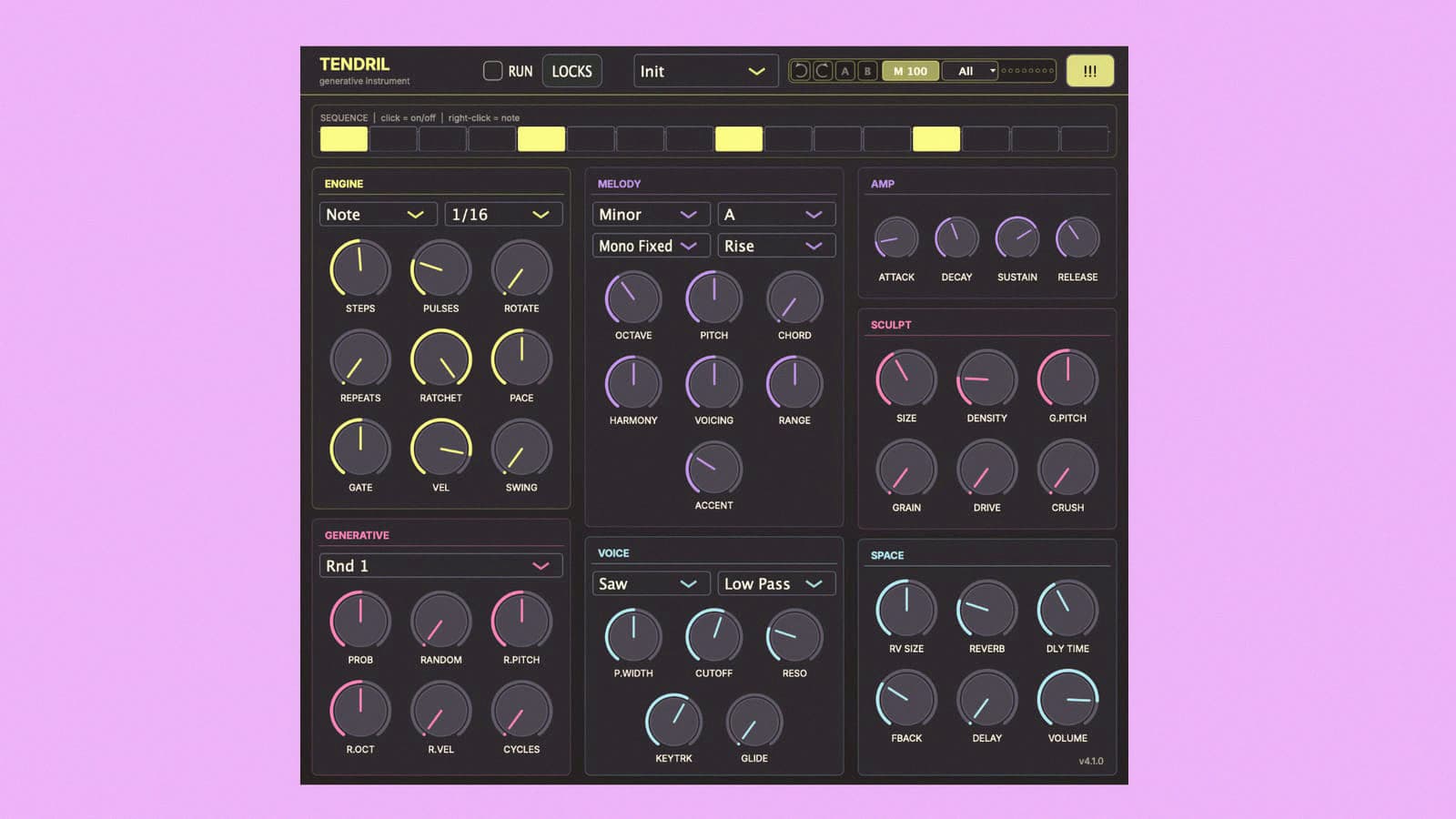
Tendril isn't a reissue, it's the reason for the relaunch. It pairs a Euclidean melodic sequencer, the same rhythm-distribution logic used in step sequencers like Elektron's, with per-note parameter locks, so each step in a pattern can carry its own pitch, tone or filter variation. That sequencer drives a subtractive engine (single oscillator, multimode filter, ADSR) through a granular sculpting stage and its own reverb, producing loops that keep mutating without ever losing their shape. It's aimed at the kind of evolving, semi-autonomous patch that used to demand a modular rack or a lot of patience inside a DAW.