Eight days from now, a civil chamber in Munich hands down a ruling that every producer who has ever uploaded a demo, stem or unreleased edit to a cloud drive should be watching. The case is GEMA versus Suno, and it may be the first time a court anywhere in the world rules directly on whether an AI music generator broke copyright law by training on existing songs.
What is actually being decided on July 31?
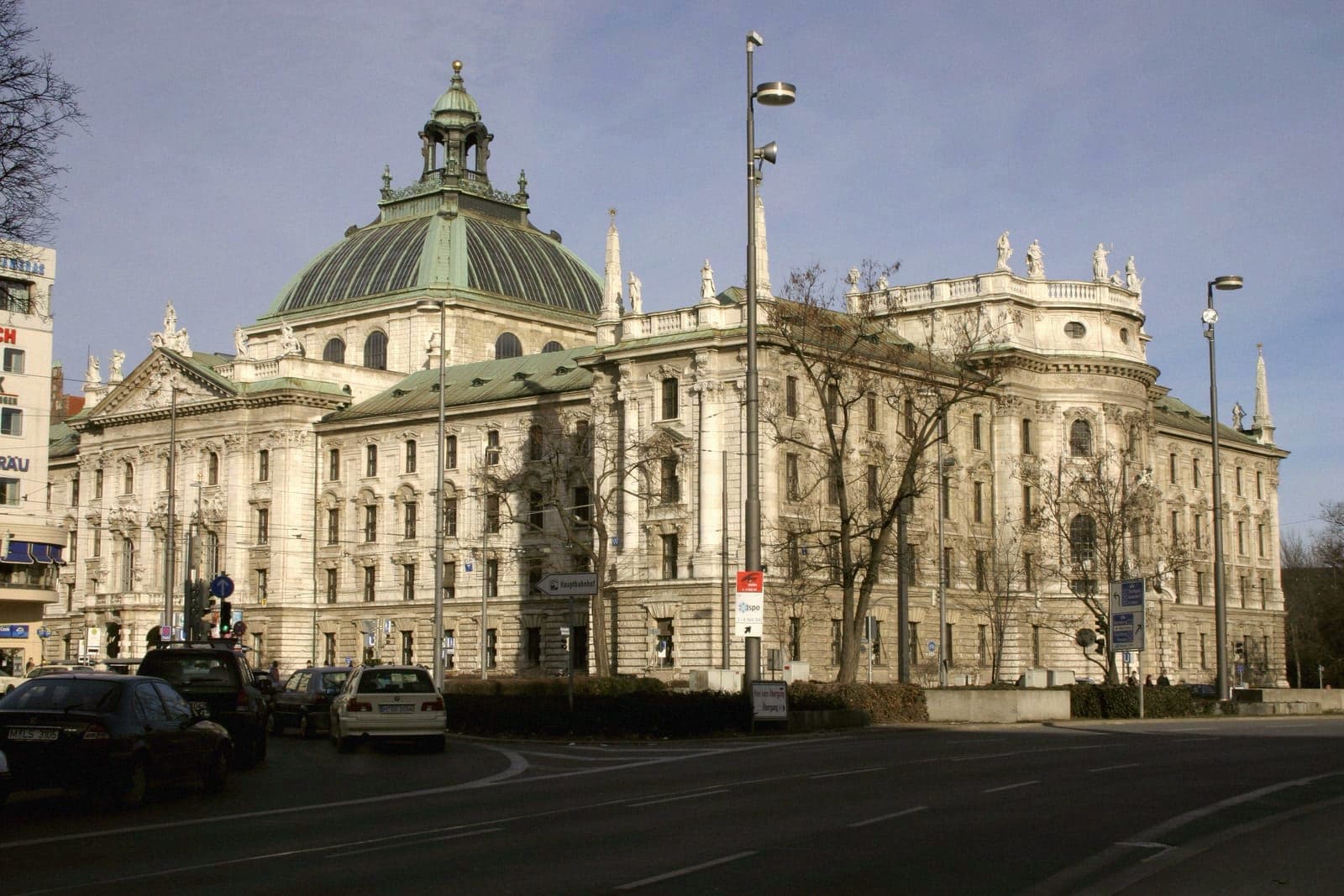
Judge Elke Schwager's 42nd Civil Chamber sits at 9am in courtroom 270 of the Munich Justizpalast to deliver a verdict in a suit GEMA filed in January 2025. GEMA represents more than 95,000 composers, lyricists and publishers in Germany plus over 2 million rights holders internationally through reciprocal deals, which is the scale that makes this case matter beyond one company's balance sheet. GEMA's claim is that Suno trained its generative models on copyrighted recordings without licences or compensation, then produced outputs close enough to the originals to count as infringement rather than inspiration.
The evidence GEMA put in front of the court in March was deliberately audible, not abstract. At that hearing, the judge had both the original recordings and Suno-generated tracks played back to back: Boney M's "Rasputin" and "Daddy Cool", Alphaville's "Forever Young" and "Big in Japan", Lou Bega's "Mambo No. 5", and Kristina Bach's "Atemlos". GEMA's argument is that the AI outputs carry recognisable melodies, harmonies and rhythmic signatures from those six songs, not generic genre pastiche.
GEMA's case rests on a simple test: can a listener recognise the original song inside the AI's output. If the answer is yes, GEMA argues, training without a licence isn't research, it's reproduction.
Why did the verdict slip from June to the end of July?
Suno tried to get Judge Schwager taken off the case, pointing to a previous ruling he made involving OpenAI as grounds for bias. The recusal bid failed, but resolving it pushed the original June 12 verdict date back six weeks to July 31. That procedural skirmish matters for one reason: it shows Suno treating the identity of the judge as a live variable in a case it clearly expects to lose or at least fight hard on appeal.
German civil procedure adds its own twist. A first-instance ruling here can be enforced immediately while an appeal to the Higher Regional Court runs in parallel, which means a GEMA win on July 31 could let the society seek an injunction against Suno's operations in Germany, and by extension its European reach, well before any appeal is resolved.
Why does one German court matter to producers everywhere?
There are more than 125 active AI-copyright lawsuits running globally right now, with combined claimed exposure north of $50 billion, most of them tied up in US courts that aren't expected to reach a verdict before 2027. Munich getting there first means the initial legal language on what counts as unlawful AI training on music, anywhere, gets written in German civil court, not in California or New York.
For anyone releasing music through a label, a distributor or GEMA-style collecting society in Germany, or anywhere GEMA has reciprocal agreements, this verdict sets the practical starting point for whether AI platforms owe licensing fees for the catalogues they've already ingested. A GEMA win doesn't just fine Suno, it hands every collecting society on earth a template complaint. A Suno win tells every AI music company that training on commercially released catalogues without a licence is, for now, defensible in court.
Why it matters
Whichever way Judge Schwager rules, July 31 sets the opening precedent that every other AI-music lawsuit worldwide, and every future licensing negotiation between labels and AI platforms, will be measured against.
What we think
This case was never really about six 1970s-to-90s pop songs. It's a stress test for whether collecting societies can force AI platforms into the same licensing regime that streaming services eventually accepted. Underground producers rarely have GEMA's legal muscle behind them individually, which is exactly why this verdict, decided by one judge in one courtroom, will end up setting the terms for a fight most of the scene isn't in a position to fight alone.