Berlin clubs almost never get a happy ending, so read this one carefully for the mechanics. On 15 December 2025, weeks before it was due to shut for good, Wilde Renate signed a new lease for another 10 years. The detail that matters for every other threatened venue in the city is who unlocked it: not the culture department, but Berlin's economic-affairs office under senator Franziska Giffey.
How was Renate actually saved?
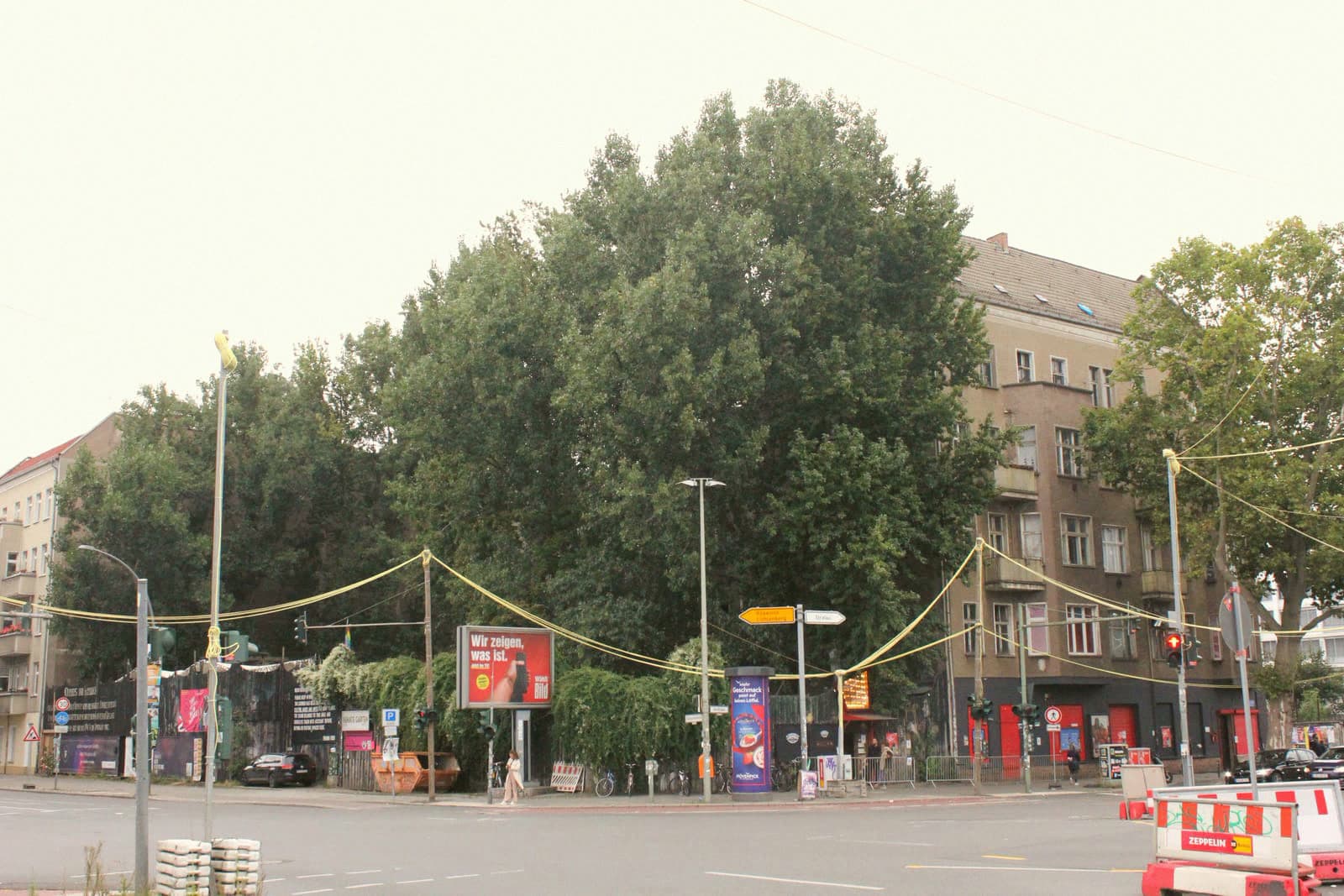
The Friedrichshain club, open at the Osthafen since 2007 as Salon zur Wilden Renate, announced in August 2024 that it would close at the end of 2025 once its lease ran out. The team could not reach terms with the building's private owner, and the public goodbye began.
Then the backchannel worked. In its own words, after "months of uncertainty, the foundations for a new collaboration were laid and on December 15 we received a new rental contract for another 10 years." The club credits Giffey, Berlin's senator for economic affairs, energy and public enterprises, with the "legal support and guidance" that, as Renate put it, helped them "navigate some of our hardest times." The deal came with a new operating company and a structural overhaul.
Why does the department that helped matter so much?
This is the part the scene should internalize. Clubsterben is usually framed as a culture story, and culture departments have almost no leverage over a private landlord's lease math. An economic-affairs office does. It can treat a club as a business and an employer, get the right people in the room, and broker a commercial deal the culture portfolio simply cannot.
The lesson is not that Berlin loves its clubs. It is that framing nightlife as economy, not heritage, is what put a signature on a 10-year lease.
That reframing is the whole game across Europe right now, from Germany's push to reclassify clubs to the UK's fight for legal recognition. Renate is the proof of concept in miniature: when a venue is argued as jobs, turnover and infrastructure, doors open that sentiment keeps shut.
What happens to the club now?
Not business as usual on day one. Owner Robert Kreissel was candid: "We need to essentially restart the club, rebuild the team, reorganise organisational processes, start new bookings and plan for a future that has come as a welcomed surprise." Renate planned an 86-hour New Year's party to close out 2025, then a temporary shutdown to rebuild. There is also damage to repair, a June 2025 fire tore through much of the outdoor area before crews saved the main building. A 10-year runway buys the time to do it properly.