The supersaw is dance music's most recognizable shortcut: stack seven or more detuned sawtooth waves, widen the stereo field, and you get the instant euphoria sound that built Eurodance, trance and half of modern EDM. It's also the preset every serious producer learned to avoid, because it's the fastest way to sound like you didn't try.
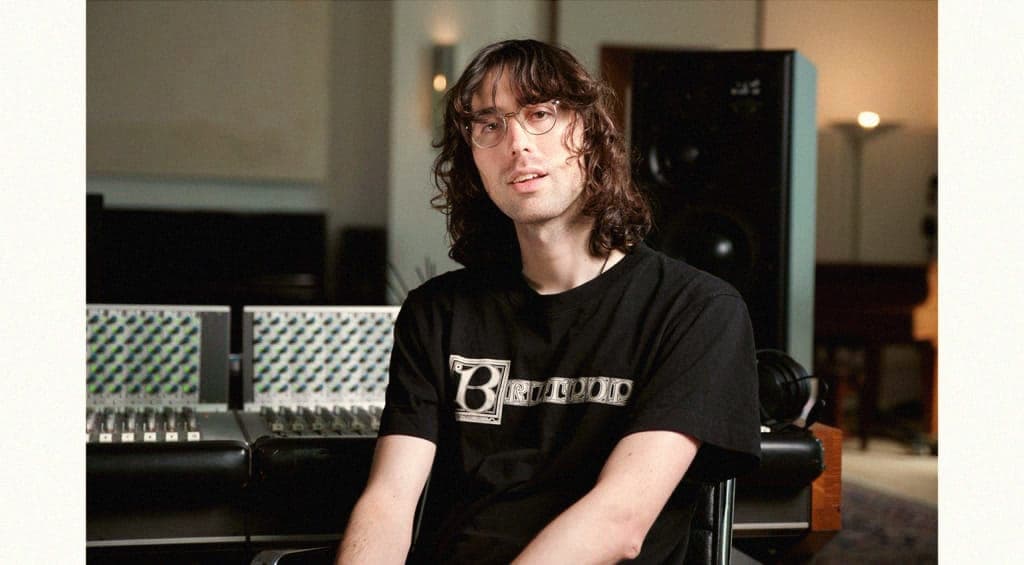
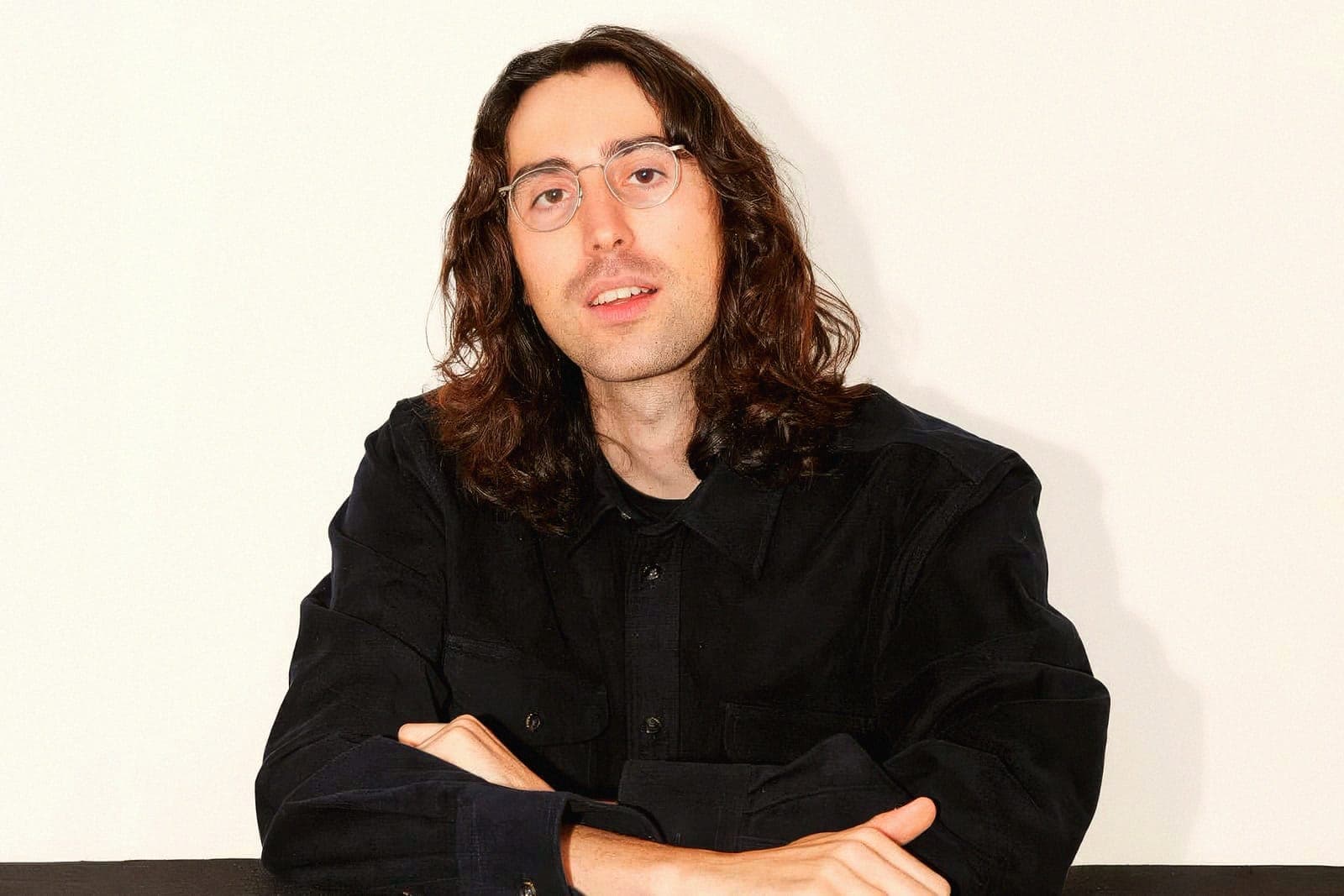
So it's a strange pairing on paper: A.G. Cook, the PC Music founder who built his name on maximalist, hyper-detailed pop production for Charli xcx, Caroline Polachek and Oklou, spending two years with Native Instruments to design a new synth around exactly that sound.
What does Super*Saw actually change about the sound?
Under the hood, Super*Saw runs two independent 16-saw oscillator banks with an X/Y morpher that blends between four distinct patch states. That's a meaningfully different architecture from a single detuned-saw stack: instead of one static wall of sound, producers can morph continuously between different textures, from the recognizable trance-lead stack to something closer to a shimmering chord pad. The preset library covers leads, basses, stacks and chords, which pushes the tool well past the one-trick lead sound the supersaw is known for.
Why does A.G. Cook's name matter here?
Cook didn't just license his name. Native Instruments says the patches are built from his own sessions and reflect the production signatures that show up across his recent pop work. That's the real hook: an artist who made his reputation pulling pop production apart and rebuilding it in unexpected ways is now the credited architect behind a rework of dance music's most generic sound. It's a credibility transfer in both directions, Native Instruments gets an artist collaborator with real underground and pop cachet, and Cook gets his sonic fingerprint baked into a tool used across genres far from PC Music's orbit.
Super*Saw is built directly on Cook's own sessions and patches, not just branded with his name.
Who is this actually for?
On the hardware side, Super*Saw integrates with Komplete Kontrol keyboards and Maschine, keeping it inside Native Instruments' existing ecosystem rather than launching as a standalone curiosity. At 99 euros it's priced as an accessible add-on rather than a flagship synth, which suggests Native Instruments is betting on volume: producers across house, pop and hyperpop picking it up as a quick way into a sound that usually takes real sound-design work to make interesting.
Why it matters
The supersaw has been a cultural punchline in underground dance circles for years, shorthand for lazy, generic drops. Putting a credible art-pop producer's name and actual session data behind a rework is a real attempt to reclaim the sound rather than just repackage it, and it could push the supersaw back into productions that have spent a decade actively avoiding it.
What we think
The architecture is genuinely more interesting than a stock supersaw preset, two oscillator banks and a morpher is a real sound-design upgrade, not just a skin. But 99 euros and a famous name attached to a sound this maligned is also an easy nostalgia play, and the real test isn't the plugin's specs, it's whether producers outside Cook's own pop world actually reach for it instead of just talking about it.