What makes Track ID different from Shazam?
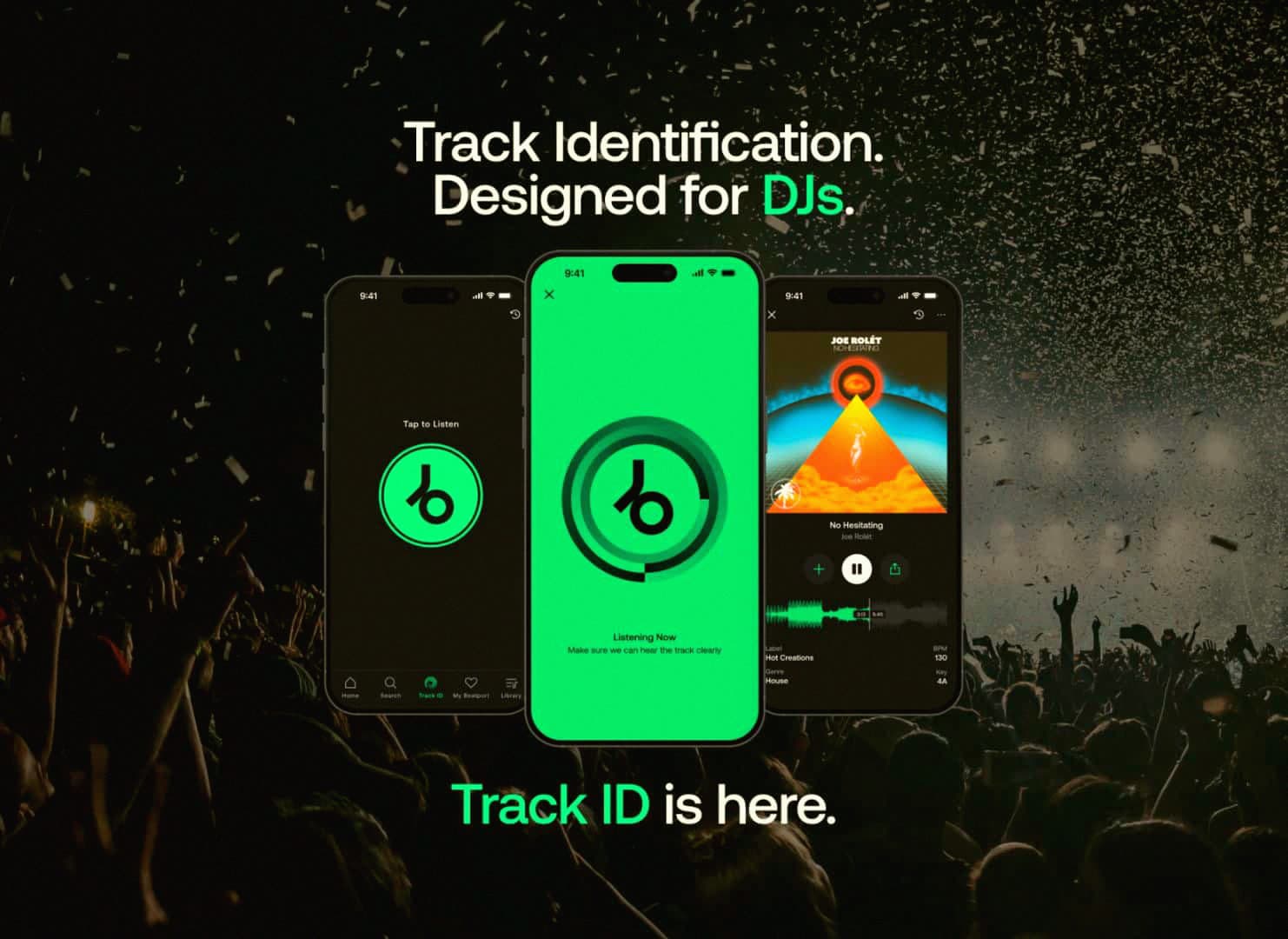
Every DJ knows the standoff on the floor: a track is destroying the room, you hold up your phone, and the usual recognition app just spins. It was trained on radio and recorded releases, not on a track that has been pitched up two percent, time-stretched, layered under an acappella and pushed through a Funktion-One. That is the gap Beatport is going after with Track ID, a recognition feature it dropped inside its mobile app on May 12, 2026.
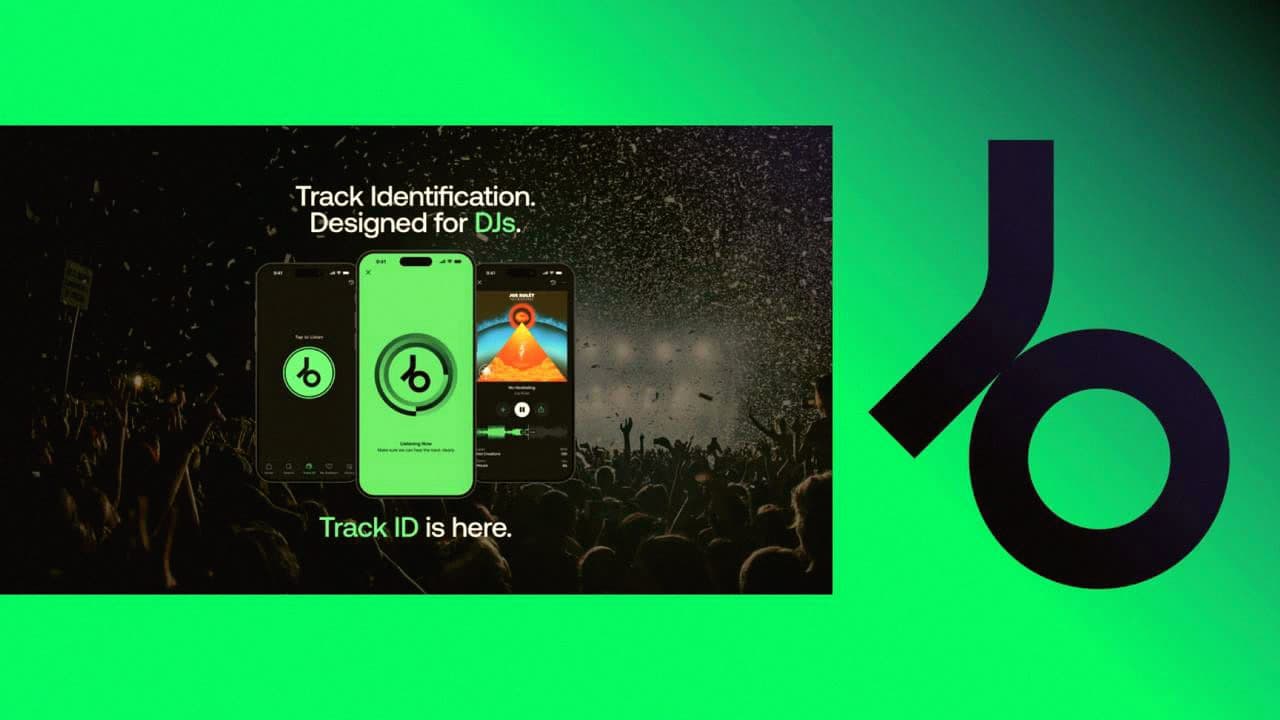
The pitch is that it is tuned for exactly the conditions that break a normal app: pitch-shifted edits, time-stretched blends, overlapping tracks and the wall of crowd noise at a festival. You tap the Track ID icon, let it listen, and it returns the result, then a buy link if it is on the store. Beatport built it with seeqnc, a Vienna and Berlin based AI company whose whole focus is music recognition and copyright identification at scale.
Could it actually get producers paid?
This is the part that should interest anyone who makes records rather than just plays them. Performance royalties for music played in clubs are a notorious black hole: collection societies cannot pay out on a set nobody wrote down, so the money for the unknown white-label or the dubplate often simply never reaches the producer.
Recognition is the easy headline. Accurate setlist data that pays the people who made the track is the actual prize.
Beatport has said the longer game for Track ID is feeding better setlist reporting, showing where and when a track was played out so the royalties can follow. That is a much bigger idea than naming a tune at the bar. Whether the data ever reaches the societies that cut the cheques is the open question, but a recognition engine built for real club conditions is the first piece that has to exist.