Berlin's club deaths usually get told as a property story: a landlord sells, rent triples, a room goes dark. The A100 rewrites that script. The body deciding whether ://about blank, Club OST and a dozen of their neighbours survive isn't a developer. It's a transport ministry building a motorway that was first drawn on a map in 1935.
What actually opened in August 2025?
On 28 August 2025, Berlin opened the 16th stage of the A100: a 3.2 kilometre link from Neukölln to the Treptower Park junction, dug as a trench around seven metres deep and built over roughly 12 years at a cost of 721 million euros. Around 100 people protested at the opening, and one local politician called it the most absurd road in Germany. That stretch is finished. The fight is about what comes next.
Which clubs are actually in the path?
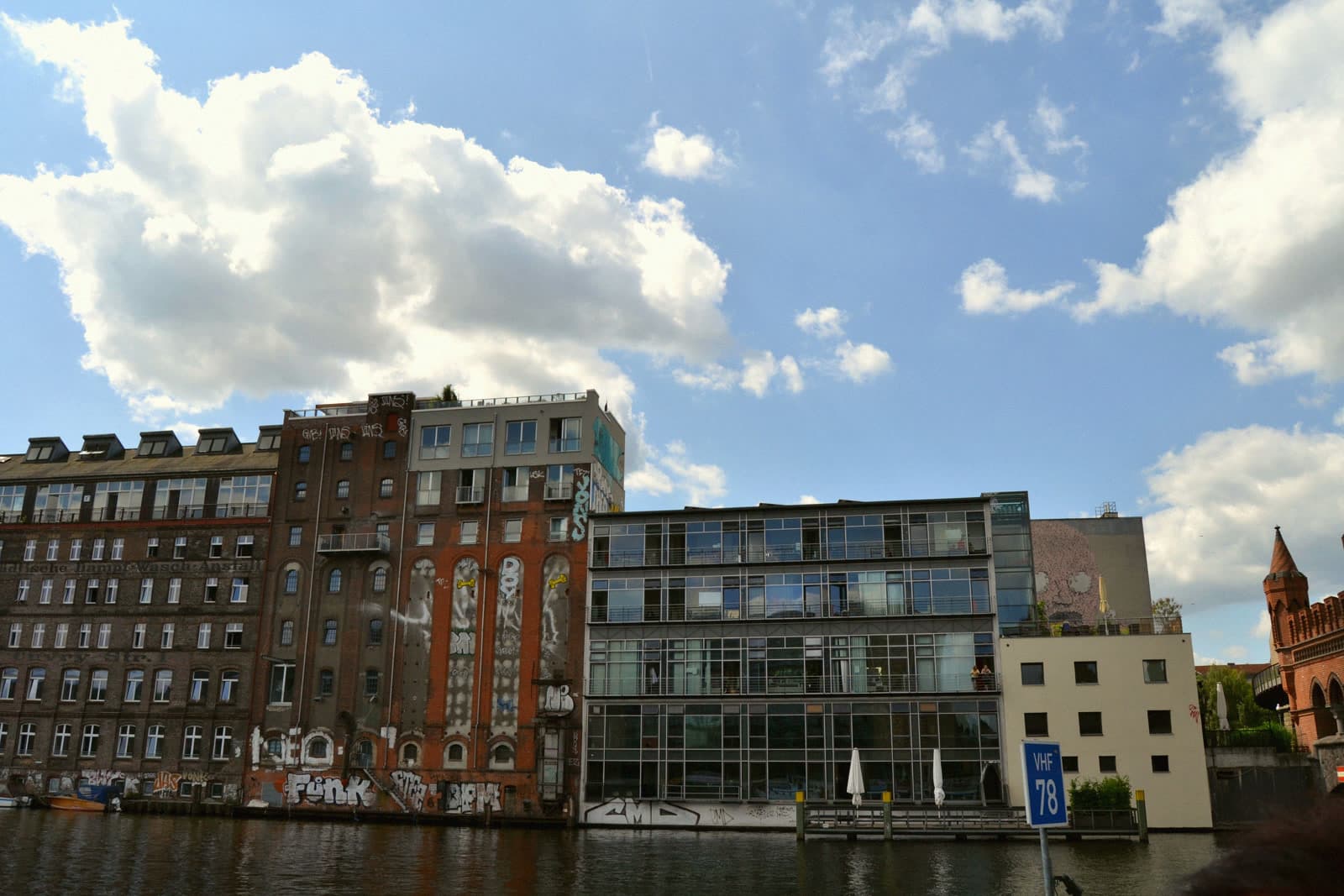
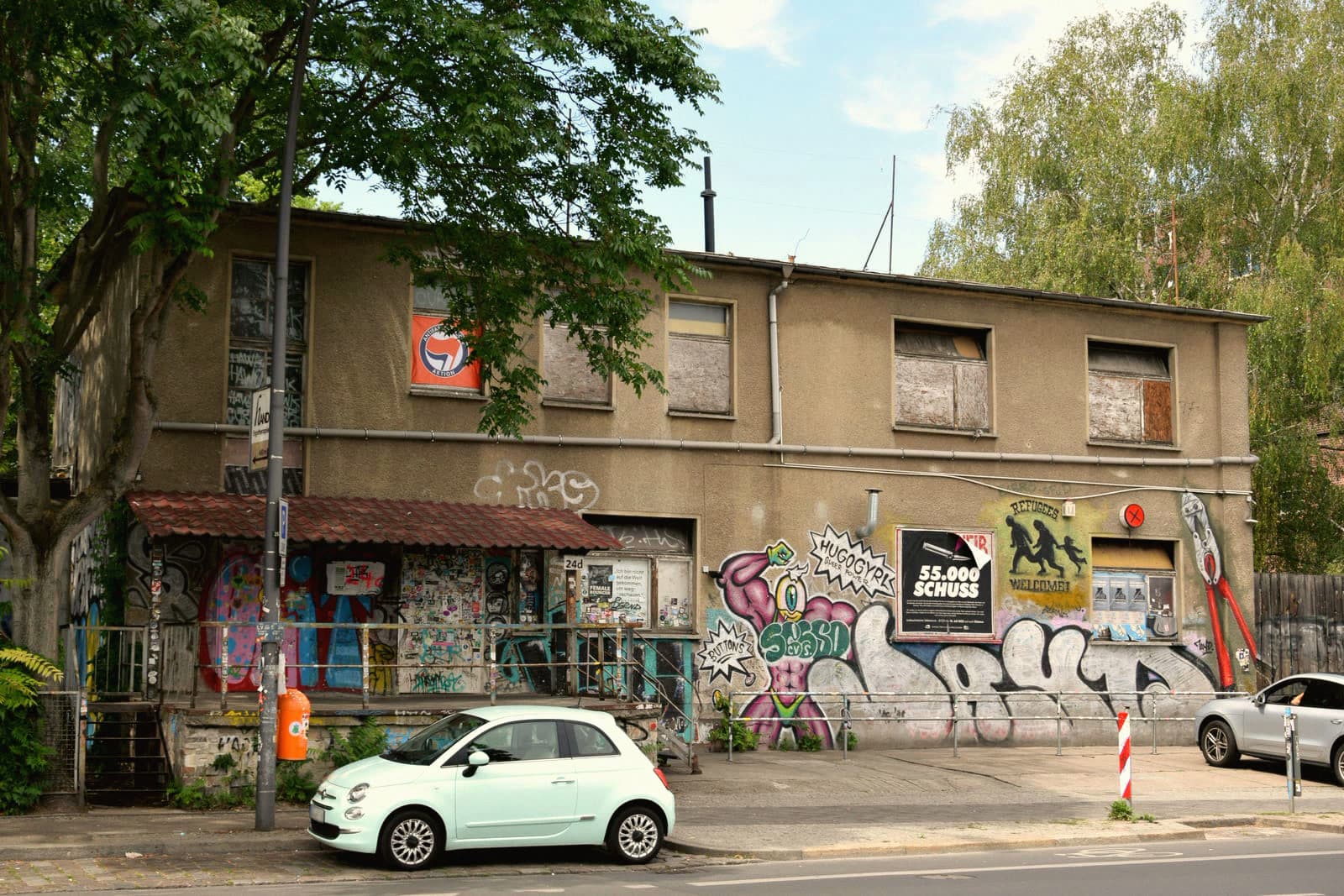
The planned 17th stage would push the motorway on from Treptower Park toward Storkower Strasse, crossing the Spree and cutting through the dense cluster of nightlife around Ostkreuz. The Clubcommission puts roughly 21 cultural venues inside that corridor. The named casualties read like a map of contemporary Berlin: ://about blank, Club OST, Salon Zur Wilden Renate, ELSE, OXI and the newer Club M01, plus the bar Zuckerzauber, the skatepark E-LOK, the independent cinema Zukunft and the cocktail bar Krass Böser Wolf.
"In total, there are about 21 cultural venues that are in the area of this continuous autobahn construction, which is extremely threatening." Lutz Leichsenring, Clubcommission
Why can't anyone just say yes or no?
That is the quiet cruelty of it. The 17th stage has sat on planning maps since 1935 and still has no green light, so the venues live in limbo: the city won't guarantee long-term permission, and if the road were scrapped tomorrow the same land would likely flip to developers and surging rents. The politics split cleanly. The Greens and the SPD oppose the extension; the CDU, FDP and AfD support it. Experts think building it could cost over a billion euros, more than the stretch that just opened. So a room's survival now hinges less on its door numbers than on a coalition arithmetic decided far from any dancefloor.