What did the German cabinet actually approve?
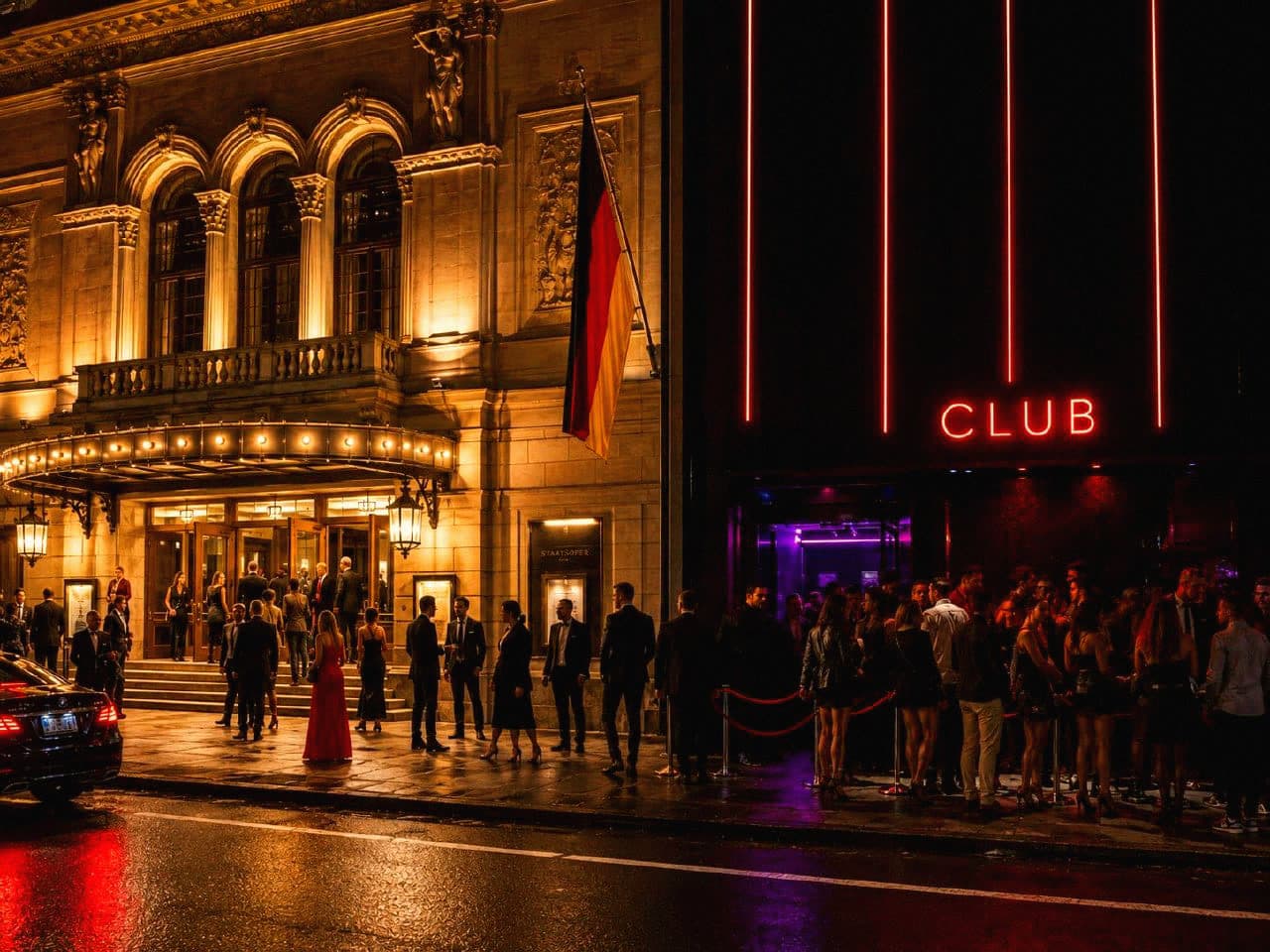
For planning purposes, a German nightclub has long sat in the same legal box as a casino, a strip club or a brothel: an amusement venue, something a city zones away from where people live and work. On June 2, 2026 the federal cabinet under Chancellor Friedrich Merz signed off on a draft that pulls clubs out of that box and reclassifies them as cultural and artistic venues, in the same family as theatres and concert halls.
The shift sounds bureaucratic. It is not. Classification decides where a venue can legally exist, how it is treated when a neighbour complains about bass, and how exposed it is when a developer buys the building next door. Move a club from vice to culture and you change the answer to all three.
Why does this matter beyond Germany?
Because Germany, and Berlin above all, is the gravitational centre of global club culture. A legal template that treats the dancefloor as cultural infrastructure is something every city losing venues to rent and redevelopment can point to. The trade body LiveKomm has pushed this line for years.
The club owners we represent operate more like a theatre, curating artists, nurturing emerging talent.
That is LiveKomm board member Marc Wohlrabe, and it is the whole argument in one sentence. The reform answers Clubsterben, the slow bleed that has taken Watergate, Wilde Renate and others off the map. It is not law yet: the Bundestag and Bundesrat still have to pass it. But with cross-party backing reported, the country that exported techno to the world may be about to give it legal cover at home.