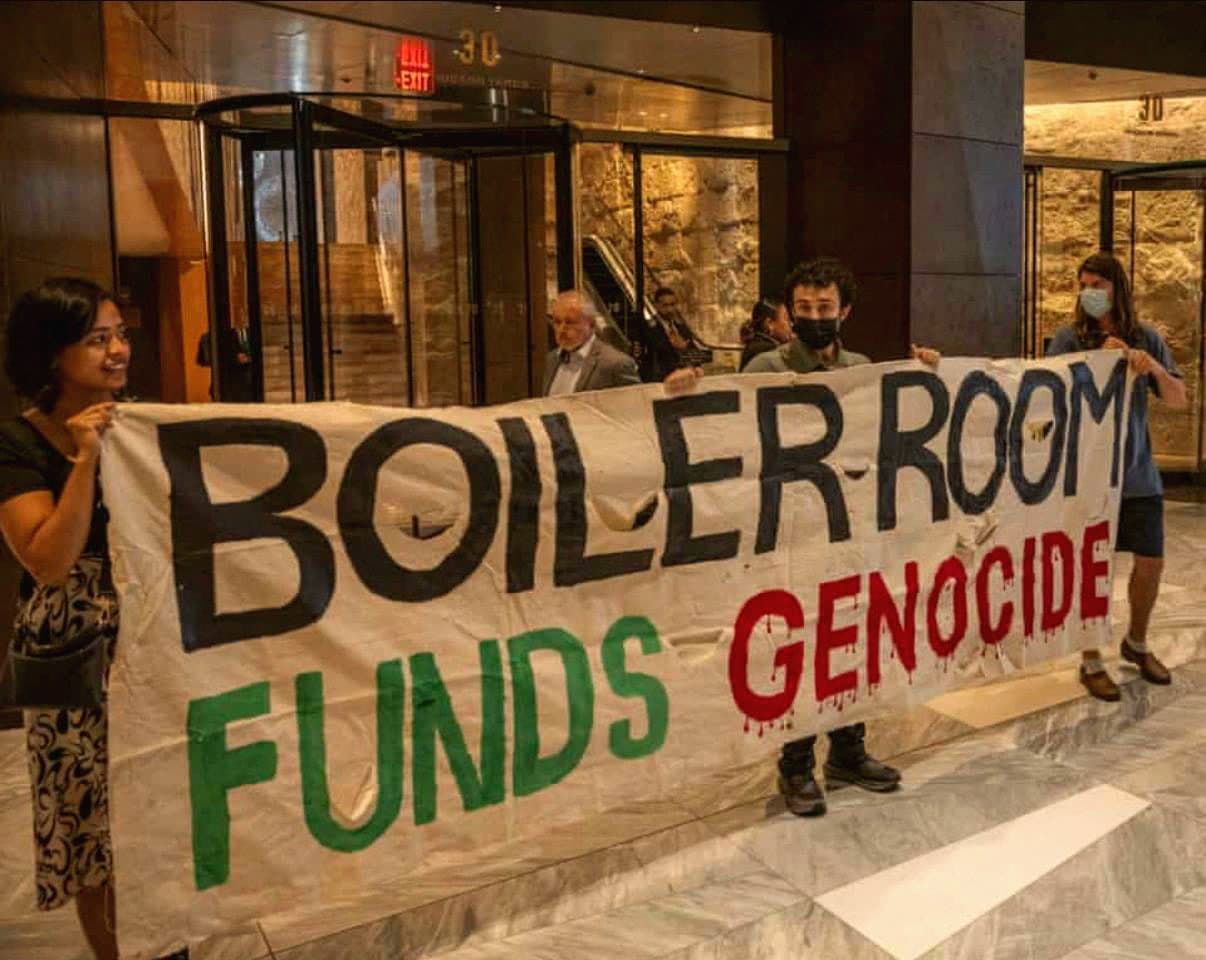
Two weeks ago, Boiler Room's KKR problem looked like one bad night in New York. It isn't anymore.
How far has the boycott actually spread?
Boiler Room built its brand on being everywhere at once, and the backlash against its ownership is proving just as portable. DJs Slugo and Clent both withdrew from Boiler Room bookings in early July 2026, citing the platform's ownership by KKR. Days later, New York DJs Sister Zo, Ella Hussle and Noel Spiva turned down lucrative Boiler Room dates for the same reason, according to Unicorn Riot's reporting. The ripple has since reached Detroit, Los Angeles, Kuala Lumpur, Tokyo, Puerto Rico, São Paulo, Lisbon and the Bay Area, where boycott-linked cancellations have been reported. Nepal-based collective KAALO went further and publicly ended its collaboration with Boiler Room altogether.
That is not a fringe protest anymore. It is a routing problem for a brand whose entire product is other people's willingness to show up and play for exposure.
What is Boycott Room actually accusing KKR of?
The organizers behind the campaign, who go by Boycott Room, argue that Superstruct Entertainment's owner holds stakes tied to weapons manufacturing, the Coastal GasLink pipeline, and firms operating in the Occupied Palestinian Territories, and that Boiler Room's continued operation under that ownership makes every booking a tacit endorsement. KKR has not publicly answered those specific allegations. What is undisputed is the ownership chain itself: KKR took a majority stake in Superstruct for roughly 1.3 billion euros in June 2024, and Superstruct bought Boiler Room outright from DICE in January 2025, putting a platform built on underground credibility two layers under a private equity fund.
The flashpoint for this current wave was the July 10 and 11 die-in during Boiler Room's Under The K Bridge takeover in New York, where protesters lying on the ground were trampled and security waited eighteen minutes to step in.
Did the pressure already cost Boiler Room its CEO?
Unicorn Riot's reporting draws a direct line from the sustained boycott to two events Boiler Room would rather not discuss together: a round of what were described as substantial layoffs in November 2025, and the January 2026 departure of co-founder and longtime CEO Blaise Bellville. Neither Boiler Room nor KKR has confirmed that link publicly, and correlation is not the same as cause. But for a company whose entire value proposition is artist trust, losing the founder who built that trust while also cutting staff is a hard coincidence to spin as unrelated.
For a promoter whose product depends entirely on artists agreeing to show up, a boycott that keeps adding cities is not noise. It is the business model failing in real time.