Brazil has been one of dance music's biggest crowds for years and one of its worst-served storefronts. That gap is what Beatport turned up in Rio to close.
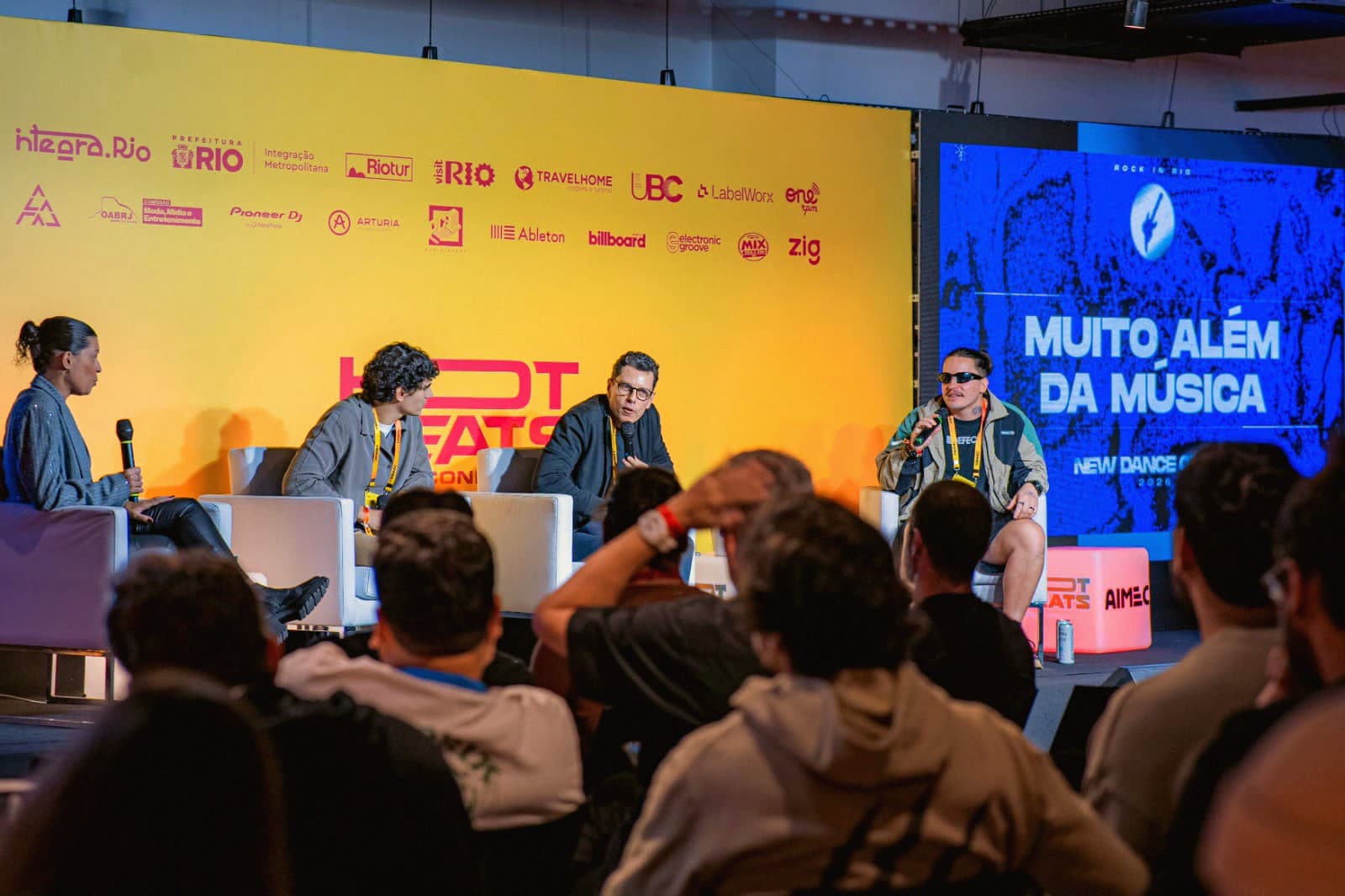
The occasion was the Hot Beats Music Conference, run 21 to 24 May 2026 across the Hotel Nacional and a string of Rio rooms including D-EDGE Rio and a party up in Vidigal. Co-founders Rafael Nazareth and Raphael Porto put together more than 1,500 attendees, 150 speakers, 40 panels and 20 workshops, with Amsterdam Dance Event signed on as an official partner. The headline the organizers wanted, and got, was Brazil as one of the most strategic markets in the world.
What did Beatport actually announce?
Beatport's global representative Raphael Pujol showed a documentary clip on Brazilian funk and walked the room through its spread on international floors. The store's Brazilian Funk genre is not new, it went live in April 2025, sitting alongside funk carioca and the mandelao and BH strains. What was new in Rio was the business end: subscriptions priced in reais at a 60 percent discount, the site now defaulting to Portuguese for Brazilian users, and a Discover Brazil spotlight page.
Read plainly, that is a company that had priced itself out of a market admitting as much, and trying to buy its way back in before the catalog moves somewhere else.
Is the top-10 claim real?
The people on stage think so. ADE's head of programming Wiecher Troost said Brazil is one of the countries pushing electronic music hardest worldwide and that funk is already being exported. Pujol said funk is growing fast globally, with DJs folding its vocals into their sets. Funk artists were in the room too: MC GW put it bluntly, saying reggaeton abroad is worn out and people are leaning on fonk instead.
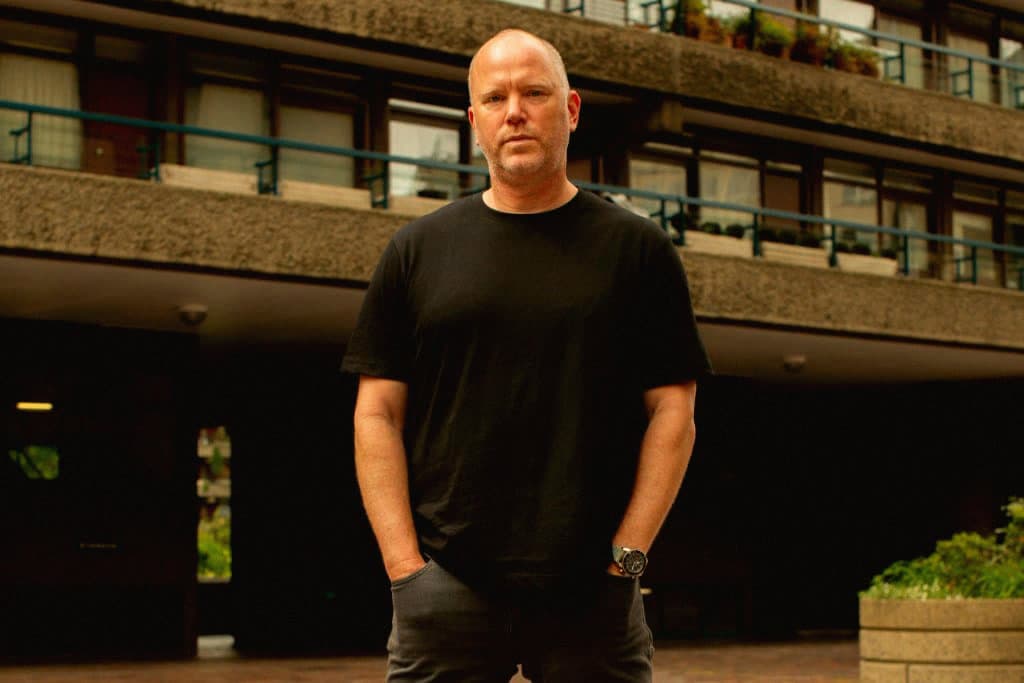
The sharper data point came from Peter Strauss, director of operations at the composers' body UBC.
I had a preconceived notion that electronic music consumption in Brazil was predominantly foreign, but that is not quite right.
Consumption skews local. That single line reframes the whole event: this is not an import market to be sold European house, it is an export market that the global trade is only now pricing correctly.
Who gets paid?
This is where the optimism needs a floor under it. Funk was built in Rio's bailes on cheap gear, 808s and files that circulated for free, and it went global through TikTok and edits, not through paid downloads. A genre tag and a Portuguese checkout do not, on their own, route money back to the periphery that made the sound. Whether the splits work for funk's originators, and not only the DJs sampling them onto bigger stages, is the part worth watching after the panels clear out.