The most valuable thing a young producer can own right now is not a record. It is a clip: a phone-shot wall of hands going up, a drop landing, ten thousand people apparently losing it to your track. That clip is what bookers scroll and what labels chase. So a wave of producers stopped waiting to earn one and started manufacturing it, dubbing their own music over footage of established DJs' crowds and letting the internet assume the rest. The booth used to be where you proved yourself. Now it is the timeline, and the timeline can be faked.
How does the fake co-sign actually work?
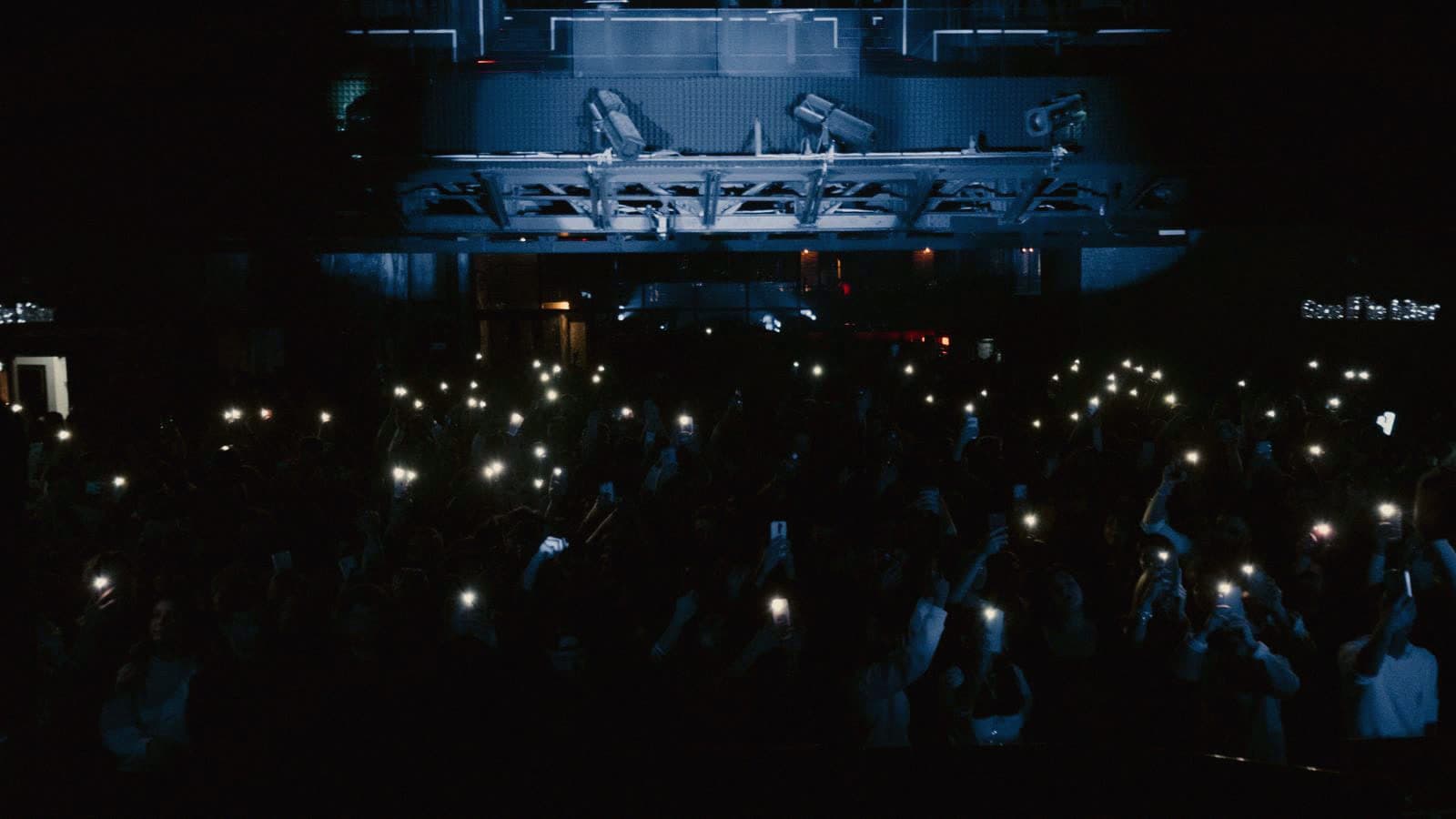
The basic move is almost insultingly simple. You take footage of a big DJ playing to a heaving room, you lay your own track over the top, you post it, and the comments fill in a story you never lived: that your music is blowing up, that it got played to thousands, that someone who matters is behind you. No claim has to be made out loud. The crowd does the lying for you.
The Chainsmokers' Alex Pall surfaced the practice in a LinkedIn note in early January, and his read cut both ways. He called it "kind of genius, kind of dishonest, but just really interesting to watch," describing the trick as "just someone pasting their song over a clip and letting the internet fill in the rest." Then he landed the real question: "If it's that easy to fake momentum, then what does 'support' even mean anymore?"
When does borrowing a crowd become stealing a face?
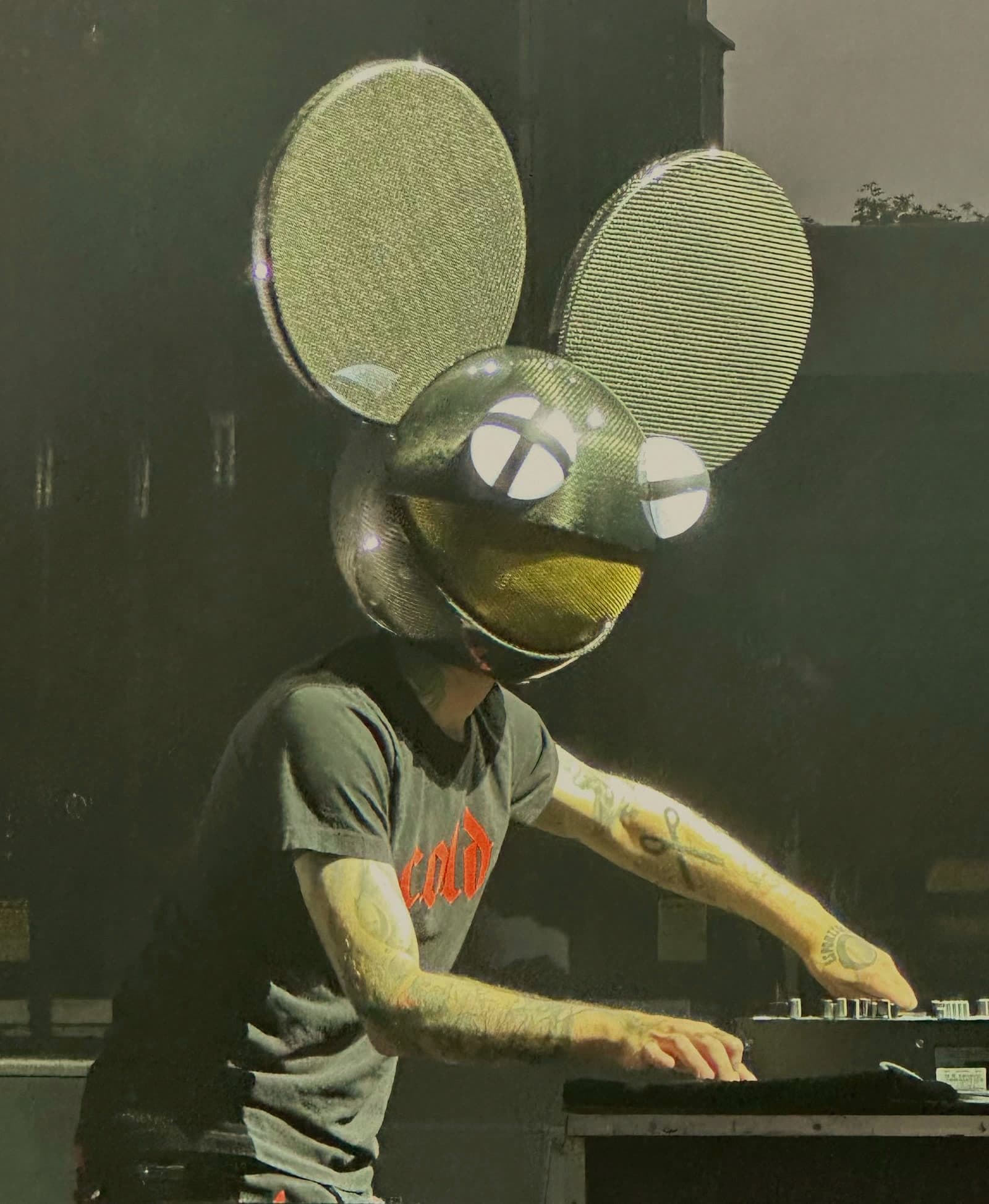
The overlay trick has an uglier cousin, and deadmau5 ran straight into it. On 11 February he woke to find an unknown DJ's Instagram story showing a fabricated clip of him personally endorsing that producer's music. It was, in his words, "fully AI-generated, voice wasn't quite 100% but pretty damn convincing." His verdict was shorter: "Fucking scary as fuck." He declined to name the producer, saying he had no interest in promoting him, and pointed out that he only ever backs other artists' work "in an authentic way during a stream or interview piece."
If it's that easy to fake momentum, then what does support even mean anymore?
That is the spectrum in two stories. At one end, a borrowed crowd and a plausible lie of omission. At the other, a manufactured human being saying words he never said. Both run on the same fuel: a scene that now treats viral proof as the entry ticket.
Why is the whole industry so easy to fool?
Because the industry rebuilt its A&R around exactly the signal these fakes counterfeit. Lawrence Jones of Mutual Friends estimates video promotion has gone from 15 to 20 percent of an artist's marketing strategy to around 80 percent since 2015. Martin Kandja Kabamba of NOAB London is blunt about the bar: labels now sign off the strength of social clips showing "reactions," and it can take 10 million-plus views to earn serious attention. When the gate is a view count, someone will counterfeit the view count.
The legal scaffolding is scrambling to catch up. deadmau5's lawyer, Dina LaPolt, is pushing the NO FAKES Act, short for Nurture Originals, Foster Art, and Keep Entertainment Safe, a bipartisan bill cosigned by senators including Blackburn, Coons, Tillis and Klobuchar and representatives including Salazar, Dean, Moran and Balint. It would turn a performer's voice and likeness into something they control and can defend, the digital-replica right deadmau5 was reaching for when he said artists "need to be in control of our own faces, voices, music."