Insomniac Events has closed out one of the messier ownership fights in US dance music, settling a year-long lawsuit with the trio who built Club Space and Factory Town into Miami's dominant electronic-music venue complex.
The promoter and its former partners, David Sinopoli, Davide Danese and Jose Gabriel Coloma Cano, confirmed the resolution in a joint statement, ending litigation that had dragged Insomniac founder Pasquale Rotella into personal allegations and put the future of two of the city's flagship rooms in question.
What was the fight actually about?
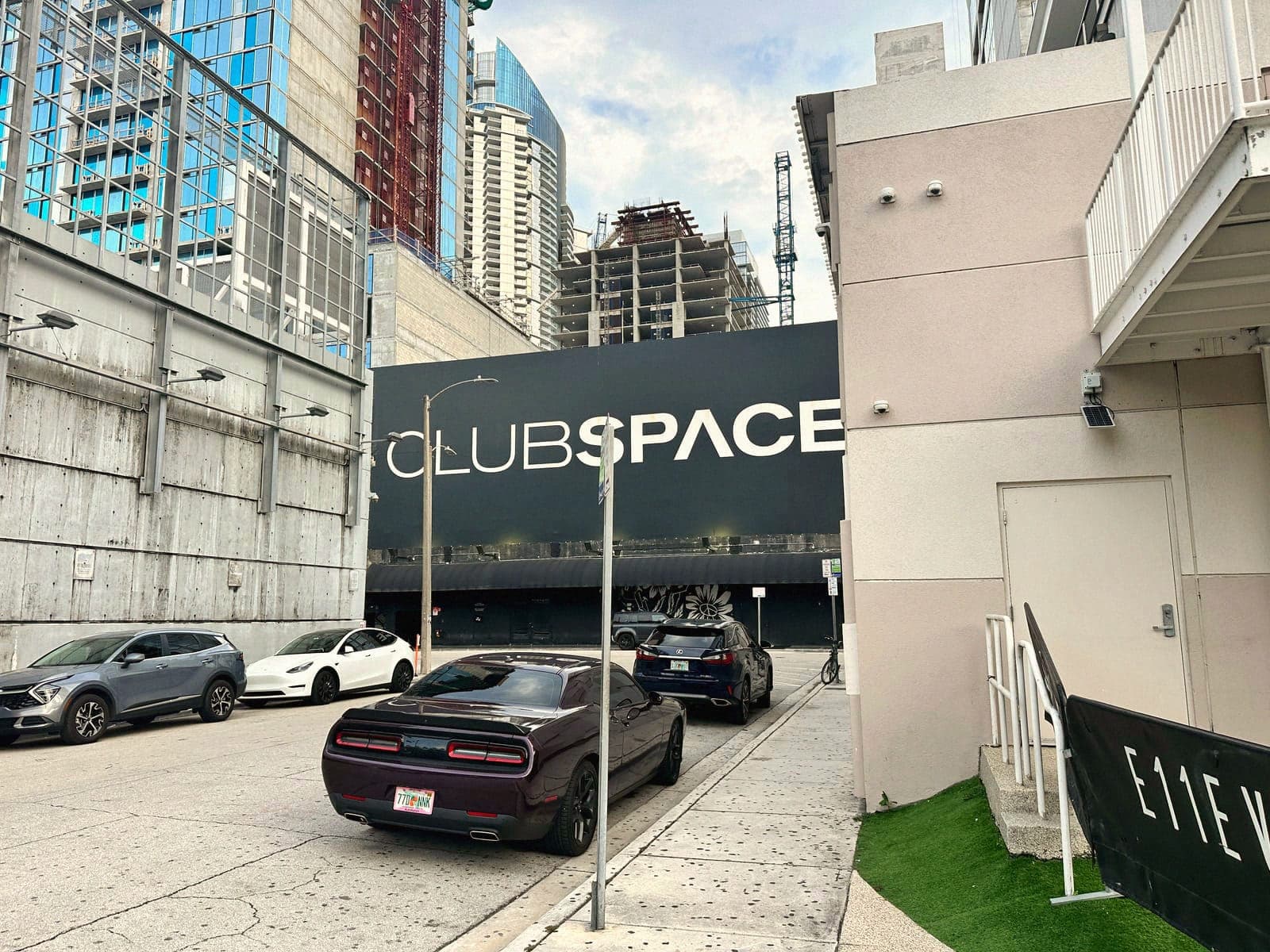
Insomniac bought into Club Space in 2019, joining Sinopoli, Danese and Coloma Cano, who had run the downtown Miami warehouse club together beforehand. The partnership expanded in 2022 to Factory Town, a seven-acre former mattress-factory site in Hialeah that grew into one of the country's biggest dance-music venues, anchoring Miami Music Week, Halloween and Art Basel programming.
The relationship soured in 2024 over Factory Town's revenue split and decision-making. Insomniac said its partners wanted a bigger cut and more control; the trio said Insomniac was quietly stripping their ownership stake while still leaning on them to cover operational and financial risk. A June 2025 mediation produced a proposed fix: Insomniac would pay $3 million to buy out the trio's Factory Town interest outright.
How did mediation turn into a lawsuit?
That deal unraveled within two months. By August 2025, Insomniac was suing, accusing its former partners of overstepping their authority on Factory Town and interfering with bookings and promoter relationships. The trio countersued in September, arguing the mediation agreement required joint sign-off on major programming, including the Hocus Pocus Halloween event and Factory Town's Art Basel slate. Their central exhibit: an offer Insomniac reportedly made to CircoLoco worth 44% more than the party brand's prior-year fee, made without their approval.
The countersuit also folded in personal allegations against Rotella, which Insomniac rejected as unrelated to the contract dispute and aimed at damaging his reputation.
Who keeps what now?
Settlement talks resumed in the fall, and attorneys told the judge in June 2026 that the parties had reached an agreement, clearing the case for dismissal. The split it describes is clean: Insomniac remains involved in running both Club Space and Factory Town, with Sinopoli staying on as an operating partner at both. Danese and Coloma Cano exit the Insomniac venues but continue running Jolene alongside Sinopoli, and say they will develop new projects on their own. Neither side has disclosed a dollar figure for the final deal.
Why does this matter beyond Miami?
Insomniac is best known for festivals, EDC chief among them, not for operating standing clubs. Club Space and Factory Town were a real bet that the country's biggest dance-music promoter could also run venues year-round, competing directly with the operators who built the rooms in the first place. A messy, litigated split over booking authority and equity is exactly the risk that comes with that bet, and it's a live warning for any promoter chasing the same model: shared ownership only works if the contract actually specifies who signs off on the booking.