Why doesn't a mayoral override fix a cumulative impact zone?
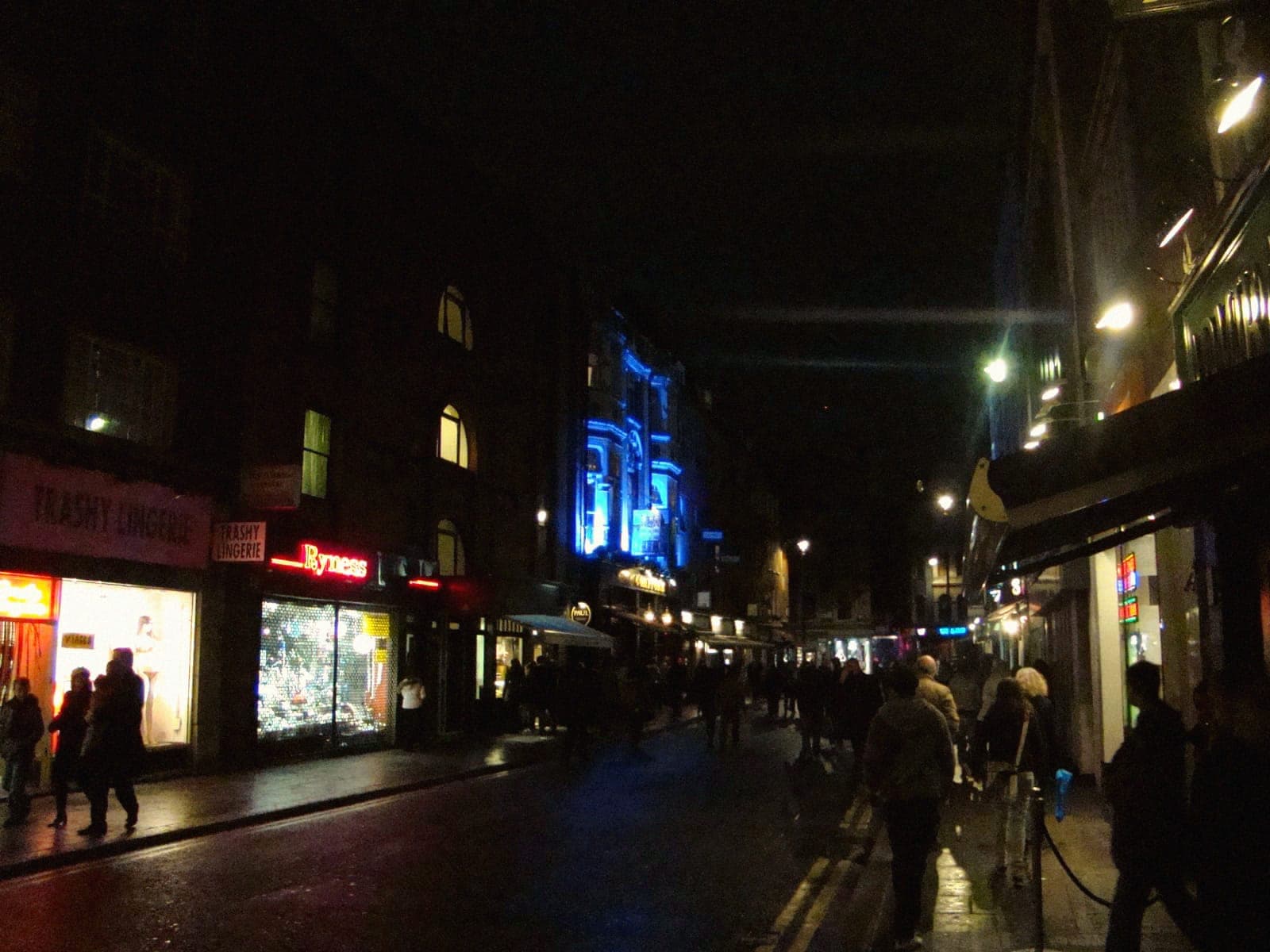
Because a cumulative impact zone is not a single decision, it's a standing policy. Westminster Council classifies Soho this way, which means the borough can refuse practically any new hospitality licence application unless an operator can show 'exceptional circumstances', and it caps new openings at 11:30pm. Sadiq Khan's new call-in power, granted by government to let City Hall overturn a borough's licensing refusal in areas judged strategically important, is built to reverse individual rulings. It was never designed to dismantle a zone-wide policy in one move, and as of July 2026 Khan himself describes it as taking effect only 'once in force': not yet live.
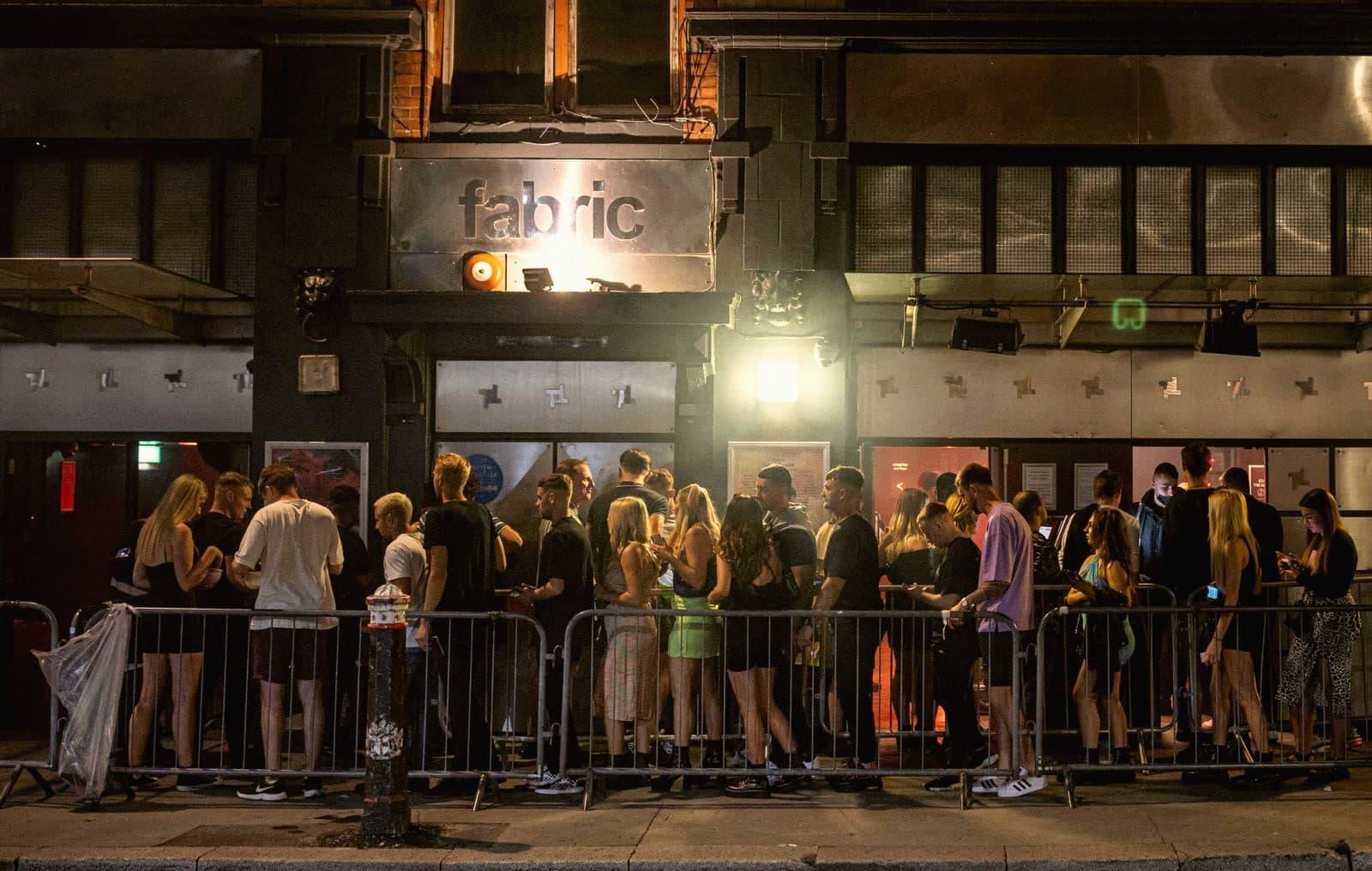
That gap is exactly what West End club owners are pointing at. Speaking to SW Londoner on 3 July 2026, operators in the district said increasingly restrictive licensing rules are pushing venues to their economic limits and stifling growth, and that Khan's promised autumn reforms are, at best, a maybe against a policy environment that is squeezing them now.
Increasingly restrictive licensing policies are pushing venues to their economic limits and stifling growth.
What did London's Nightlife Taskforce actually recommend?
The Taskforce, an independent panel chaired by fabric co-founder Cameron Leslie and backed by VibeLab, the Autonomy Institute, UCL Consultants and the Greater London Authority, surveyed nearly 3,000 Londoners before publishing its report on 27 January 2026. Its 23 recommendations span 10 areas: a single London-wide licensing standard so 33 boroughs stop pulling in different directions, business rates relief for nightlife operators, a Nightlife Future Fund for new venue formats, a faster process for temporary spaces, better night-time transport links, and wider use of noise-monitoring technology instead of blanket hour caps.
To carry that agenda forward, the Mayor is funding a new Nightlife Commission with £300,000 from UK Shared Prosperity Funding, an independent industry voice due to launch later in 2026. Leslie's framing of the stakes was blunt: nightlife, he said, is not a problem, it's vital to London's expression. The Taskforce puts a number on that: over £139 billion a year in economic contribution and more than 1 million jobs tied to London after dark.
So who actually decides if a venue survives?
Right now, boroughs do, borough by borough, policy by policy, and Westminster's answer for Soho has been to close the door on new licences rather than open it. Khan's override is a tool aimed at individual refusals; the Taskforce's 23 recommendations are aimed at the system that produces those refusals in the first place, business rates, licensing cost, cumulative impact designations. Club owners in the West End are living the gap between the two: a mayoral power that isn't live yet, and a policy framework that already is.