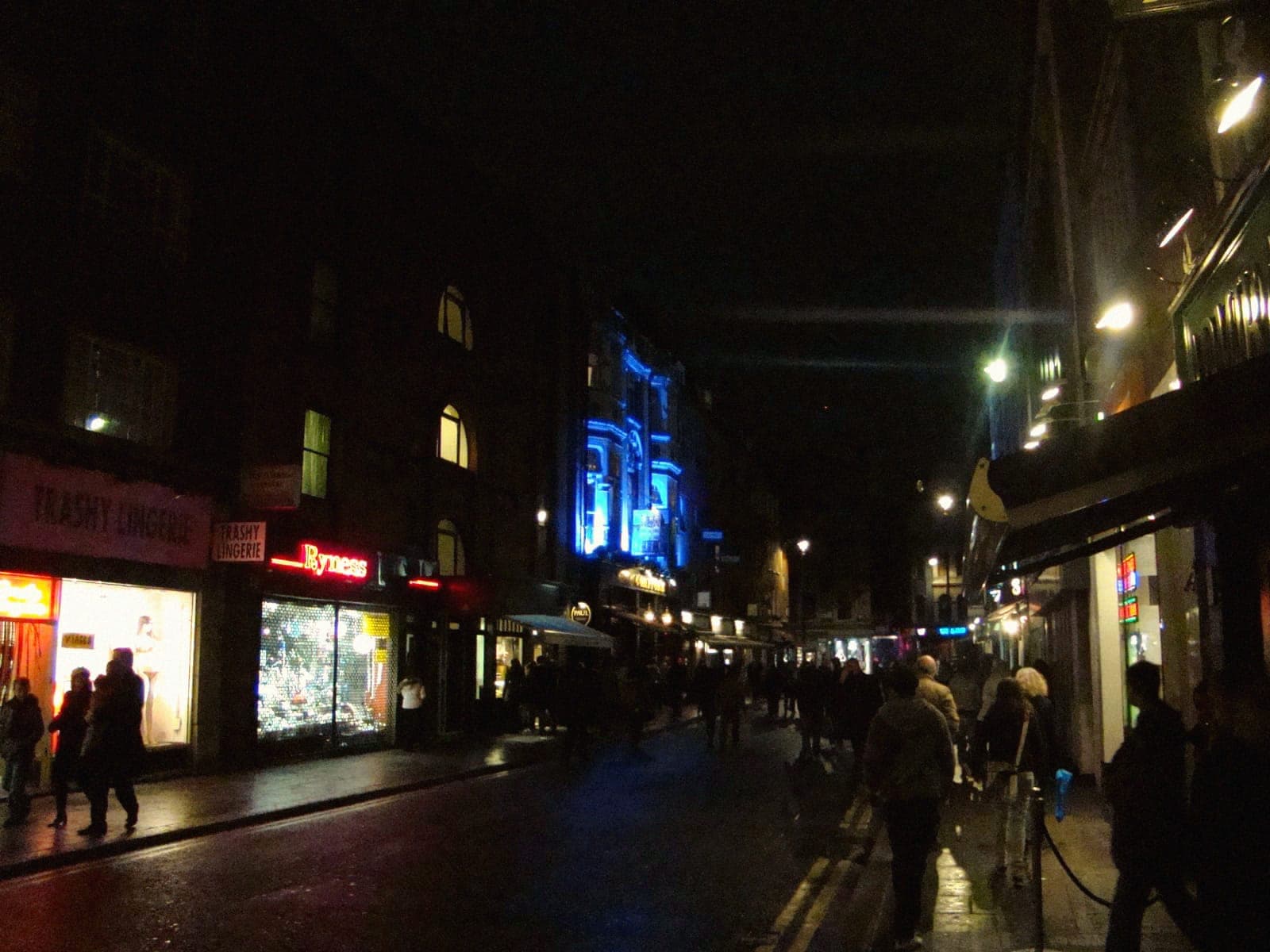
Who actually decides whether Soho stays open late?
That question just stopped being theoretical. On 28 May 2026 the Soho Society, the residents' group set up in 1972 to preserve the character of Soho, voted to oppose all new and extended licence applications, and to challenge renewals and applications that run past Westminster Council's 11PM core hours policy. Days later the Mayor of London stepped in to say he would not let it stand.
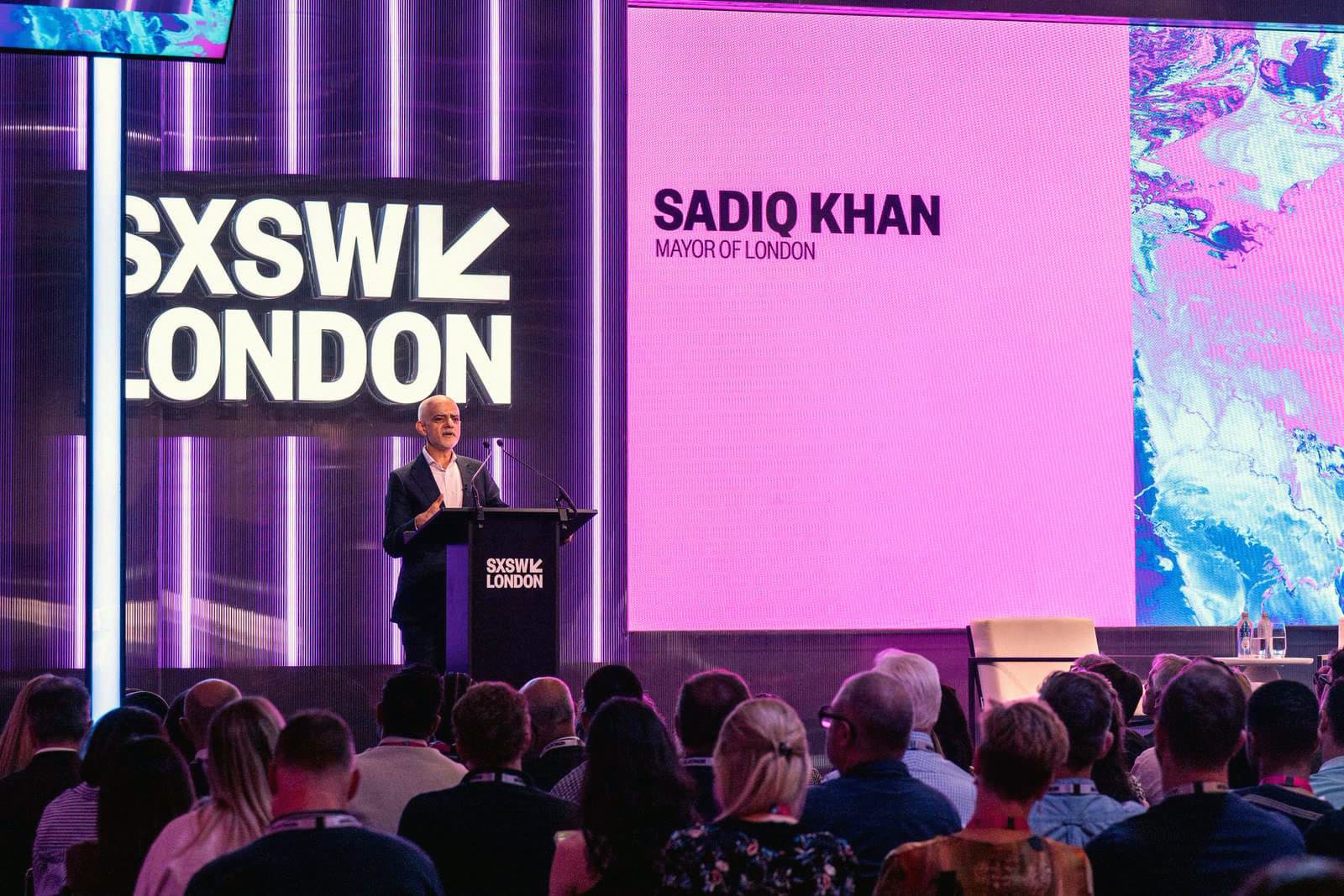
Sadiq Khan called the vote bad for London and pointed at a lever he does not yet hold but soon will: new licensing powers granted to him by the Government, due to come into force later this year, that let City Hall overturn licensing decisions made by London's borough councils.
"The Soho Society's decision to oppose all new and extended licence applications is the wrong one, it's bad for London."
What is the Soho Society actually arguing?
Not that nightlife should die. Their spokesperson framed it as a capacity problem: "Our objections are often based on the data and experience that the intensification of the night-time economy in Soho has not been matched by an equivalent increase in infrastructure needed to safely accommodate such growth." Translation: more punters, same streets, same exits, same pressure on a single square mile.
Operators read it differently. For them, a blanket policy of objecting to every new and extended licence is a wall in front of any venue trying to grow, invest or hire in one of London's best-known hospitality districts.
Why is this bigger than one neighbourhood?
Because of the override. Khan's Draft London Strategic Licensing Policy 2026-31 already sets principles that all 33 boroughs must follow, backed by a six-week consultation announced earlier in 2026 and an 11-person Nightlife Taskforce. The new powers go further: they hand the Mayor the ability to reverse a borough's call. Soho is the flashpoint, but the precedent is the prize.