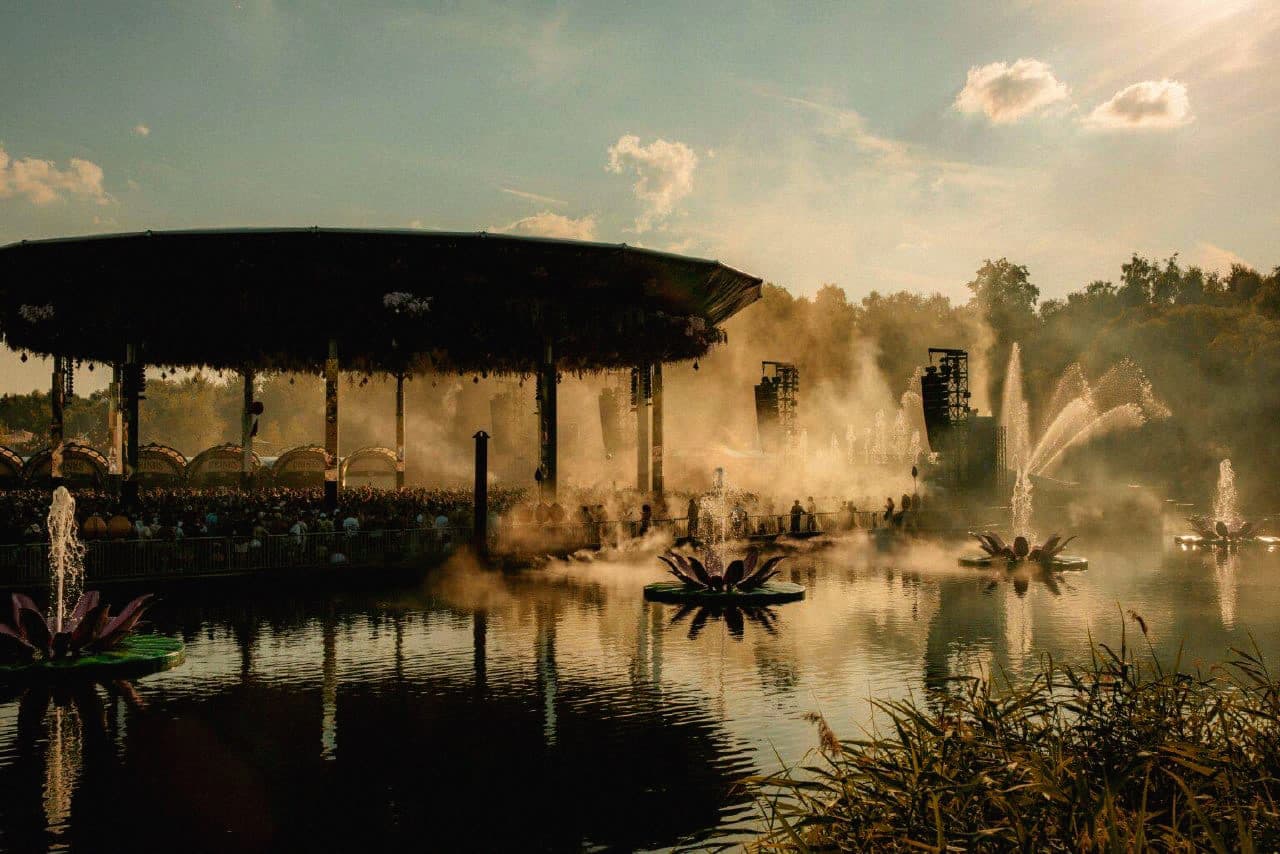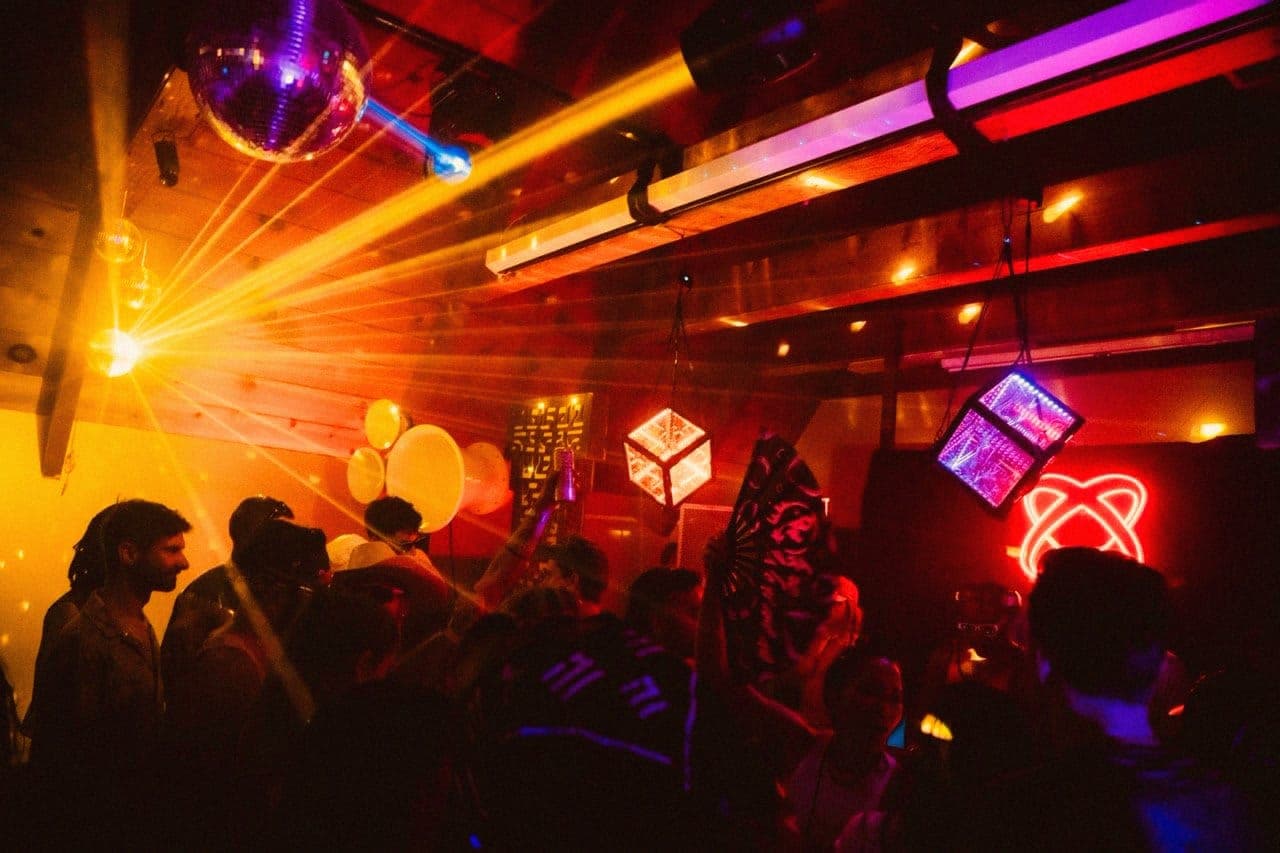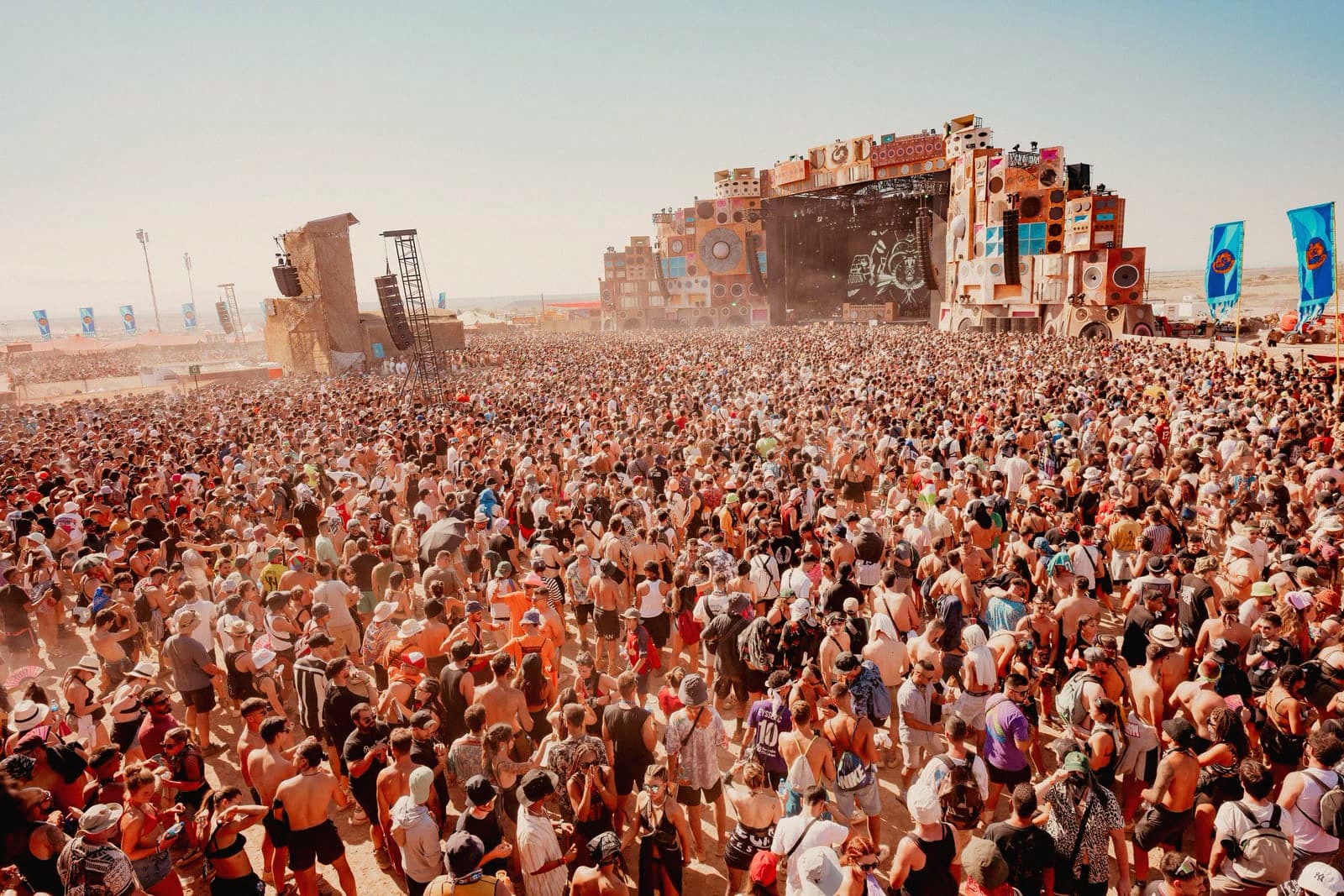
Sixty thousand tickets, gone, for a festival that still plants its main stages on sand. Monegros Desert Festival's 33rd edition, set for July 25, 2026, sold out its full capacity in the Monegros desert near Fraga, drawing the biggest crowd in the event's 32-year run. That kind of number raises an obvious question for anyone who has followed the festival since its early years: is Monegros still an underground event, or has it simply become too big to call that anymore?
How does a 60,000-capacity festival stay underground?
Look at who's actually booked, not just how many people bought a ticket. Richie Hawtin, Amelie Lens, Joseph Capriati, Seth Troxler, Marco Faraone, Paco Osuna, Butch, Manda Moor, Shonky, Sally C and Ben Sims aren't artists booked to move tickets to a casual crowd, they're techno and tech house specialists whose names mean something specific to people who already follow the genre closely. None of them plays the kind of festival-headliner set built for a crowd that doesn't know the music. For 2026, Monegros adds an entirely new stage, OUTWORLD, built around Klangkuenstler's outdoor concept, rather than trading a stage of specialist programming for one aimed at a wider, more mainstream draw. A festival chasing pure scale usually does that by adding a big commercial name to the poster. Monegros grew its capacity and kept its curation pointed at the same audience it always had.
How big is 32 years in an actual desert, really?
Most festivals don't make it to a 32nd edition, and almost none of the ones that do are still staged on unimproved desert terrain with no power grid and no public transit to lean on. Monegros has run there for 32 years, building its own scenery out of a decommissioned airplane and a train carriage instead of constructing sets from scratch, because the site itself doesn't offer much else to work with. Getting to a sold-out 60,000 people in a location like that, up from around 50,000 the year before, is a logistics story as much as a lineup story: 13-plus stages, 22 nonstop hours, an audience arriving from roughly 96 countries. That longevity and scale are exactly what huge means here, at a site that was never built to make growth easy.
Sixty thousand people sold out a festival where the two biggest landmarks are still a stripped airplane and a train carriage bolted into the sand. That's not a contradiction, that's the format working as designed.
So which is it, underground or huge?
Both, and that's the actual story. Monegros didn't get to 60,000 sold-out tickets by softening its booking policy to reach a wider audience, it got there because 32 years of consistent, specialist curation built an audience big enough to already want exactly that kind of lineup. Plenty of festivals that started underground eventually swap in a commercial headliner once the numbers get big enough to tempt them. Monegros's 2026 poster reads like a fabric or DC-10 lineup blown up to festival scale, not a festival lineup padded out with one name for the mainstream press. The size is real. So is the specialization that got it there.