Tiagolr's Rippler was, for a few months in 2026, one of the best free plugins going: a 32-voice physical-modeling synth that producers openly compared to Applied Acoustics Systems' Chromaphone 3, twin resonators and exciters deep enough to model strings, membranes, bells and djembes, all for nothing. Then the GitHub repo went quiet. Now it has a new owner.
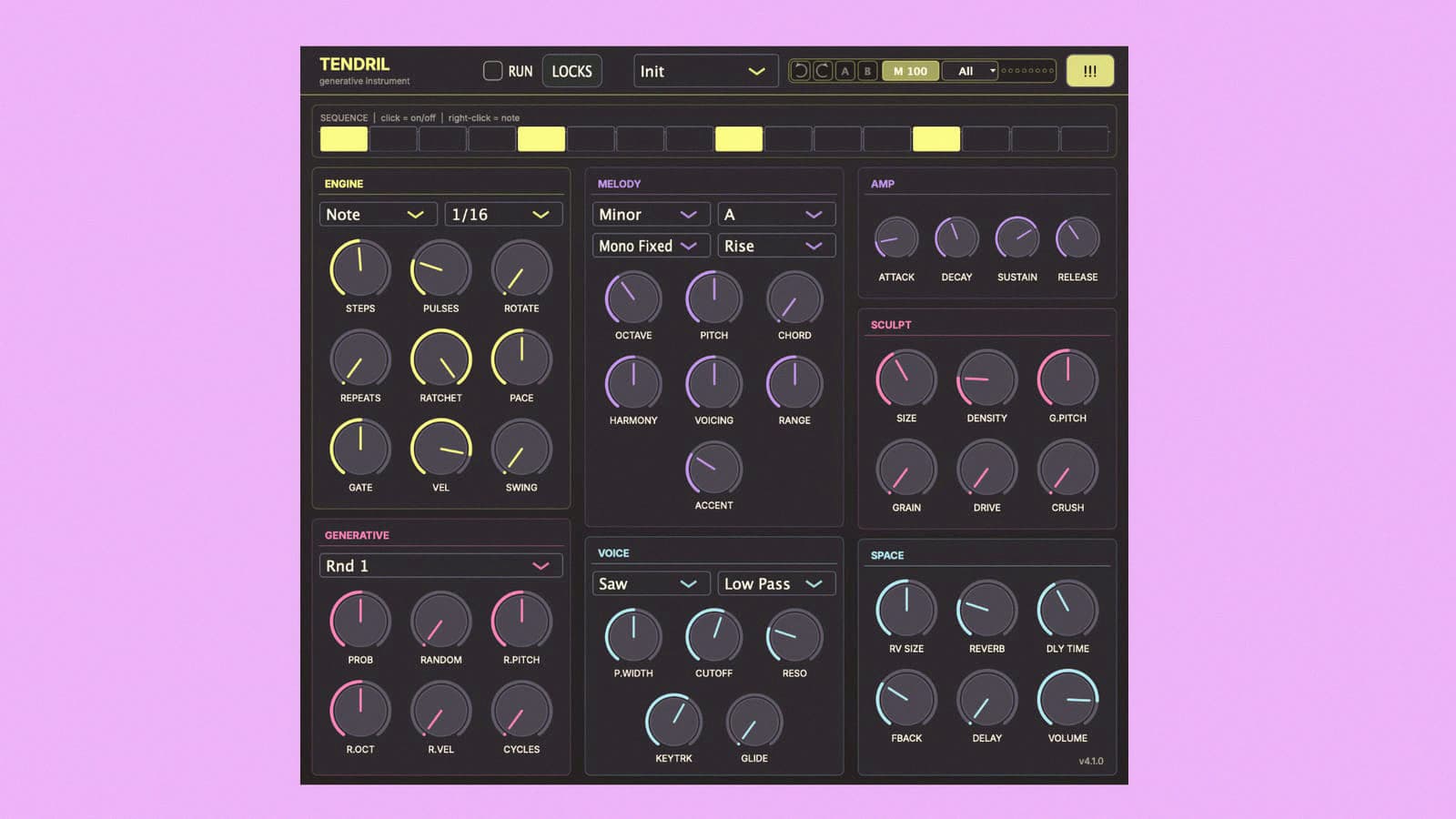
On 18 July reFX teased a new synth with a 24-second clip and a signup-only landing page at refx.com/rippler. Producers on the KVR Audio forum matched the interface to Rippler within hours. reFX has not confirmed the plugin is a Rippler rebuild in so many words, but the visual match, the name, and Tiagolr's own account of events leave little doubt.
Was this a beloved free tool getting bought out from under its users?
Not quite, and that is the actual story here. On the archived GitHub repo, Tiagolr told users directly: "This synth was meant to be commercial and by fortune I got to sign a contract after giving up on that goal." He added that releasing the plugin and its documentation for free had been premature: "sorry for publishing the documentation for freeware, it was picked up too soon." In other words, Rippler was never intended as a permanent freeware release. It was a solo developer's commercial project that got shipped free first, then found a publishing deal.
That is a different story from a company scooping up a community favorite and locking it behind a paywall out of nowhere, and it matters for how the gear community should read this. Tiagolr is a known quantity: he also built the free, open-source RipplerX, still available and still MIT-licensed on GitHub, and the free FM/wavetable synth TetraOP. Landing a commercial deal with a plugin house like reFX, known for Nexus and a catalog built on sample-based and hybrid synthesis, is a real outcome for an independent developer, not an act of community abandonment.
What does the commercial version actually add?
Per Synth Anatomy's writeup of the teaser and product page, the reFX Rippler keeps the core architecture, two exciters (one sample-import, one tweakable noise generator) feeding two resonators, but adds two wavefolding oscillators and two multimode filters with flexible routing between the new oscillators and the resonators. The synthesis engine is rounded out with a multi-FX processor, four envelopes, four drawable LFOs, four randomizers, velocity and aftertouch response, and eight macro controls. No price or release date has been announced.
"This synth was meant to be commercial and by fortune I got to sign a contract after giving up on that goal."
Why does a solo developer's plugin deal matter to producers who never used Rippler?
Because it's the playbook: an independent developer builds something excellent, gives an early version away to build a reputation and a user base, then converts that traction into a commercial deal with an established plugin company. Chow Tape Model, u-he's early freeware, and now Rippler all trace some version of that arc. For producers, it's a reminder that a great free tool today is not a promise of a free tool tomorrow, and for developers watching from the sidelines, it's proof that the path from bedroom coder to a shelf slot at a company like reFX still exists.