A booking agency does not headline festivals, so when one goes up for sale it rarely makes the dance press. This one should. On 13 February 2026 Casey Wasserman told staff he was selling the group that quietly schedules a third of the biggest lineups on earth, and the electronic music it controls is not a footnote on that roster. It is some of the genre's highest earners.
Why is the agency suddenly for sale?
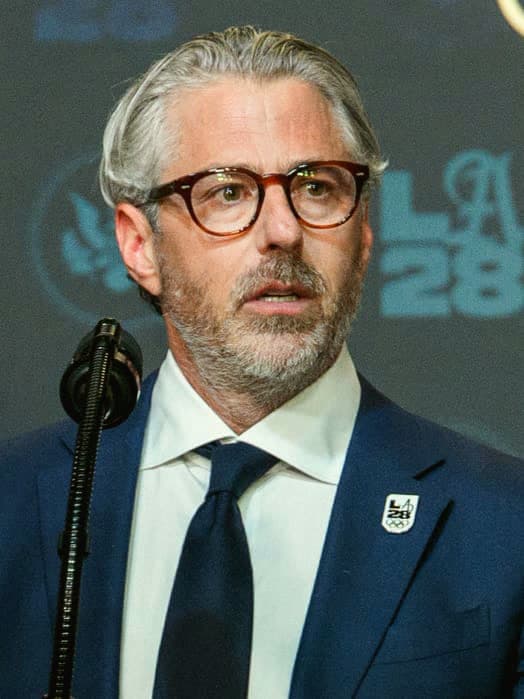
Two weeks earlier, on 30 January, the US Department of Justice released a tranche of Epstein files that surfaced Casey Wasserman's connections to Ghislaine Maxwell and Jeffrey Epstein. He moved fast. In his note announcing the sale he wrote that he had 'become a distraction,' and stepped back from day-to-day control as Mike Watts took over operations.
The scandal is the trigger, not the structure. Wasserman was already a financial object: Providence Equity Partners has been the majority owner since well before this, and the agency is less a single company than a stack of acquisitions, the old Paradigm music business folded in after 2021. What changed in February is that the founder became a liability the investors could no longer carry quietly.
What does the buyer actually get?
Lineup share, mostly. The numbers are the story: Wasserman Music holds 33% of Coachella's billing, against roughly 12% each for WME, UTA and CAA. Add 38% of Governors Ball, 35% of Electric Forest, 34% of Bonnaroo. On the electronic side that means the touring calendars of Skrillex, Fred again.., ODESZA and Calvin Harris, wired into the same desk that books Ed Sheeran and Coldplay.
Whoever signs the cheque does not buy a brand. They buy the calendar that decides which weekends the genre's biggest acts can play, and where.
Who is left circling?
By the time the rebrand landed on 9 March, the agency was called 'The Team' and Moelis was running a process expected to clear $1bn. The obvious strategic buyers, CAA and WME, have largely sat it out, wary of the conflicts that come with absorbing a rival's roster. That leaves UTA, Patrick Whitesell's Silver-Lake-backed vehicle, and the private-equity names: Bruin Capital, and KKR's Arctos. The realistic outcome looks less like one agency swallowing another and more like a financial owner buying the rails.
Meanwhile the roster votes with its feet. Chappell Roan, Laufey and John Summit have left, and Imagine Dragons opened talks with CAA, though that conversation predates the latest files. Every departure shaves a point off the lineup share that is the whole asset. The clock on a clean sale is the clock on how many marquee names stay.