What exactly did Yoyaku buy in Berlin?
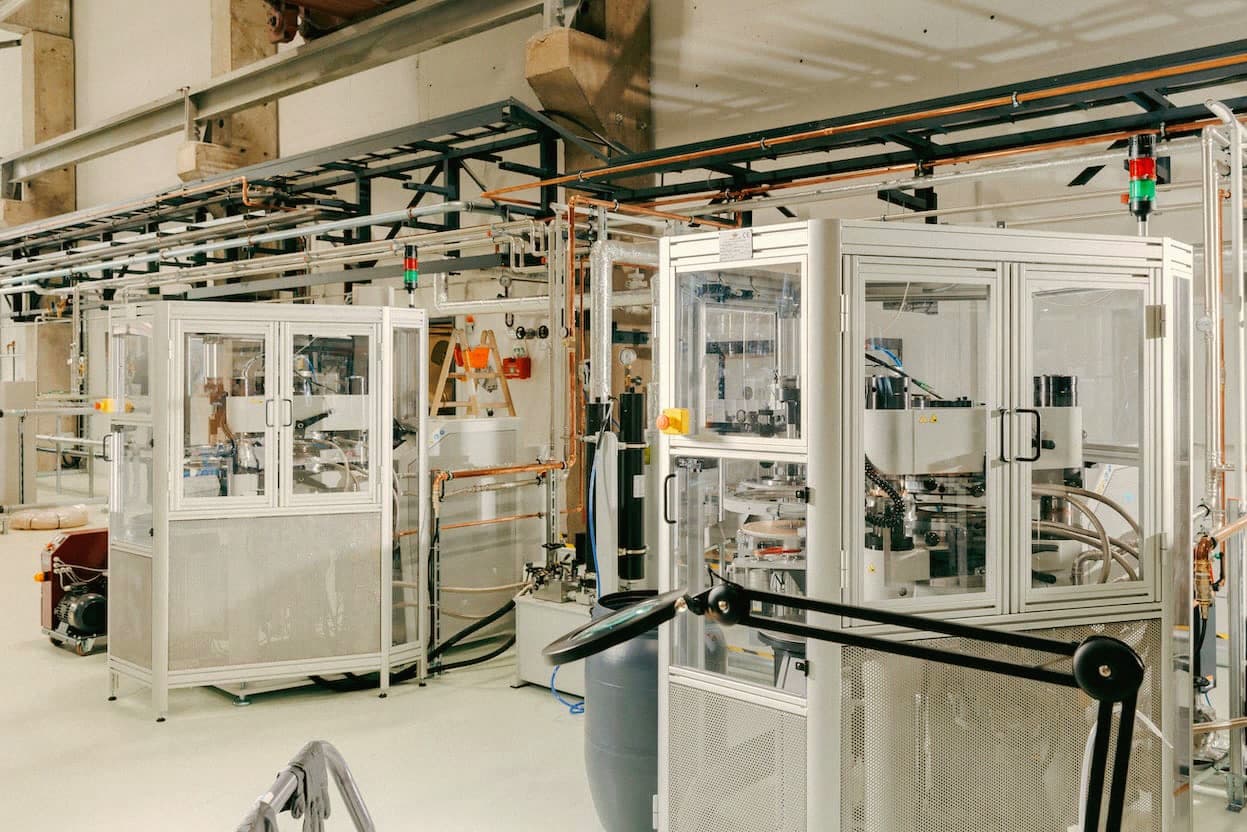
Yoyaku, the Paris distributor and label network that grew out of a Belleville record shop in 2015, has acquired the assets of OBJECTS Manufacturing, a Berlin pressing plant that filed for insolvency in October 2025. The deal closed in early 2026. Rather than strip the place for parts, Yoyaku kept it running: founder Benjamin Belaga moved to Berlin to take over as CEO of the plant, and much of the original crew stayed, including OBJECTS founder Jeremy Guillot.
That continuity is the whole point. The site runs Alpha Phoenix presses with an integrated galvanic line, which means lacquer cutting, stamper production and the pressing itself all sit under one roof. Buying a working plant with its galvanics and its quality-control people intact is far harder to replicate than buying machines.
Why does a distributor want its own factory and its own logistics arm?
Vinyl's bottleneck has never really been demand, it has been supply: too few plants, long lead times, and a distributor's margin squeezed between pressing costs it does not control and shops that want stock yesterday. Owning the plant flips that. Alongside the acquisition, Yoyaku launched Kurtezy, a Berlin distribution and logistics platform run from the OBJECTS site by Jamie Fry of KMA60 full-time, with Sammy Dee of Perlon involved.
Per Yoyaku, Kurtezy is not a simple extension of the company but a Berlin-based initiative built from within the local record ecosystem.
The framing matters. Records are meant to move through Berlin's existing shops rather than be picked up straight from the factory gate, which keeps the city's stores in the loop instead of cutting them out.
Where is the new shop, and how does Barcelona fit?
On 15 June 2026, Yoyaku opened its first storefront outside Paris, at Carrer de Llull 48 in the Bridge 48 complex in Barcelona's Sant Martí district, a short walk from Ciutadella Park. The opening landed in OFFWEEK season, with an instore session offered by raffle to people in town for it.
Line the pieces up and a three-part European structure appears: Paris for curation and distribution, Berlin for pressing, Barcelona as the new shop window. For an independent that, per Yoyaku, already earns close to 70 percent of its distribution income abroad, a second physical store in a city thick with electronic-music tourism is less a vanity project than the retail end of a supply chain it now owns from cut to counter.