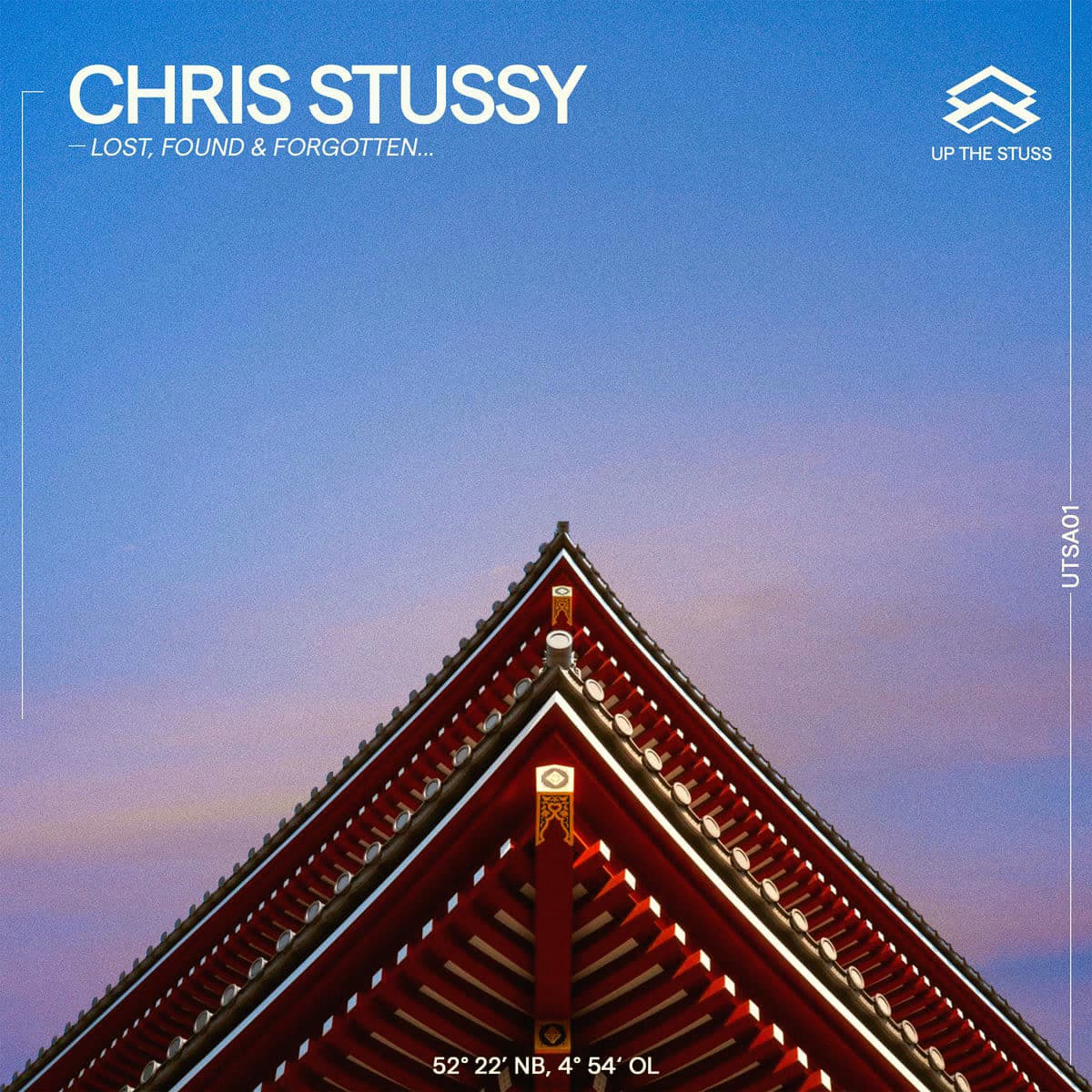
On 3 April 2026, Chris Stussy released his debut album, "Lost, Found & Forgotten…," 19 tracks on his own imprint Up The Stuss. For most genres an album is unremarkable. For deep-tech it is the news, because this is a scene built almost entirely on 12-inches, white labels and DJ tools, and the album is the format a subculture reaches for when it decides to be taken seriously as a body of work.
Stussy has been the obvious candidate to make that move first.
Why is an album a big deal in deep-tech?
Because the music was designed to be disposable in the best sense. Deep-tech lives on functional, mixable cuts that exist to do a job at 2am and then get replaced next month. The album asks the opposite: sit down, listen front to back, treat it as a statement. Stussy structured the record in three chapters, Lost, Found and Forgotten, which is a deliberately un-DJ-tool way to package music. "It's deeply personal, and it represents my sound as a whole," he said.
That sentence is the whole story. A scene that sold tracks is now selling an artist.
What is Stussy actually signalling?
That the infrastructure has matured enough to support more than singles. He built Up The Stuss into a real release platform, runs his own events around it, and is now using both to carry a long-form project rather than a steady drip of EPs. He described the process as "exchanging ideas with other artists and creating music outside of my comfort zone," with what the label calls emotionally-charged collaborations, though the full tracklist was held back and revealed gradually before release.
A scene that sold tracks is now selling an artist.
Is this a one-off or a template?
It reads as a template. When the figureheads of a singles culture start making albums, running imprints and building event brands, the subculture is professionalising in public, and the rest tends to follow the strongest name. Stussy is that name, which makes "Lost, Found & Forgotten…" less a record to file and more a marker for where deep-tech goes next: fewer one-off tools, more artists trying to be remembered for something larger than a peak-time weapon.