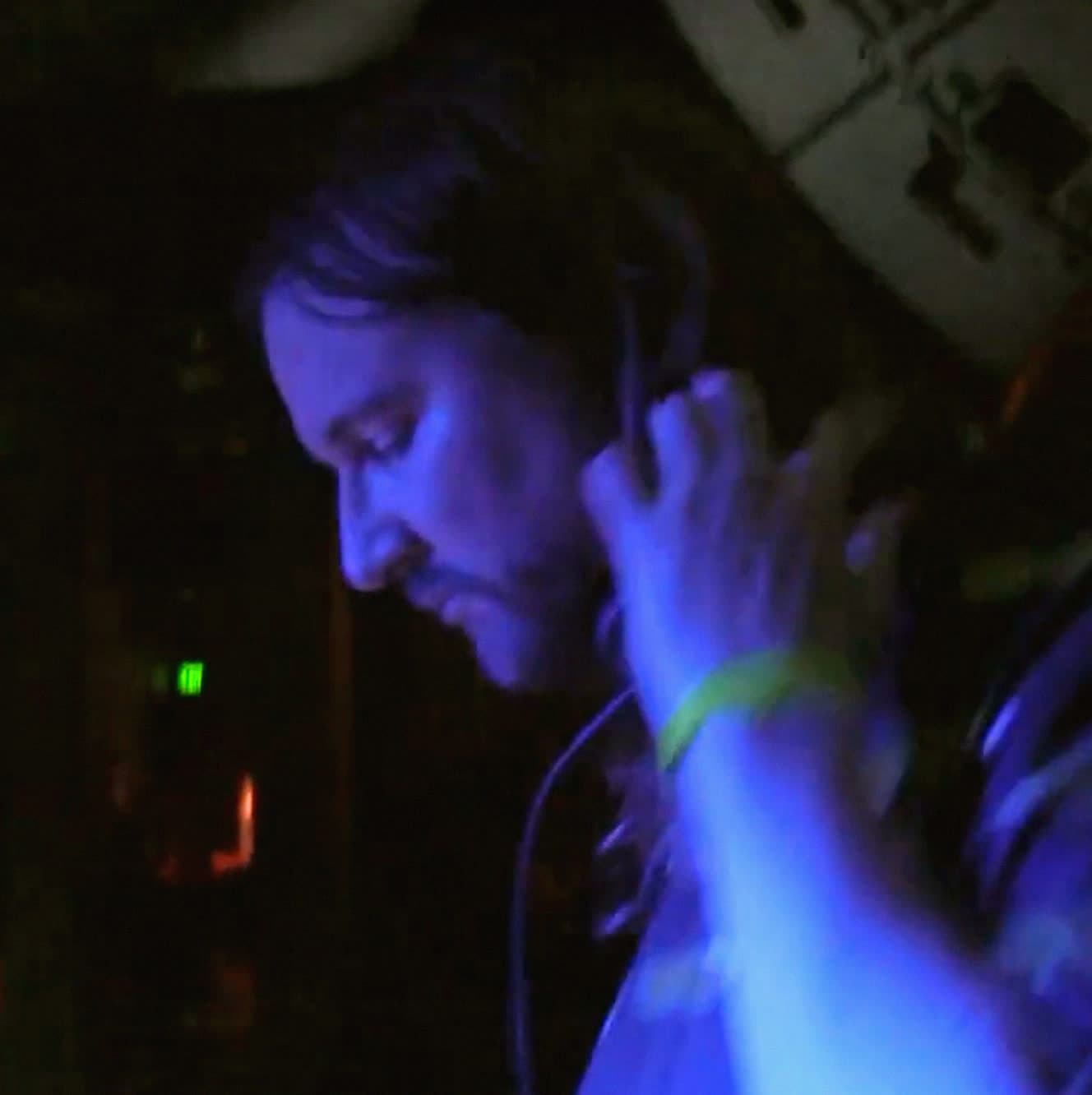
Machinedrum has done the thing plenty of established artists talk about and few actually pull off: he took the whole operation back in-house. BL00MS, a six-track mini-LP, arrived in early June 2026 on IAMSIAM, the label Travis Stewart ran years ago and has now switched back on. It lands after a 13-year run with Ninja Tune, the home of his bigger, vocal-led, festival-facing records. This one is none of those things.
Why relaunch his own label now?
The short version: control. After more than a decade inside a respected independent, Stewart has put BL00MS out with full creative and commercial ownership under one roof again. The catalogue number reads IAMSIAM010, so this is a revival rather than a fresh start, the label picking up where it left off. Physical copies ship on floppy-disc-style USB drives loaded with extras, a format choice that tells you exactly how much of this was run on his own terms rather than a distributor's release calendar.
That decision matters more than it looks. Taking a record in-house means absorbing the costs and the admin that a label normally carries, in exchange for keeping the masters and the margin. For an artist with Stewart's catalogue and audience, that math increasingly favours doing it yourself.
What does BL00MS actually sound like?
It is his first properly instrumental, club-facing record in years, and it reads as a deliberate return to source. Across six tracks (THE FROG SONG, NO 1 KNEW, WHEN UR GONE, FADE AWAY, BOUNCE N SLIDE and BL0000M) Stewart works through jungle propulsion, UK garage swing, dubstep weight and broken house, roughly in the 130 to 160 BPM range. Bandcamp Daily, naming it among its essential releases, framed it as evoking those genres dynamically and instrumentally rather than leaning on nostalgia, with melodic fragments breaking open inside the drums.
No vocal hooks, no festival drops: BL00MS is Machinedrum building club tracks for rooms, not arenas.
It is worth being precise here. This is not a reinvention of his sound so much as a stripping back of it, the parts of his music that work on a dark floor pulled out from under the song structures his Ninja Tune albums leaned on.
Is the indie route the real story?
For the underground, yes. An artist of Stewart's standing leaving a major independent to self-release is a useful data point about where leverage sits in 2026. The infrastructure to put out a record, sell physical, and keep the rights without a label has never been more accessible, and the people best placed to use it are exactly the ones with an established name and a back catalogue.