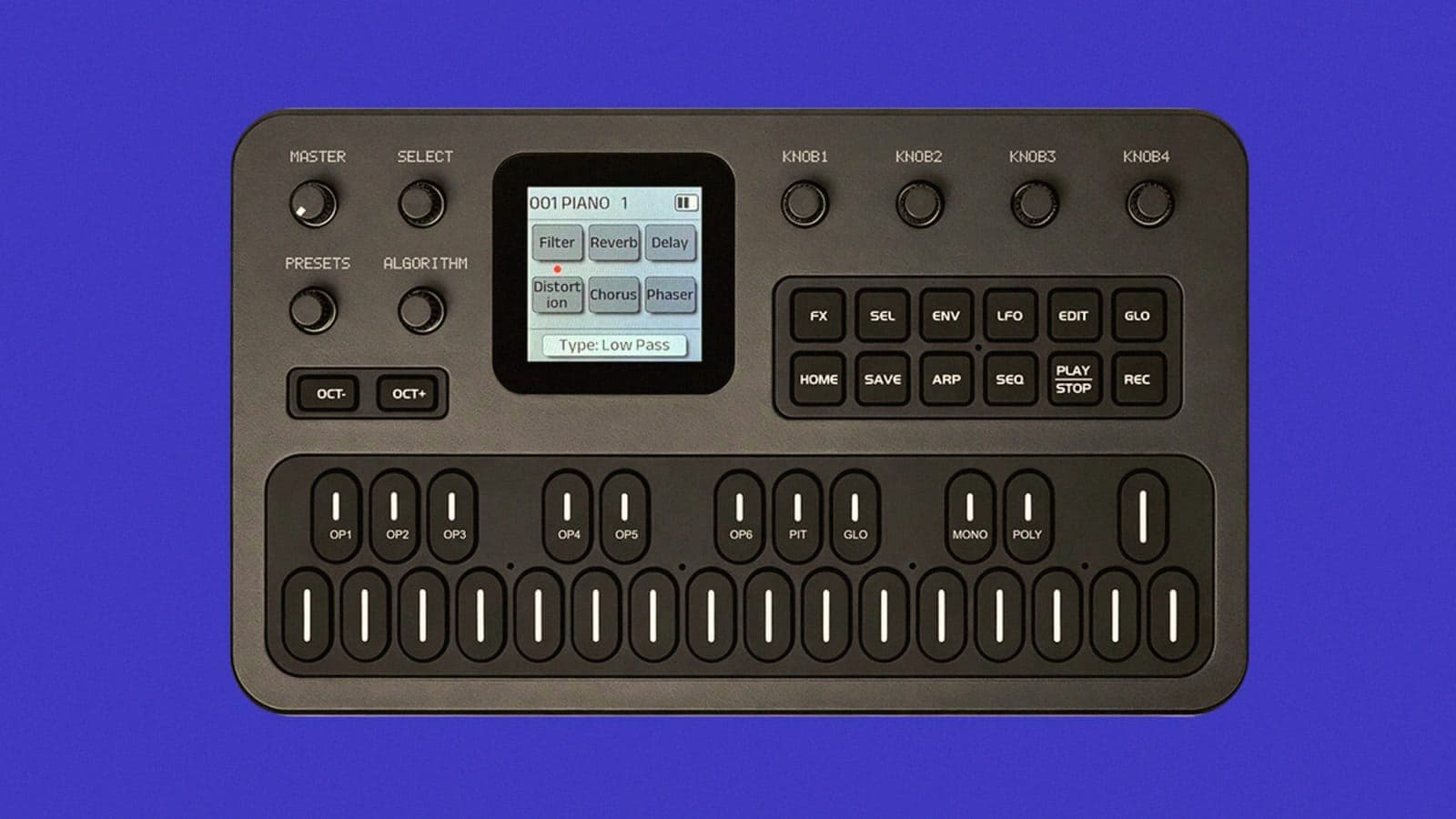
The cleanest pitch in DJ gear this year is also the smallest. Devious Pocket, from the Amsterdam studio NAP Works, is a standalone digital vinyl system: plug a USB stick of tracks into the box, drop the needle on a control record, and it plays. No laptop. No subscription. No all-in-one player costing the price of a used car. It is built on NAP, an open-source audiovisual framework that became a nonprofit in 2024, and it ships from 249 euro for the first run of 100 units.
How does a box this small replace a laptop rig?
The device does the work a laptop and DVS software normally do. It reads the timecode from your control vinyl, plays the digital file off the USB stick, and pushes audio out through a studio-grade HifiBerry DAC. A 4-inch high-resolution touchscreen shows waveforms and cue points. It does 1 to 32 bar looping for live edits, matches BPM across tracks automatically, and lets you set custom cues. A pass-through button flips instantly between the digital file and the raw vinyl underneath, so hybrid sets, one real record into one digital track, take a single press.
The build is deliberately unglamorous and that is the argument: a passively cooled processor, off-the-shelf repairable parts, a 3D-printed enclosure. Nothing in it is designed to be a sealed black box.
What does "open" actually buy the DJ here?
The firmware itself is proprietary, so this is not a fully open product. But it sits on NAP, the same free framework used in professional audiovisual installations, which the team refocused onto Linux and embedded hardware. Practically, that means the platform underneath is documented and not owned by a single gear giant. NAP Works describes itself as a small EU team with no VC money, selling made-to-order through Indiegogo, with a 499 euro early-bird bundle that adds stands.
Plug in a USB stick, drop the needle, and it plays. The pitch is that simple, and that is the threat.
Why does this rattle the CDJ economy?
For twenty years the standard club booth has meant expensive, closed players and the lock-in that comes with them. A 249 euro device built from repairable parts on an open framework is a direct counter-argument: it says the timecode-to-audio job does not require a four-figure sealed unit, and that repair and tinkering are features, not threats. It will not replace the flagship in a festival booth tomorrow. But for the bedroom DJ, the small bar, the vinyl purist who wants digital crates without a screen-lit laptop on the coffin, it reframes what the entry ticket costs. Peter Kirn, writing at CDM, framed it as exactly that kind of challenge to industry standards.