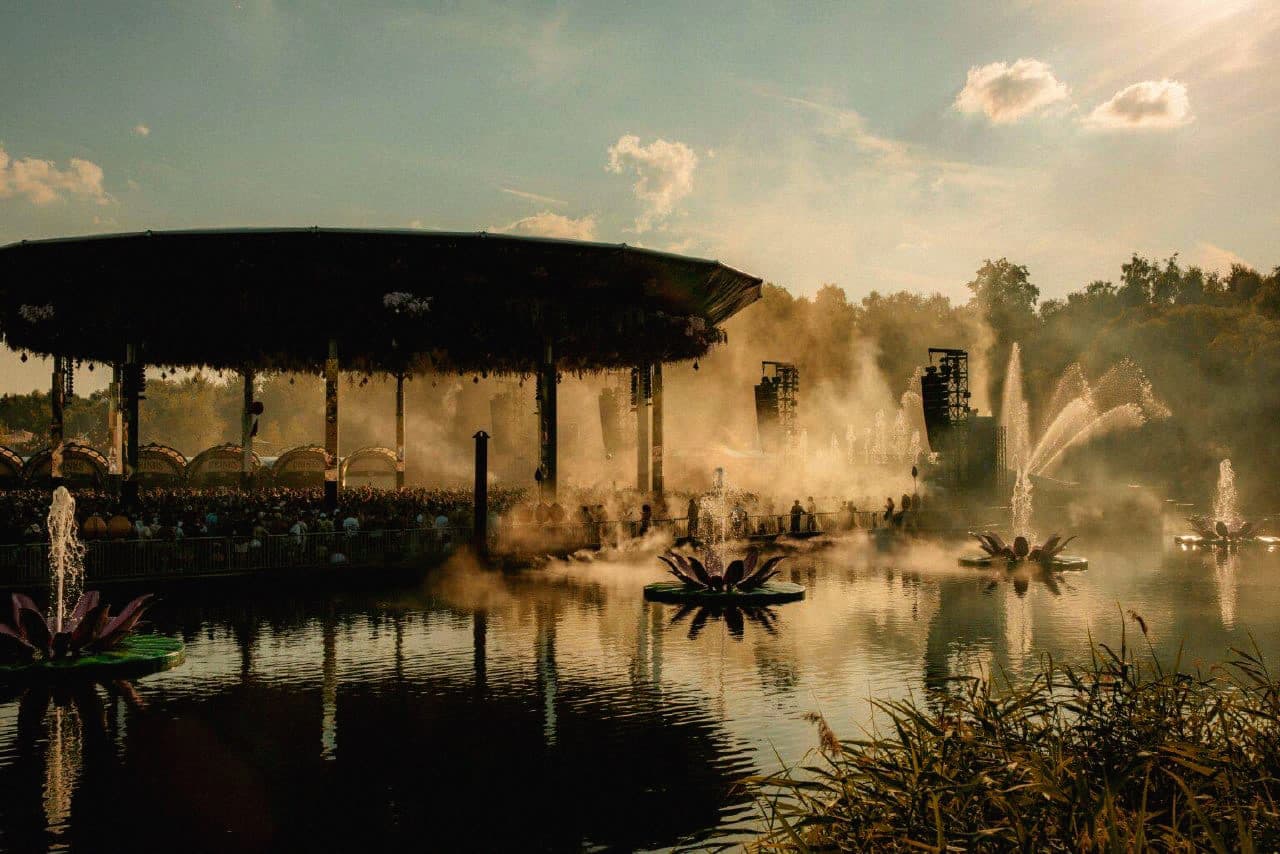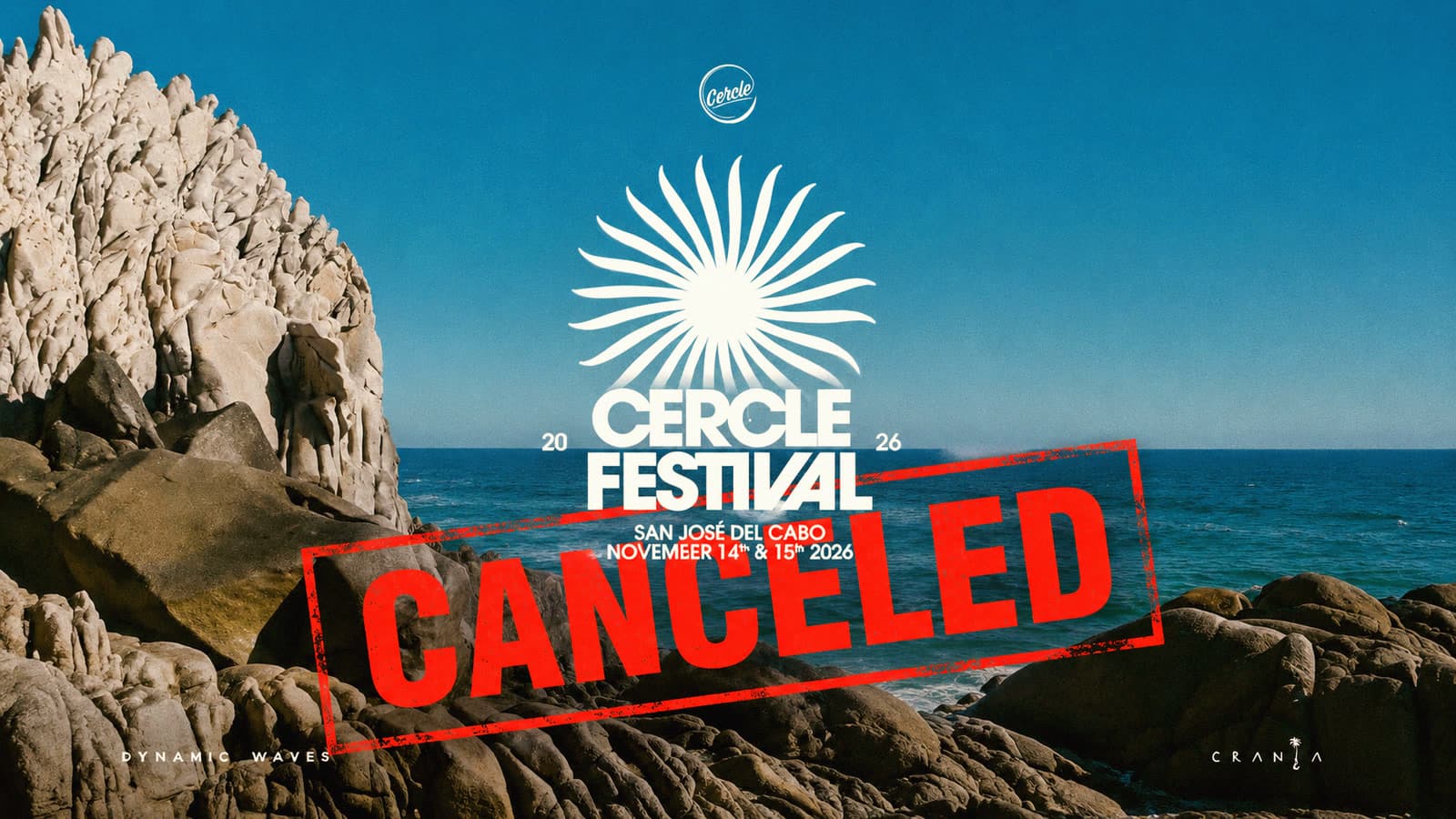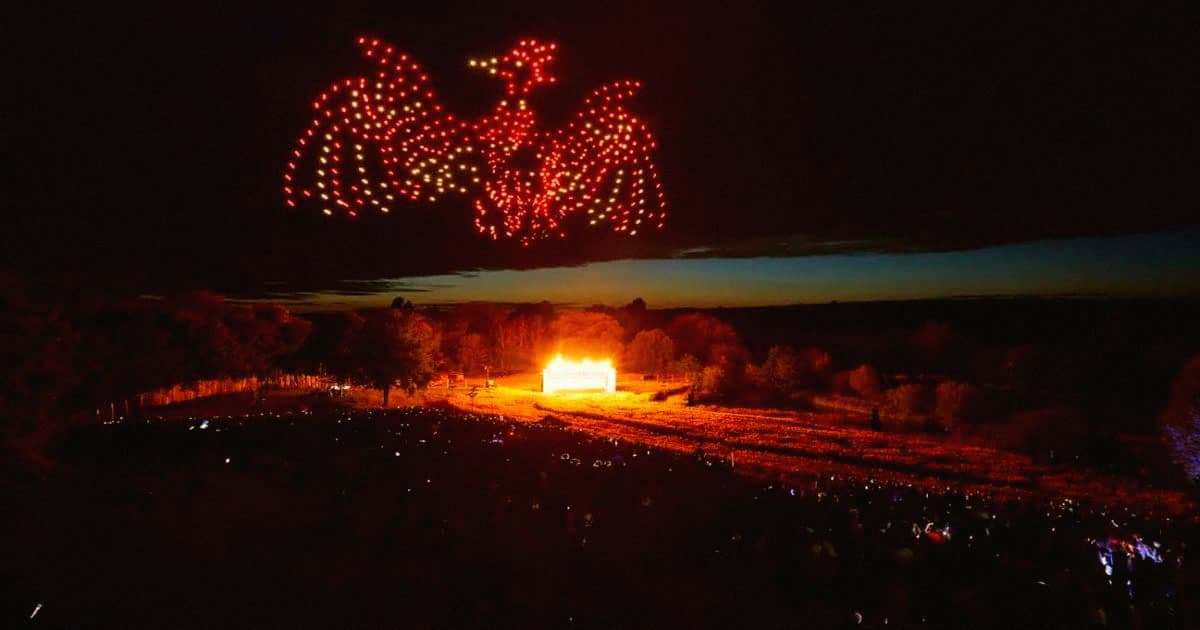
The story of 2026 in festivals is a barbell. At one end, Tomorrowland, EDC and Coachella sell out. At the other, the giants. And the middle, the part that matters most to a working house DJ, is falling out.
How many festivals actually cancelled?
The cleanest count comes from the UK's Association of Independent Festivals, which tallied 39 festivals cancelled by mid-June 2025. That followed 78 cancellations in 2024 and 36 in 2023, and brings the total number of UK festivals lost since 2019 to 249, of which 96 went during Covid. CNN, reporting in June 2025, put the wider figure at more than 40 cancelled before summer had even started.
The names tell you where the damage lands. Pitchfork in Chicago, gone after nearly two decades. Balaton Sound in Hungary, on hiatus. Creamfields Hong Kong, Sick New World, Global Dance, Field and Stream, all cancelled. In the house and techno world specifically, Desert Hearts, a 13-year-old institution founded in 2012, announced it would skip 2026, with organisers saying the demands of producing a full-scale festival had begun to overshadow their music and personal lives.
Why the middle and not the top?
Because the middle has no balance sheet to absorb the shock. Infrastructure costs (security, fencing, staging, insurance) have risen 30 to 50 percent since 2019. Headline guarantees have climbed into the millions, with reports of festivals facing requests near 5 million dollars for a single headliner. A festival selling 200,000 tickets can spread those costs. One selling 15,000 cannot, and that is precisely the band, under 30,000 capacity, where the AIF is now lobbying governments for a dedicated festival tax relief modelled on the breaks already given to theatre and orchestras.
The disappearing mid-size festival is the rung where most house DJs learn to command a fee. Remove it and the ladder has no middle.
There is a demand-side cut too. As former Spotify chief economist Will Page put it, fans "go all in to see Taylor Swift, and you don't bother with the festival." The headline tour is eating the festival weekend.
What does this do to house specifically?
This is the part the trophy festivals obscure. A DJ does not jump from a 400-capacity club to a main stage. The fee ladder is built on the mid-tier circuit: the regional dance festival, the boutique weekender, the 8,000-capacity field. That is where a booking agent proves an act can move a crowd and justify the next fee. When that tier collapses, the ladder loses its middle rungs, and the only acts who keep rising are the ones already big enough to sell a headline tour on their own name.
The AIF's John Rostron called one closure "indicative of the challenges facing the independent festival sector right now," arguing tax relief would have given it "the space it needed." The blunt version: the events that develop tomorrow's headliners are being priced out by the same cost base the headliners can shrug off.