What does Stem EQ actually do?
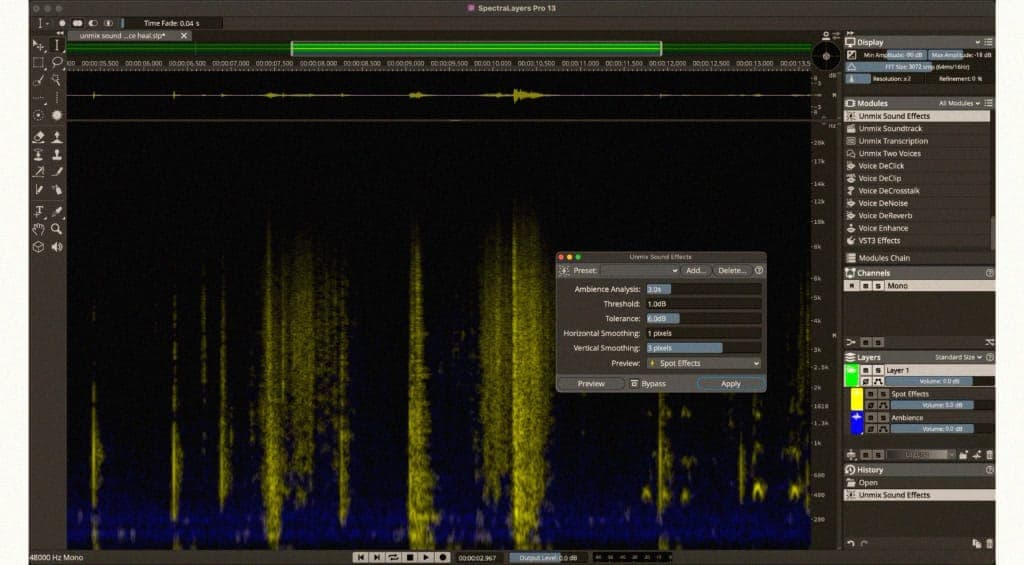
iZotope's Ozone 12 Advanced adds a module called Stem EQ, and it does the thing producers have wanted for years. Point it at a finished stereo file and it separates the audio into four groups, vocals, drums, bass and everything else, then hands you an ordinary EQ, up to eight bands, for each group on its own. More presence on the vocal, less harshness on the cymbals, a fatter bassline: you do it on the master, without ever opening the multitrack. It reaches further than the old mid/side trick, pulling apart elements that mid/side never could.
Why does this matter for house?
House and its neighbours run on edits, bootlegs and remixes, and most of that work starts from a stereo file someone else bounced: the promo with no parts, the unreleased dub off a USB, the acapella that does not officially exist. Being able to rebalance the kick or lift the vocal on a finished track, right at the mastering stage, turns a job that used to need the original session, or a favour from the producer, into a few minutes in a plugin.
"The AI assistant is cool, but the Stem EQ is the real star." (MusicTech)
Where does it sit, and what does it cost?
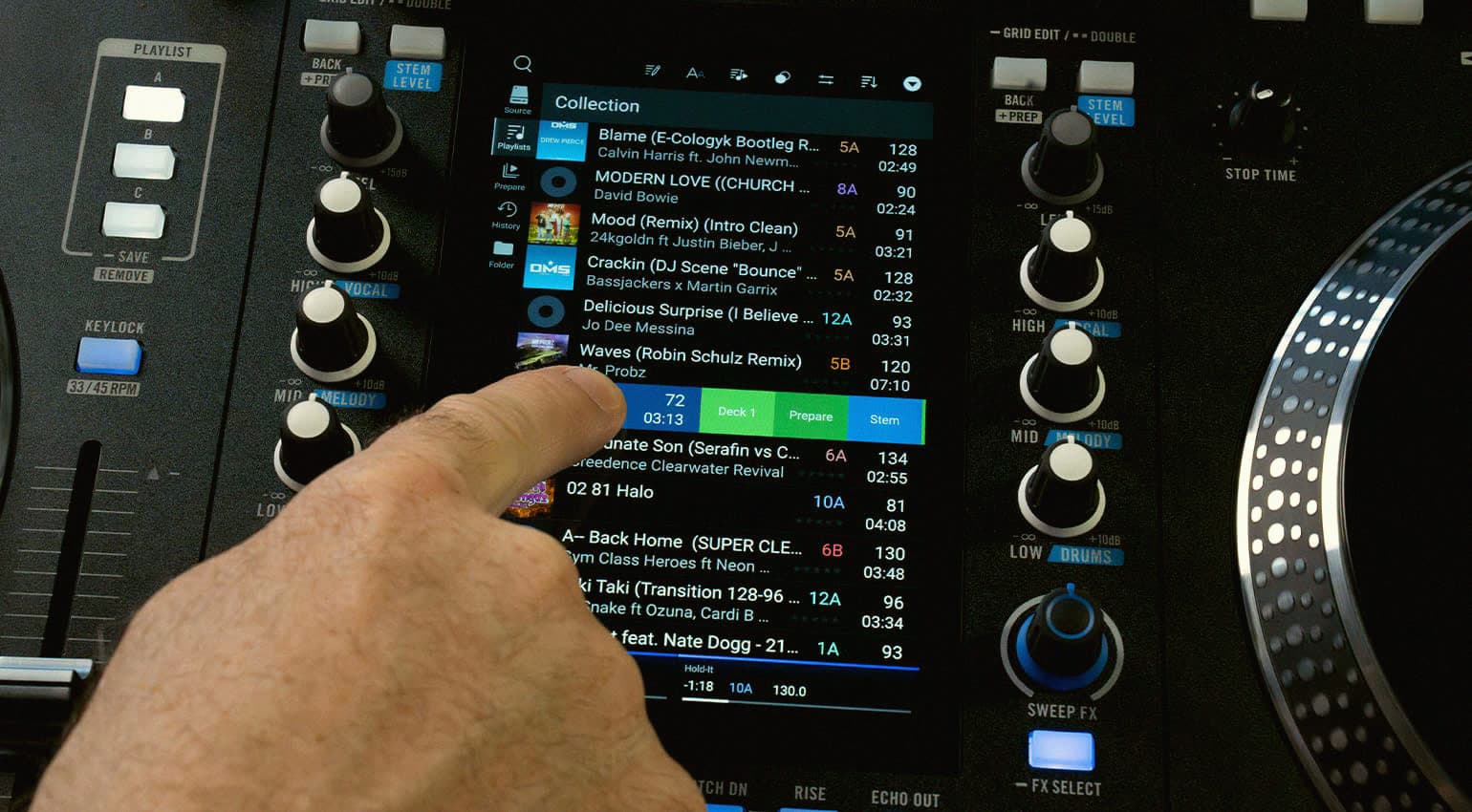
Ozone 12 ladders from Elements at $55 to Standard at $219 to Advanced at $499, and Stem EQ lives only in Advanced. It arrives as stem separation spreads across the whole chain: iZotope's own RX 12 added a Stems View for restoration, and standalone decks now render stems live with no laptop. Ozone puts the same idea at the final stage, where you are polishing rather than producing.