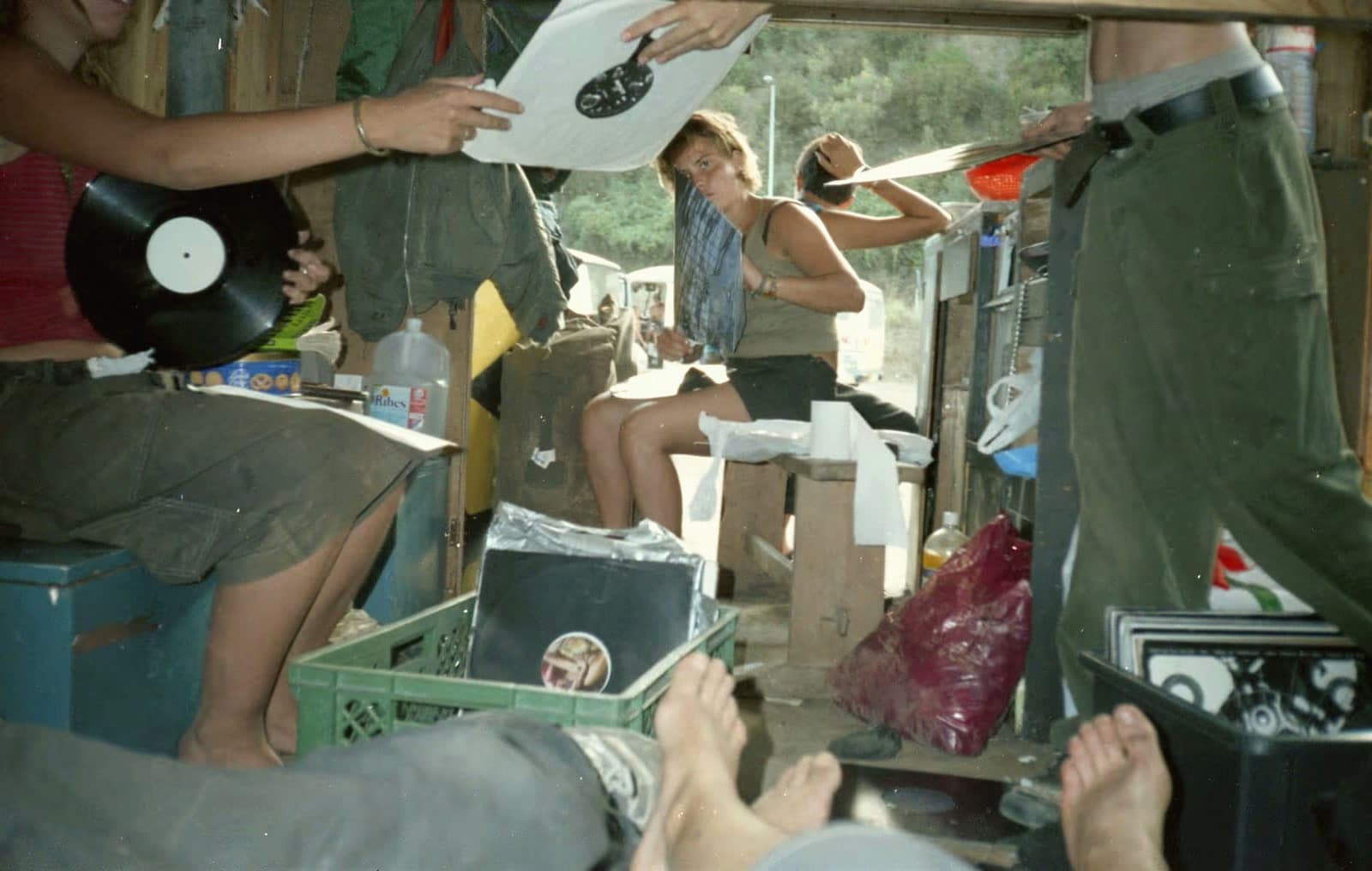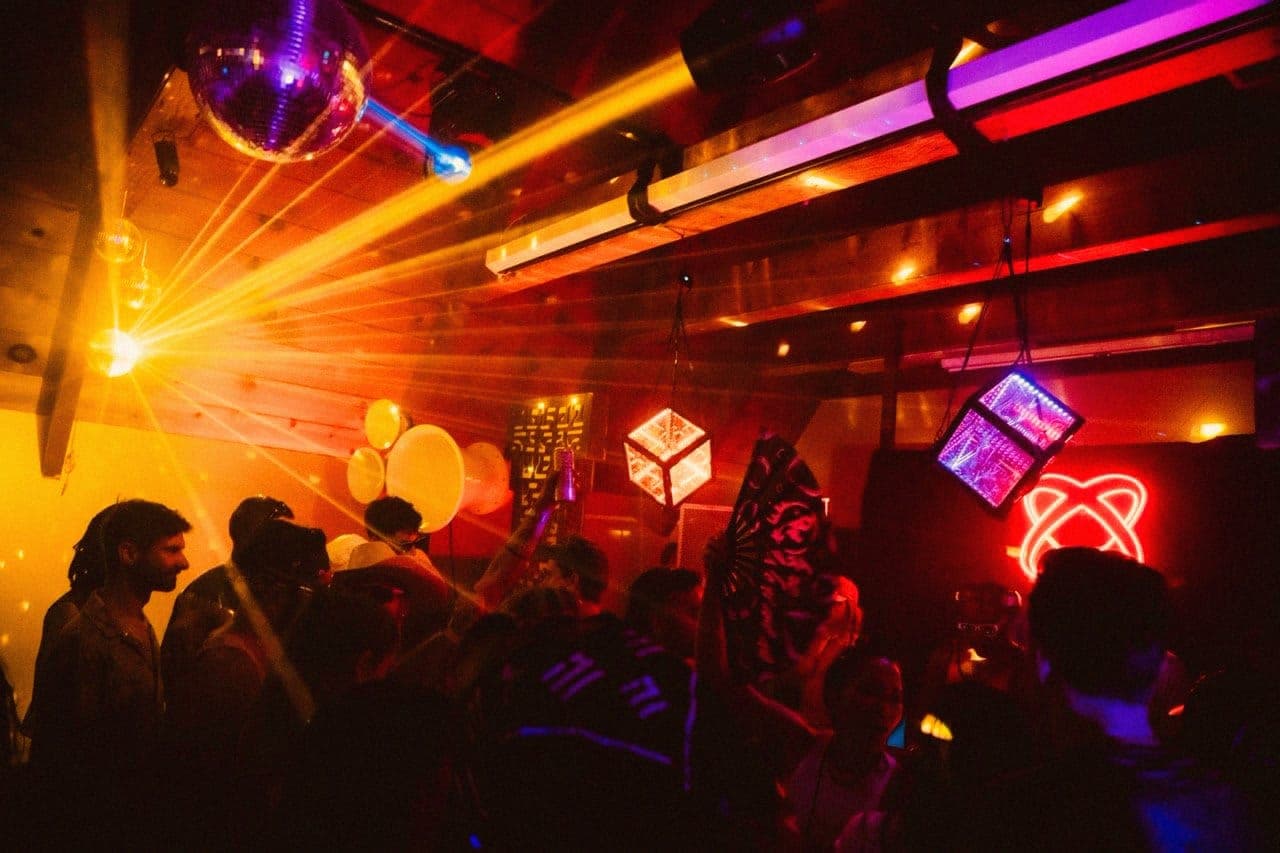
Shapes Festival is back on Zakynthos for a week that runs from July 26 through August 2, 2026, and there is no main stage to point a camera at. Instead of a fenced field or a rented warehouse for the weekend, the entire Greek island becomes the venue: a boat crossing the Ionian, a beach at sunrise, a walled garden, a converted house, a hilltop looking down at the coast, and at least one location the promoters aren't naming yet. That has been the format since Shapes launched as a boutique event in 2018, and this year it's carrying a genuinely heavyweight bill, per Resident Advisor.
What's actually on this week?
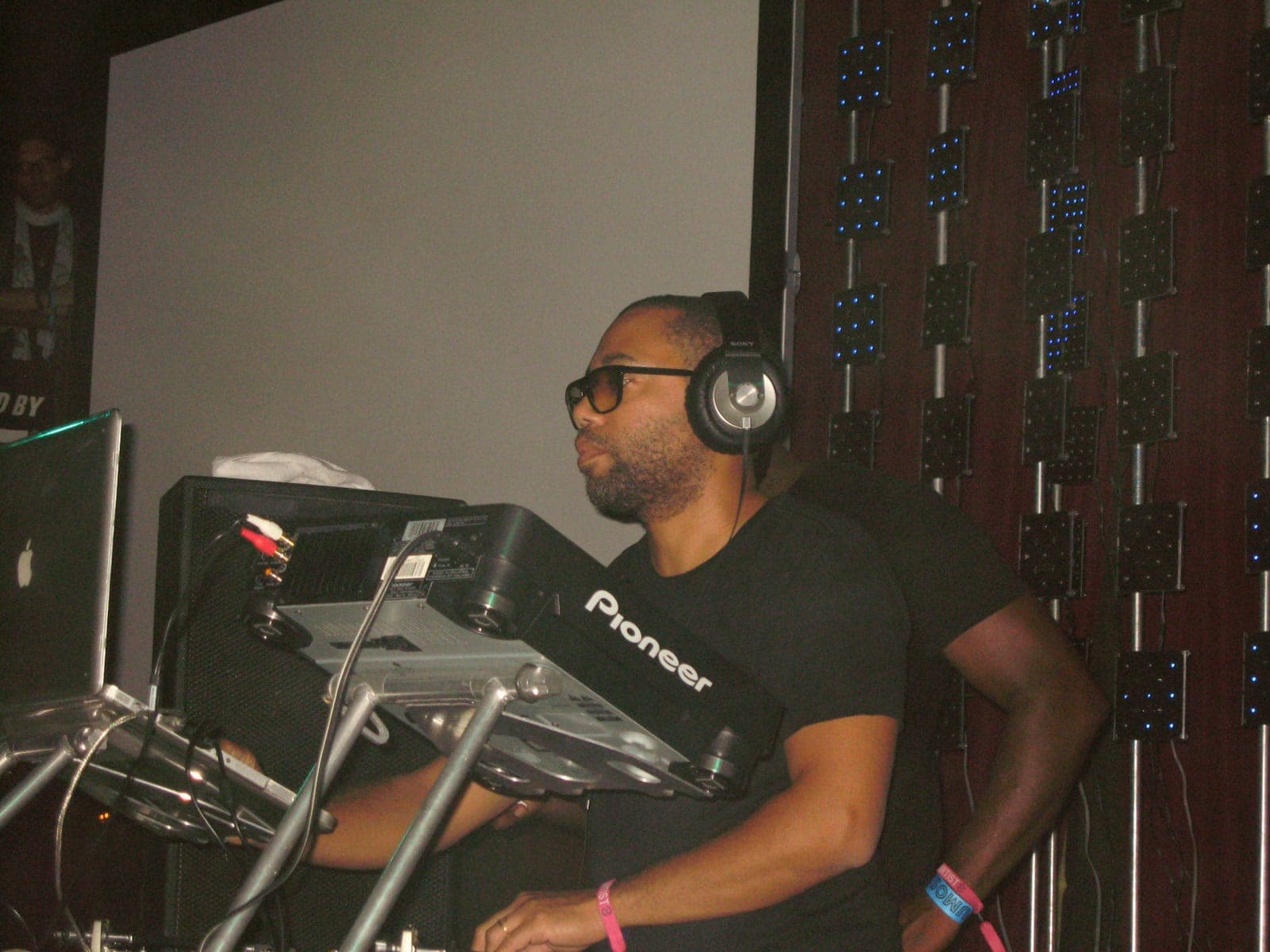
Detroit's Carl Craig headlines, alongside Danilo Plessow's Motor City Drum Ensemble and Detroit house veteran Marcellus Pittman. The programming leans warm house and hypnotic techno rather than peak-time noise, which fits the settings better than a strobe-lit tent would. A week pass covering the full run costs 89 euros, a fraction of what a comparable multi-day festival with a lineup this strong usually charges.
Why would an artist of Craig's stature choose a boat over a booked-out club?
Craig has spent three decades headlining the biggest rooms and stages in techno, running his own label in Planet E and shaping the sound that half the current hypnotic-techno wave borrows from. A scattered island format trades the predictability of a big room, fixed capacity, fixed production, fixed crowd size, for something a warehouse can't fake: a small, capped crowd where the location itself is part of the set. For a lineup this experienced, that's not a downgrade. It's a different kind of gig, closer to the loose, DIY spirit that produced Detroit techno in the first place than another festival main stage would be.
Why does the format matter beyond one island?
Most festivals compete by getting bigger: more stages, bigger production, higher caps. Shapes has spent eight years doing the opposite, splitting one week across a dozen small, unrepeatable settings instead of scaling up a single site. At a moment when licensing costs and single-venue risk are squeezing club culture across Europe, a format that never depends on one building staying open is worth watching.