What did Thomas Bangalter actually say about Tron: Legacy?
On the July 2026 episode of the A24 Podcast, “Genuine Curiosity,” Thomas Bangalter sat down with Devonté Hynes of Blood Orange and revisited a chapter of his career he rarely discusses in his own words: scoring Tron: Legacy with Daft Punk partner Guy-Manuel de Homem-Christo. Bangalter recalled that director Joseph Kosinski’s original brief was the opposite of what the film ended up with: “I want you guys to do a full electronic score…” Daft Punk said no. “We’re going to Hollywood, we’re going to sound like Fantasia, like it’s Disney with a full orchestra!” is how Bangalter remembers the duo’s answer. What followed, in his own words, “was so limiting.”
Why did Daft Punk trade its own sound for an orchestra?
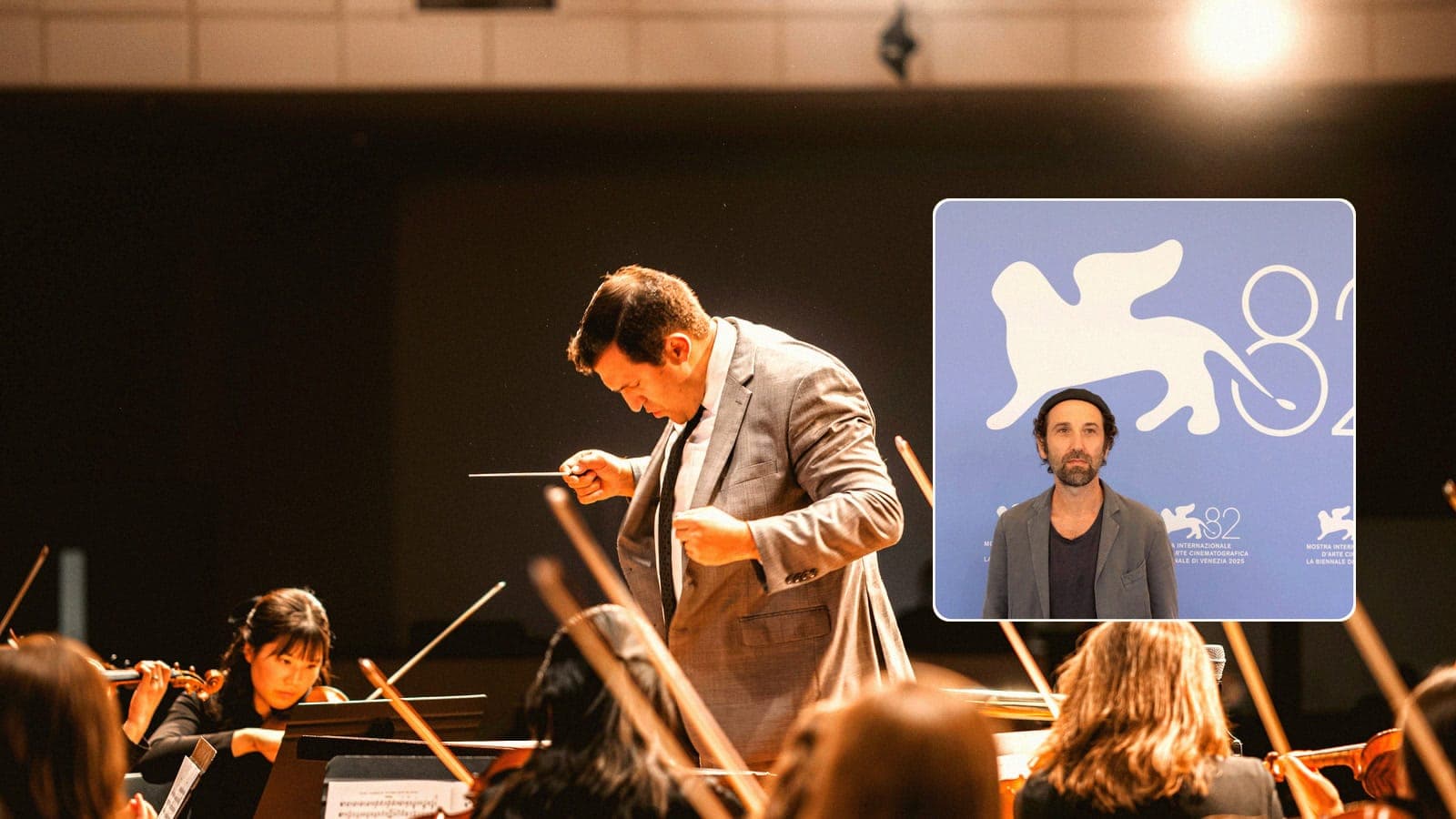
The constraint was technical as much as artistic. “The problem was that anything in the medium range would conflict with dialogue,” Bangalter said, meaning most of the electronic textures Daft Punk usually builds a track around had nowhere to sit in a mix built around dialogue. “We ended up only using… this pulsing bass,” he explained, describing how the duo’s electronic fingerprint survived mostly in the low end. The bulk of the score instead leans on a live ensemble reported at 85 musicians, recorded at AIR Lyndhurst Studios in London with arranger Joseph Trapanese, a project Bangalter and Guy-Manuel de Homem-Christo worked on for close to a year and a half. “I had all these ideas… But the whole thing about a film score is you have to take a step back for the performance, and not be in the way,” Bangalter said of a discipline that runs against how Daft Punk normally makes records.
“It’s always very depressing, when you have all these ideas, and then you end up having to go back to a more traditional way of doing it.”
Does Bangalter think an orchestra beats a synthesizer?
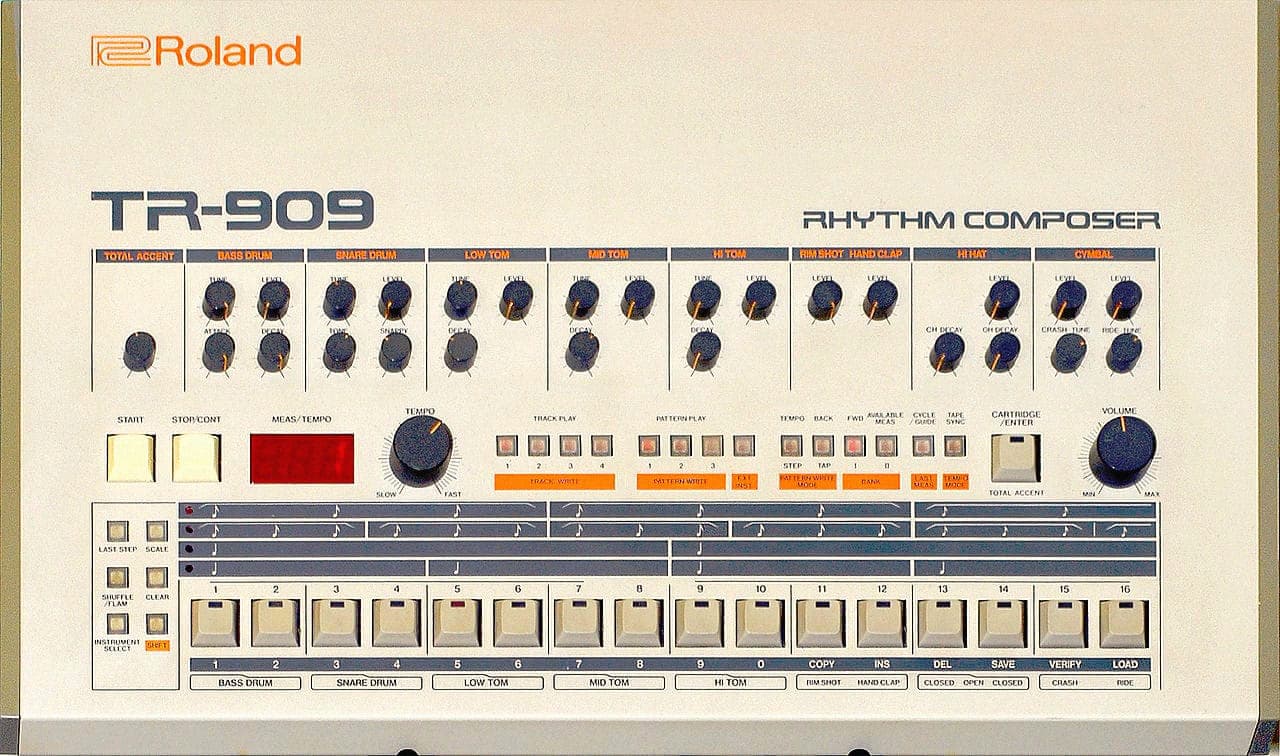
Effectively, yes. “Part of Daft Punk was working with electronic instruments, and it takes so much effort to bring soul to the sound of those synthesisers,” he told Hynes, a view that lines up with what Guy-Manuel de Homem-Christo said publicly about the same sessions at the time: “Synths are a very low level of artificial intelligence, whereas you have a Stradivarius that will live for a thousand years. We knew from the start that there was no way we were going to do this film score with two synthesizers and a drum machine.” The finished score, built mostly on instruments Daft Punk had spent a career avoiding, still earned the group a Grammy nomination for Best Score Soundtrack for Visual Media, its biggest mainstream recognition outside the duo’s own albums.