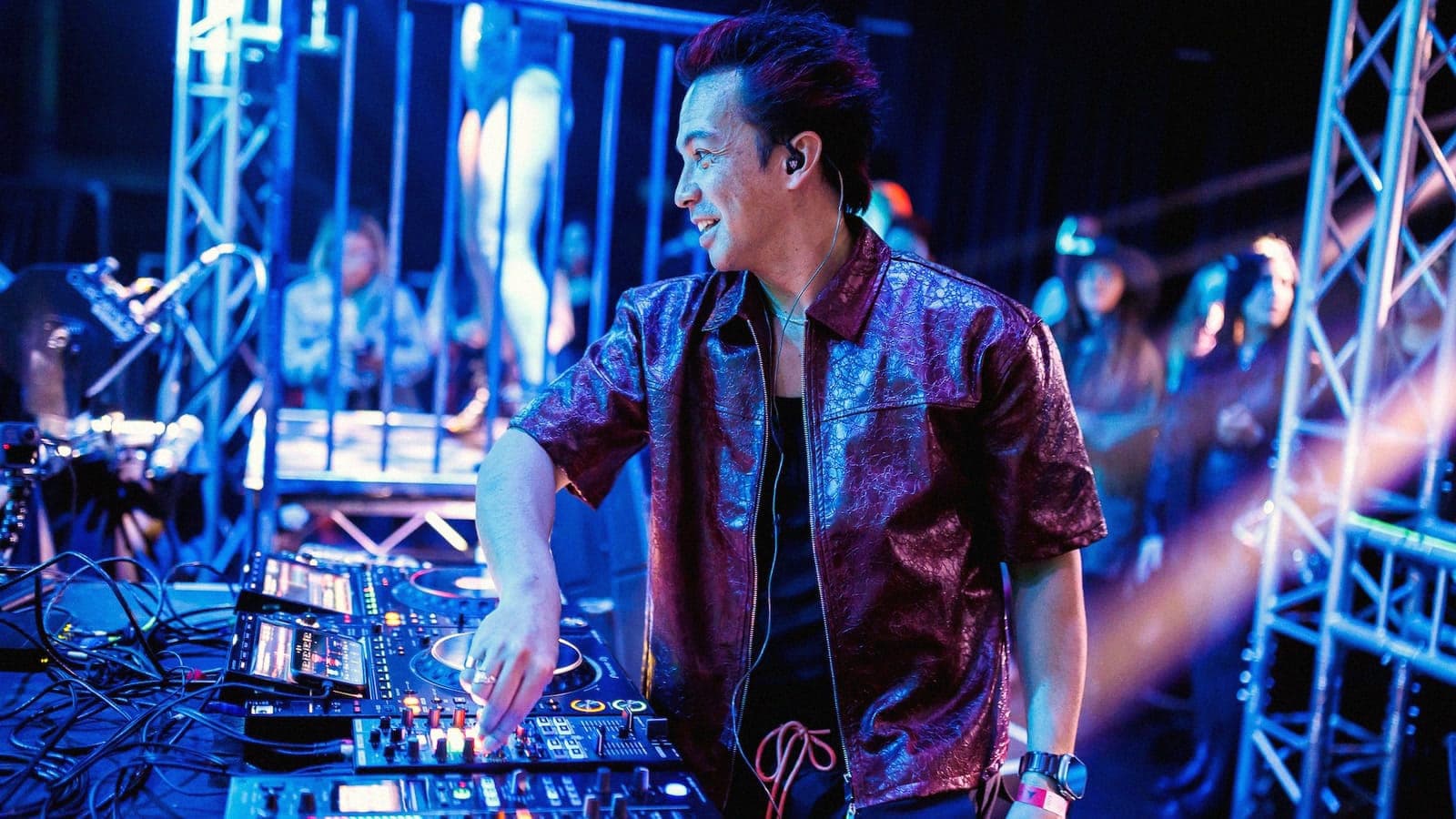
Om Records turned 30 this year, and the most honest thing about the milestone is what the San Francisco label did not do. It did not chase the big-room EDM boom of the 2010s, even as artists who came up on its roster, Kaskade, Claude VonStroke, Justin Martin, rode that exact wave to arenas and festival headline slots. Founder Chris Smith, who records as Shiny Objects, is blunt about why. "There were so many trends that came along that were, in my view, so cheesy," he says. The pivot, he adds, simply was not "in my DNA."
Thirty years and more than 800 releases later, that decision is the story.
What did staying independent actually cost?
Smith and Steve Gray started Om in 1995, in a San Francisco he describes as having "solid club nights seven nights a week." The label built a catalogue across deep house, downtempo and hip-hop: Mark Farina's Mushroom Jazz series, Colette, DJ Heather, J.Boogie. It is a curatorial discography, not a hits machine, and Smith does not romanticise the economics. "Running a label is a very tough business," he has said, "and it can take years to generate enough revenue to support even one person."
He is equally clear-eyed about the format wars he survived. "First it was Napster downloads, then the bottom fell off the CD market and nobody was buying vinyl anymore," he says. "We weathered them all, but it was challenging."
Why does an 800-release catalogue struggle in the streaming era?
Here is the quieter cost. Smith notes that label catalogues like Om's were "largely left behind in the artist-centric streaming era." Playlists and algorithms route attention to artists and to the new, not to a 30-year-old independent's back catalogue. A label that built its value on deep, curated archives finds that archive worth less in a system that does not surface it.
Surviving Napster, the CD collapse and the vinyl slump was the easy part. The streaming era's quiet sidelining of the catalogue is the hard one.
How is Om marking 30?
With physicality and a hometown party, not a streaming push. The label released an 18-track compilation, "Om Records, 30 Years," on 8 May 2026, gathering Kaskade, Mark Farina, Colette, Groove Armada, Samantha James, Homero Espinosa and more. The next day it threw a free day party at San Francisco's Embarcadero Plaza, which drew more than 6,000 RSVPs, followed by a night show at The Great Northern, then an LA date at Jungle Hollywood on 16 May. Free, in public, in the city that made it: a fitting way for a label to mark three decades of doing it the unprofitable way on purpose.